
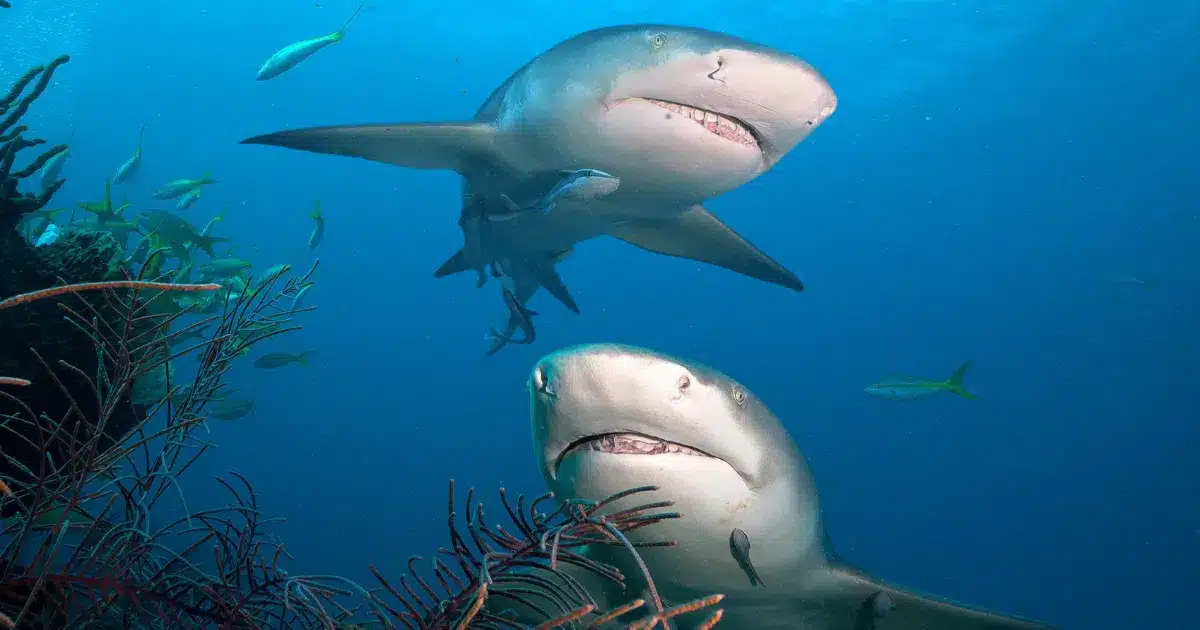
Deep beneath the surface, within hidden chambers of stone, remains of two giant prehistoric sharks have come to light after being sealed away for approximately 325 million years. These extraordinary fossils—one found in the renowned Mammoth Cave system in Kentucky and the other in a secluded cave in Alabama—offer rare insight into an era when colossal predators dominated ancient coastal seas.
The discovery has taken the paleontology world by storm and ignited curiosity among all fascinated by what secrets lie under the earth. Thanks to unique geological conditions, these fossils are astonishingly well-preserved, providing a vivid window into a lost world where powerful marine hunters roamed underwater forests and reefs long before dinosaurs ever existed.
How did the fossils remain so exceptionally preserved?
The key to the remarkable state of these fossils lies in their unlikely resting places: deep limestone caves. Both Mammoth Cave in Kentucky and the cavern in Alabama presented ideal environments that essentially paused time for millions of years. In these protected spaces, the usual damage that erases traces of ancient life was avoided.
Within these subterranean worlds, constant darkness and humidity above 98%, paired with stable temperatures around 13°C, created prime conditions for slow fossilization. This allowed not only bones and cartilage but even impressions of skin and mineralized organs to endure through eons, escaping the decay and alteration typical elsewhere.
What makes cave environments so protective?
Deprived of sunlight, organic material breaks down at a much slower rate. The lack of temperature swings further shields buried remains from destructive chemical reactions. This stability encourages gradual mineralization, while bacteria and scavengers rarely penetrate such depths, helping preserve delicate features like dorsal spines or even traces of internal organs.
This rare combination of factors arose when an ancient sea retreated during the Carboniferous, leaving marine creatures stranded inland. Over time, layers of fine sediment enveloped them, locking their skeletons away until karstic erosion slowly carved out today’s caves, finally revealing these ancient treasures.
How do these finds compare to typical shark fossils?
In most cases, paleontologists uncover little more than scattered teeth or fragmented bones, since ancient sharks had skeletons mainly composed of cartilage—a material that usually decays rapidly. However, the exceptional environments of Mammoth Cave and the Alabama cavern yielded nearly complete specimens, including detailed anatomical features, rivaling the best-known fossil sites worldwide.
In some instances, researchers have observed mineralized organs, a phenomenon almost unheard of in prehistoric shark discoveries. The scientific value is immense, opening new avenues for research on these ancient giants.
Which species emerged from the depths?
Analysis identified two distinct species that once prowled the shores of the Carboniferous period. Each offers unique insights into survival strategies and dominance beneath prehistoric waves.
Together, these giant sharks shed light on entire ecosystems, revealing shifting food webs, evolutionary innovations, and specialized adaptations developed to thrive in their environment.
Troglocladodus trimblei: the agile ctenacanth hunter
One of the stars of this discovery is Troglocladodus trimblei, a three-meter-long ctenacanth equipped with bifid teeth—sharply split at the tip—to efficiently slice through slippery prey. This anatomy made Troglocladodus a master at catching swift fish and elusive marine animals, likely hunting near shallow reef edges with a blend of stealth and speed.
Distinctive dorsal fin spines, another hallmark, provided both defense against larger predators and extra stability for rapid maneuvers above ancient reefs. Such specialization distinguishes Troglocladodus as a prime example of early predatory adaptation.
Glikmanius careforum: the armored apex predator
In contrast, Glikmanius careforum brought raw power to ancient waters. Reaching up to 3.6 meters, this formidable predator boasted robust jaws filled with strong teeth—traits evident in the fossilized jawbones now under study.
Perhaps its most striking feature was comb-like dorsal spines, believed to serve as weapons and as stabilizers during movement. Discoveries like these deepen understanding of how giant sharks maintained their reign at the top of prehistoric food chains.
What kind of environment hosted these ancient sharks?
Life 325 million years ago was dramatically different from today’s world. During the Carboniferous, vast shallow seas covered parts of what is now North America. Warm waters, dense underwater forests, and expansive reefs created rich habitats teeming with potential prey for these mighty sharks.
Both Troglocladodus and Glikmanius thrived near complex coastlines, feeding on early bony fish, smaller sharks, shellfish, and curious armored amphibians. Fossil evidence reveals these regions were vibrant centers of biodiversity—a true paradise for specialized predators.
- The retreat of an inland sea set the stage for extraordinary preservation.
- Limestone sediments quickly entombed remains as water receded.
- Karst activity later sculpted intricate cave networks over millions of years.
- Stable underground climates allowed for slow, steady fossilization.
Shielded from erosion, scavengers, and chemical breakdown, the remains stayed concealed as continents shifted and mountains formed above. Only recently have explorers and scientists uncovered these relics, still partially clad in fragments of their original “armor.”
These fossils highlight not only rare paths toward preservation but also encourage deeper exploration of how subtle environmental quirks can shape the course of natural history.
What does this discovery mean for paleontology?
Unlocking secrets from the distant past always brings both revelations and new mysteries. Recovering these fossilized sharks from deep within limestone caves provides invaluable glimpses into Carboniferous life and sheds light on evolutionary trends among ancient marine predators.
Findings from Mammoth Cave in Kentucky and the enigmatic Alabama cavern demonstrate just how many surprises nature may still hold. Each new specimen helps reconstruct vanished oceans, revealing details about feeding behavior, environmental changes, and the emergence of future marine giants.
Fossils preserved for over 325 million years remind everyone involved in paleontology that even the darkest corners of the planet may yet conceal pieces of prehistory waiting to be discovered.
Every fresh excavation adds a chapter to this ongoing story, equipping researchers with better tools to imagine worlds otherwise lost forever to time.






3 Responses
That’s a fascinating breakthrough for paleontological research, as well as better understanding of how and when evolution occurs. I greatly enjoyed your article and appreciate your efforts to share this new development. Keep up the amazing work.
Who made these discoveries? Awesome!
I have always been interested in what our earth was like. Thank