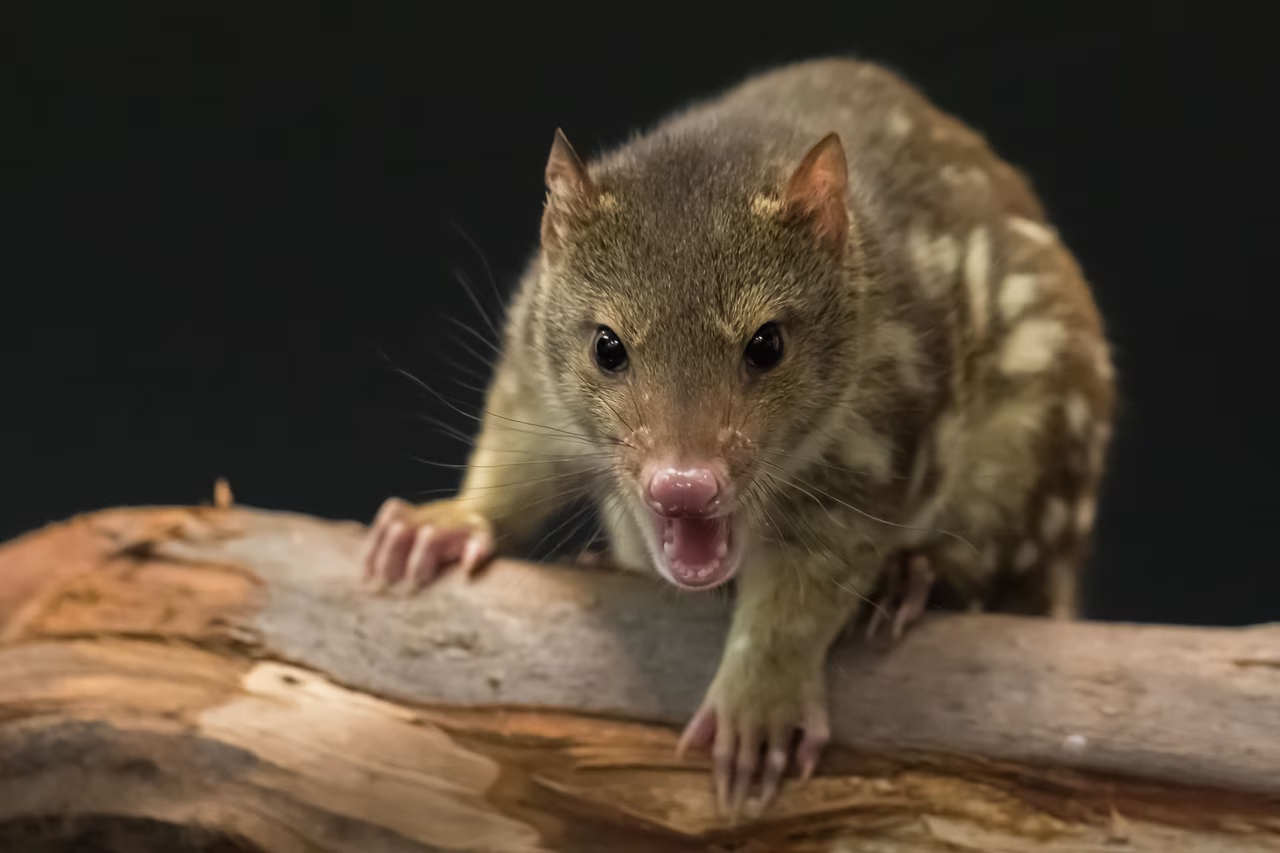
In the dense greenery of northern Australia, news has emerged that few could have anticipated—a forgotten predator has made its return since 1935. The spotlight now shines on Queensland’s wild lands after an unexpected sighting of the northern quoll, an elusive Australian marsupial long believed to be lost from the region. Captured by a camera trap within the isolated sanctuary of Cape York, this event stirs excitement among wildlife conservationists and reignites hope for endangered species across the continent.
What led to the disappearance of this forgotten predator?
Understanding the factors behind the vanishing of such a remarkable animal reveals much about the challenges faced by endangered species in Australia. Once a prominent nocturnal hunter throughout Queensland forests, the northern quoll gradually became a victim of mounting environmental pressures during the twentieth century.
Several threats contributed to this dramatic decline. The arrival of the toxic cane toad devastated native predators, while deforestation and recurring bushfires destroyed crucial habitats. In addition, predation by feral cats placed further strain on already vulnerable populations. Each challenge played a role in the near-disappearance of this iconic Australian marsupial.
Impact of invasive species and habitat loss
The introduction of the cane toad represented a turning point. With highly toxic glands, even minimal contact proved deadly for small carnivores like the northern quoll. Meanwhile, expanding agriculture and urbanization fueled widespread deforestation, rapidly shrinking suitable living spaces for these animals.
Feral cats remain another significant danger. As skilled hunters, they compete directly for prey and sometimes target smaller marsupials themselves. Under this combined pressure, populations of the reappearing predator dwindled until scientists feared it had vanished entirely from large expanses of Queensland.
Bushfires and climate concerns
Frequent bushfires in Australia pose immediate and long-term risks. These fires strip away vegetation, disrupt food webs, and leave little shelter for forest-dependent creatures. Even without fire, rising temperatures and altered rainfall patterns continue to threaten delicate woodland ecosystems.
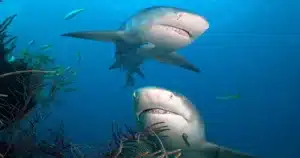
This combination of dangers left vast stretches of wilderness silent, reinforcing the belief that the northern quoll had become yet another casualty of human encroachment into ancient landscapes. Interestingly, similar mysteries surround other prehistoric animals, such as the recent discovery where researchers found remains of two giant prehistoric sharks that emerged after over 300 million years, revealing just how many secrets nature still holds beneath the surface.
How was the Australian marsupial rediscovered in Queensland forests?
For over eighty years, only rumors hinted at the survival of this elusive predator. Everything changed when researchers at Piccaninny Plains, a protected area relatively untouched by modern threats, installed monitoring cameras deep within the sanctuary. After decades without proof, images finally revealed a live specimen—confirming the species’ persistence against all odds.
This rare footage quickly captured the attention of scientists and conservationists alike. Not only did it verify the survival of a presumed-lost animal, but it also sparked renewed hope for other endangered species thought absent from the region. With this breakthrough, research teams began planning efforts to understand how this resilient creature managed to survive amidst so many dangers.
Why Piccaninny Plains became a safe haven
Unlike areas ravaged by hunting or habitat destruction, the protected environment of Piccaninny Plains offered a unique refuge. Strict anti-deforestation policies and careful stewardship allowed natural vegetation to thrive longer than elsewhere. Additionally, targeted controls slowed the advance of invasive cane toads into this sanctuary.
While no place is completely immune to threats, this combination granted the quoll population a rare opportunity to endure. Generations of this forgotten predator remained hidden, avoiding extinction and waiting for the chance to emerge once again.
Increasing research efforts and next steps
Following the rediscovery, scientific teams intensified their efforts. Expanded surveys, additional motion-sensitive cameras, and analysis of traces left by active animals became priorities. Attention now centers on estimating population size, mapping territories, and assessing genetic diversity to determine whether true recovery is possible or if only a small group remains at risk.
Insights gained from studying this resilient marsupial are guiding new strategies in wildlife conservation. Improved monitoring techniques and habitat management offer hope not just for the quoll, but for other threatened species sharing the same fragile ecosystems. Moreover, shifting species dynamics can sometimes introduce unexpected residents into human environments, as illustrated by occurrences like discovering a brown stink bug in the house, which can surprise homeowners with its distinct impact and odor.
What does the future hold for survival and resilience?
This astonishing return demonstrates the unpredictable strength of nature and the importance of dedicated stewardship over vulnerable environments. Many species believed to be extinct may still persist, silently awaiting favorable conditions for resurgence.
Renewed optimism now fuels advocacy and funding for innovative approaches to fauna protection. Engaging local communities in scientific outreach and sustainable landcare lays the groundwork for a brighter future for biodiversity in Queensland and beyond.
- Recent rediscoveries such as the northern quoll highlight the need to maintain habitat corridors and prevent further fragmentation of forests.
- Adaptive management responds to climate shifts and episodic threats, providing endangered populations with opportunities for recovery.
- Collaboration between scientific, governmental, and indigenous groups combines traditional knowledge and modern innovation for better results.
The haunting presence of this reappearing predator in Queensland’s forests proves that Australia’s wild heart continues to surprise and inspire. Every new observation strengthens the commitment to a richer, more balanced coexistence between humanity and the extraordinary inhabitants of the Australian bush.