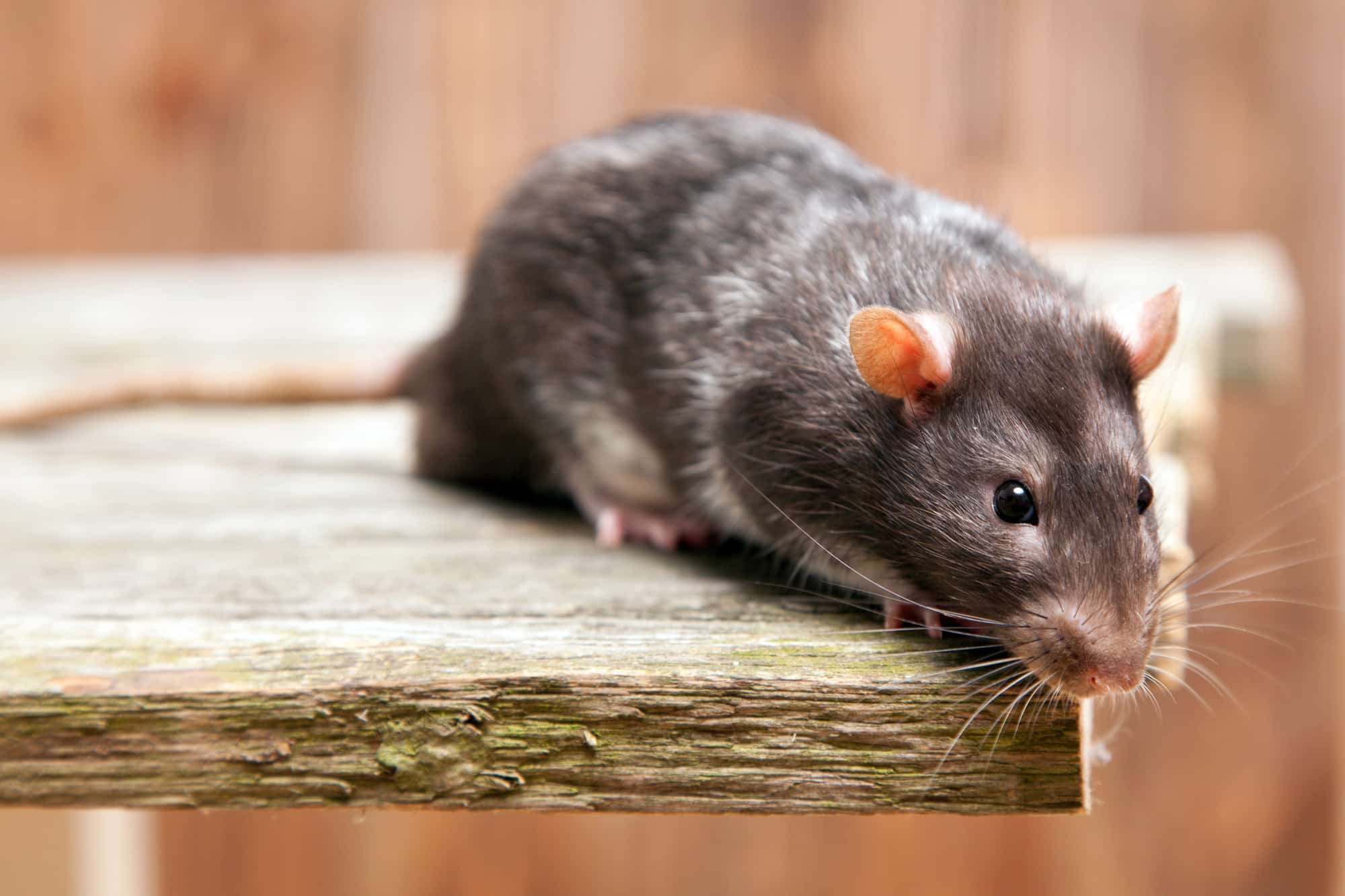
Rats and mice often become unwelcome guests in homes and gardens. Many individuals prefer avoiding harsh chemicals or toxic solutions, turning instead to natural rodent repellents. Among these, sage as a rodent repellent stands out for its strong aroma and accessibility. But what makes sage effective, and how can it be used efficiently to keep rodents at bay? Here is what anyone interested in aromatic herbs for rodent control should consider.
Why choose sage as a rodent repellent?
Before resorting to traps or poisons, many seek out herbs known for their intense scents as practical alternatives. Sage belongs to the category of strong-smelling herbs, which disrupts rodents’ sense of smell, making it difficult for them to feel comfortable or find food sources.
For those seeking garden protection from rodents, planting sage outdoors offers dual benefits. Not only does it enhance the landscape and attract pollinators, but its pungent scent also discourages small mammals like mice and rats from settling in the area.
How does sage act as a deterrent for rodents?
Rodents rely heavily on their sensitive noses for survival. Any scent that confuses or overwhelms this sense tends to drive them away. Fresh sage as a deterrent releases essential oils when bruised or crushed, forming an invisible barrier that many rodents avoid. Dried sage as a deterrent remains effective thanks to its persistent aroma, even after long periods.
Strategically placing sage leaves near entry points, garages, or beneath decks leverages these natural defense mechanisms. For indoor use of sage, scattering leaves around pantries or storage areas helps deter rodents without introducing harmful substances into living spaces.
How can sage be used to keep rats and mice away?
Using fresh and dried sage effectively
Both fresh and dried sage serve as powerful deterrents against unwanted visitors. Whole sage leaves can be scattered inside cupboards, behind appliances, and along baseboards. Outdoors, layering dried sage around fence lines or near susceptible plants offers extra protection. Bruising fresh leaves intensifies their scent, further boosting their repellent effect. Regularly replacing the leaves—especially after rain or several days indoors—ensures ongoing potency.
Some gardeners opt to plant sage directly in flower beds or containers, combining it with other aromatic herbs for rodent control. Pairing sage with mint, rosemary, or lavender magnifies the effect, transforming gardens into robust barriers against rodents.
Preparing simple sage-based repellents
A bit of creativity enhances sage’s effectiveness. Sachets filled with dried sage work well when placed in spots where rodents have been seen. Another method involves boiling sage leaves in water, then using the cooled infusion in a spray bottle. Spritzing this solution along windowsills and entrances increases overall protection.
Essential oils, including clary sage, take things further. A few drops added to cotton balls or diluted in water provide a potent shield against pests. It is important not to overuse moisture, as too much may cause mold or mildew in enclosed spaces.
Integrating sage with other aromatic herbs for rodent control
While sage is effective on its own, pairing it with other strong-smelling herbs boosts results for garden protection from rodents. Surrounding beds with plants such as basil, thyme, or bay leaf creates additional hurdles for pests searching for shelter.
This strategy fits easily within various landscaping plans. Those attentive to aesthetics will appreciate how sage complements companion herbs, adding visual appeal and culinary value while strengthening pest control measures.
- Plant sage alongside rosemary around vegetable gardens for continuous defense.
- Combine fresh and dried sage in pouches to protect kitchens, sheds, or attics.
- Brew herbal teas with clary sage and peppermint leaves for homemade spray repellents.
- Incorporate chopped sage into mulch near compost bins to discourage scavenging rodents.
Tips for safe and efficient indoor use of sage
Bringing sage indoors provides peace of mind by eliminating the dangers associated with chemical poisons. Place sage sachets or bundles where children and pets cannot reach them, since some animals may react to concentrated herbs.
Vacuum regularly in rooms treated with dried sage to remove stray leaves or fragments and maintain air quality. When utilizing any essential oils (including clary sage), use only a few drops at a time and never apply directly to skin or surfaces that come into contact with food.
Benefits and limits of natural rodent repellents
Opting for natural rodent repellents like sage brings valuable advantages, especially for households focused on health and eco-friendliness. Accessibility and affordability make sage-based methods appealing compared to commercial solutions. Using herbal defenses also avoids exposure to potentially hazardous ingredients found in synthetic pesticides.
However, repeated application is necessary, as cleaning, ventilation, and weather gradually reduce effectiveness. In cases of severe infestations, natural remedies alone may not suffice. Combining prevention tactics—such as sealing entry points, maintaining cleanliness, and scheduling professional inspections—delivers optimal outcomes.
Where does sage fit within broader rodent management strategies?
No universal solution exists for every rodent issue, but sage consistently features in discussions about humane approaches. Its success grows when integrated into comprehensive plans that include exclusion barriers, regular cleaning, and limiting accessible food supplies.
Whether the aim is to prevent burrows in the backyard or protect kitchen shelves, investing in strong-smelling herbs like sage adds another layer of security. The mere presence of these aromas can significantly reduce rodent activity, offering property owners a reliable tool for peaceful coexistence with nature.