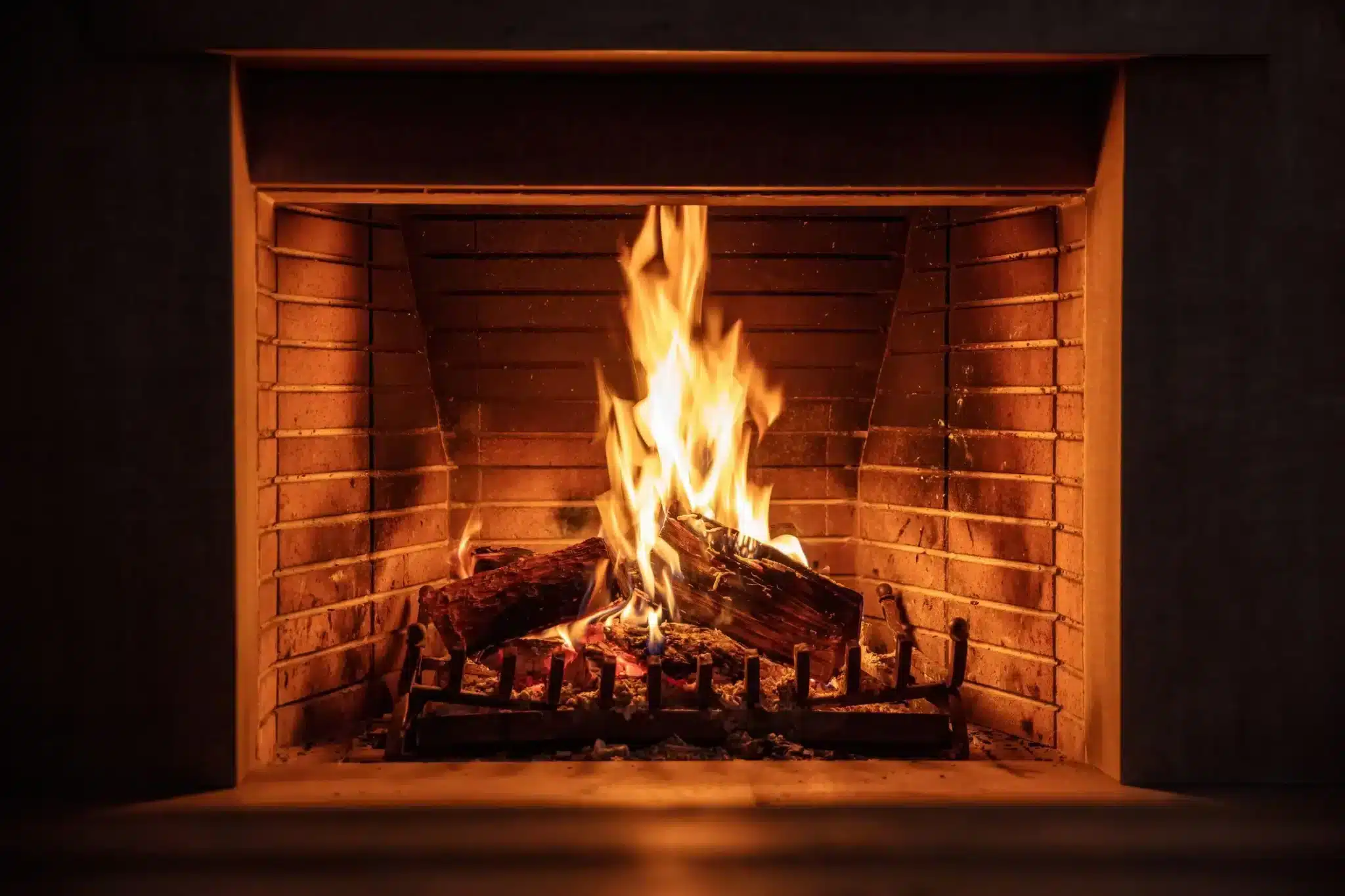
When winter sets in and the cold intensifies, energy bills often soar unexpectedly. Many seek practical solutions to stay warm without straining their finances. An effective approach gaining popularity is free heating using wooden pallets. By reusing and recycling materials that would otherwise end up in landfills, it becomes possible to heat a home while saving money. This technique combines respect for the environment with smart money-saving tips, fitting seamlessly into everyday routines.
Reducing expenses by rethinking fuel sources does not mean sacrificing comfort. On the contrary, discovering alternatives such as burning wood pallets allows efficient heat regulation methods with minimal investment. Pairing free combustible material with proper thermal insulation and practices aimed at reducing heat loss can significantly boost savings and help maintain warmth throughout the year.
Why consider wooden pallets for free heating?
With traditional firewood prices rising each year, many households explore new ways to keep costs down. An often-overlooked resource is the unused wooden pallet, found outside warehouses, construction sites, or stores. These pallets are easily accessible and rarely reused in their original form, offering an excellent opportunity for those willing to invest a little effort.
Free heating becomes a reality when taking advantage of resources others discard. Using wood/pallets as fuel leads to real savings and reduces reliance on conventional suppliers, making energy budgets more predictable even when markets fluctuate.
How to identify safe pallets for burning?
Not every pallet is suitable as a source of heat. Identifying which ones offer safety and comply with health standards ensures clean combustion and protects both residents and the environment.
Understanding markings and treatments
Key markers indicate if a pallet is appropriate: look for stamps like “EUR,” “EPAL,” or “HT”. These guarantee the pallet is made from raw, non-chemically treated wood, sterilized only through high-temperature treatment. It is crucial to avoid pallets marked “MB” (methyl bromide), as these release toxic fumes when burned and are strictly prohibited.
Brightly painted pallets should also be avoided, since the coatings may emit harmful substances during combustion. Always select neutral, unpainted boards with the right official marks for cleaner and safer burning. Additionally, it’s important to be mindful of indoor moisture accumulation, as improper ventilation can lead to condensation issues that reduce the efficiency of any heating method.
Where to find quality pallets?
Many retailers, building sites, and businesses accumulate surplus pallets. A simple inquiry often results in quick access—these materials are usually given away for free and sometimes even appreciated, as they occupy valuable storage space before disposal.
Bringing home wood destined for landfill supports reusing/recycling materials and helps reduce community waste. It is an easy and ethical way to secure free and effective heating supplies.
Steps to transform pallets into home heating fuel
A few essential steps turn discarded pallets into an efficient resource, ready for use in any stove.
Dismantling and cleaning the planks
Begin by carefully dismantling the pallets. All nails, staples, or metal fasteners must be removed to avoid damaging equipment or causing injury. Tools such as hammers and pry bars are particularly useful here, and a magnet can help ensure no stray pieces remain.
Each plank should be inspected—discard any showing mold, paint stains, or chemical residues. Clean, dry timber always delivers better combustion efficiency and safety.
Preparing planks for optimal burning
Once cleaned and sorted, cut the wood to fit the specific fireplace or stove. Uniform sizes stack efficiently and burn evenly. Before use, store the prepared wood in a sheltered, ventilated area for several weeks, allowing it to dry thoroughly and provide steady heat output.
Though pallets burn faster and supply less sustained warmth than hardwoods like oak or beech, they ignite quickly, making them perfect for starting fires or heating smaller spaces. Their effectiveness as kindling is unmatched, especially considering the cost: absolutely free.
Maximizing savings with additional daily habits
Combining pallet burning with other practical daily tips maximizes its impact. Wise choices about insulation and everyday routines help heat linger longer and further reduce bills.
Improving thermal insulation and reducing heat loss
Simple upgrades such as sealing windows and doors against drafts prevent precious warmth from escaping. Spring and autumn are ideal times to check caulking, repair worn seals, and hang thick curtains to create extra barriers at night. Even placing a rug on bare floors traps heat within living areas.
Some install reflective panels behind radiators or stoves to direct more radiant warmth into frequently used rooms. Regular ventilation, achieved by opening windows briefly rather than leaving them open, maintains air quality without significant heat loss.
Regulating heat throughout the home
Closing off unused rooms keeps warmth concentrated where it is needed most. Doors serve as simple climate zoning tools inside the house. Some individuals use fans or gentle circulators to distribute hot air evenly, preventing cold spots after dark.
Wearing layers indoors allows lower thermostat settings for extended periods. Occasional movement, small blankets, and shared meals contribute surprising amounts of supplementary warmth—without impacting the energy bill.
Practical precautions for environmentally friendly burning
Burning untreated pallets aligns with strong environmental values, especially compared to sending usable wood to landfills. However, following certain guidelines ensures clean combustion and responsible ash management.
Always consult local regulations regarding smoke production and emissions from wood-burning appliances. Some municipalities restrict specific fuels or require certified stoves. Collect cooled ashes regularly and reuse them as fertilizer for garden beds, closing another recycling loop and minimizing landfill waste.
- Never include chemically treated or brightly coated wood in the pile.
- Ensure all wood is thoroughly dried before burning for cleaner flames.
- Dispose of leftover nails and fragments in city metal recycling bins.
- Limit pallet use to starting fires or supplementing—reserve premium logs for peak winter needs.
Other alternative heating solutions to combine with pallet use
While burning pallets provides substantial relief for the energy budget, combining multiple strategies brings even greater comfort. Households experiment with solar air collectors, thermal curtains, and strategic furniture placement to make the most of every degree generated indoors.
Regularly checking building insulation prevents attics or basements from siphoning away warmth. Some insulate water pipes or wrap heaters, reducing losses from the core infrastructure. Altogether, these measures ensure that every piece of free fuel—whether found in a neighbor’s crate or a hardware store lot—is put to optimal use.