
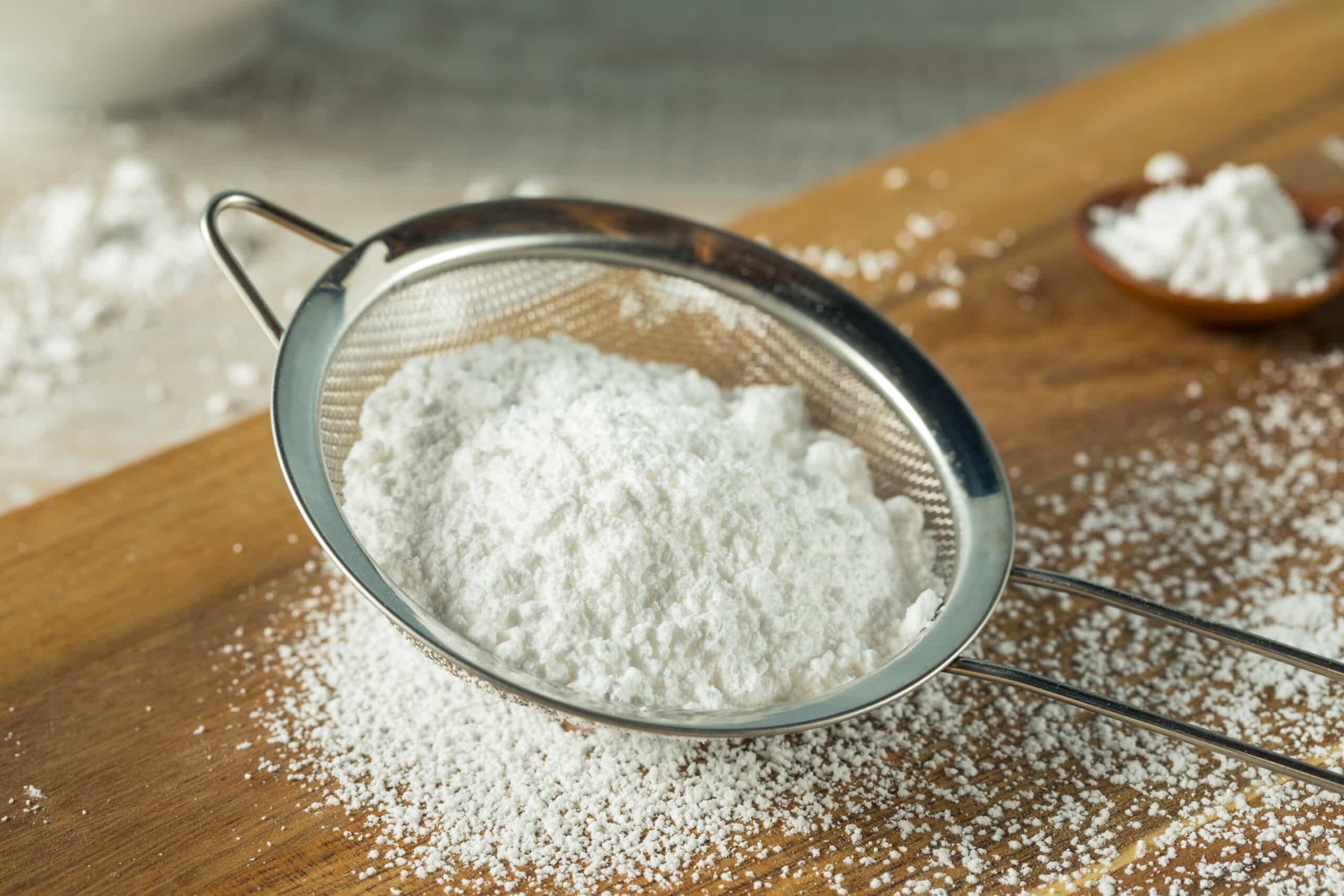
Icing sugar—also known as powdered sugar or confectioners’ sugar—is an essential ingredient for countless baking recipes. When preparing to frost a cake or create a batch of cookies, understanding how many cups are in a pound of icing sugar can save both time and guesswork. However, this measurement is not always straightforward, since it depends on factors like whether the sugar is sifted or unsifted.
Understanding icing sugar: weight to volume conversion
Icing sugar stands apart from regular granulated sugar because of its exceptionally fine texture and the addition of cornstarch to prevent clumping. This delicate composition makes weight to volume conversion less predictable. While kitchen scales measure ingredients by weight (such as pounds or grams), most recipes list quantities in cups—a standard estimate that simplifies preparation but can introduce some variability. Bridging this difference helps ensure consistency and accuracy in baked goods every time.
There is frequent uncertainty about exactly how many cups are present in one pound of icing sugar. The answer varies, as measurement varies by conditions like humidity, storage, and especially whether the sugar has been sifted. Sifting introduces air into the sugar, leading to a lighter cup that weighs less than densely packed, unsifted sugar.
Sifted vs unsifted measurement: why it matters?
Precise measurement of dry ingredients plays a significant role in the success of baked treats. With icing sugar, sifting before measuring changes its overall volume, which means the amount per cup will differ if taken directly from the bag compared to after sifting.
This distinction between sifted vs unsifted measurement may appear minor, yet it can influence the texture and sweetness of icings or batters. For those seeking consistently smooth and delicious results, recognizing this subtlety becomes quite valuable.
How does unsifted icing sugar measure by the cup?
When icing sugar is spooned straight from the package and measured without sifting, one pound equals approximately 3 1/2 to 4 cups per pound. This is widely considered the standard estimate, particularly when recipes do not specify sifting.
The range exists because icing sugar compresses during storage and transportation. If packed too tightly, the resulting cup will be denser, so gently scooping and leveling offers more reliable results for home bakers.
What about sifted icing sugar?
After passing through a sifter, icing sugar becomes fluffy and aerated. In this form, a pound typically yields 4 1/2 cups sifted per pound. Some sources may round this number down, but in practice, expect at least four cups if a recipe specifically requests sifted sugar.
Sifting helps incorporate the sugar more smoothly into icings and batters, reducing lumps and creating a finer texture for professional-looking finishes. If you’re interested in expanding your culinary skills, there are numerous resources online that cover techniques such as cooking ham, beans, meatballs, or sausage, which you can find among practical food preparation guides.
Comparing common equivalents: 4 cups per pound and more
Converting pounds to cups for icing sugar is especially common with older or international recipes. The wide variety of suggested equivalences shows just how adaptable this measurement can be across different sources.
Most guides offer similar advice, generally falling within these estimates:
- Unsifted icing sugar: 3.75 to 4 cups per pound
- Sifted icing sugar: 4 1/2 cups sifted per pound
- General rule for quick reference: 4 cups per pound serves as a helpful average
This guideline allows for easy planning when making buttercreams, glazes, or dusting pastries, minimizing the risk of running out mid-recipe.
It is important to note that icing sugar equals powdered sugar, and powdered sugar equals confectioners’ sugar; all three names refer to the same product. Measurement and outcomes remain consistent regardless of terminology.
Factors influencing how many cups per pound
Even starting with the same one-pound bag, no two kitchens will produce identical cup measurements. While the four cups per pound rule works well as a general guide, several factors can impact actual results.
Humidity, for example, may cause icing sugar to clump and become heavier, while dry air keeps it light and powdery. The method used—whether scooping, spooning, or lightly tapping—also affects the final quantity. For best accuracy, it is advisable to spoon the sugar loosely into the cup and level off the top without packing it down.
Can measuring tools create differences?
Using a kitchen scale removes ambiguity by relying on weight instead of volume. A pound remains constant, regardless of sifting or environmental conditions. Despite this, many home cooks prefer using cups for convenience, which can lead to slight inconsistencies.
Standard U.S. measuring cups are designed for liquid ounces, adding another layer of complexity when dealing with fine powders. Sticking to the same set of measuring cups and keeping the technique consistent ensures reliable results every time.
Why reference multiple conversions?
Some recipe books and online resources cite everything from 3 1/2 to 4 cups per pound to 4 1/2 cups sifted per pound. Consulting multiple reputable sources can help set realistic expectations for specific needs, such as piping thick frosting or making fondant. Personal preferences might lean toward slightly more sugar for density or less for a milder sweetness.
Adapting the conversion based on the project—from dusting doughnuts to constructing elaborate decorations—offers flexibility and control. Considering these variations ensures successful, sweet creations without surprises along the way.
Takeaway tips for precise icing sugar measurement
When determining how many cups are in a pound of icing sugar, keep in mind the key factors: sifted versus unsifted, typical kitchen conditions, and the fact that icing sugar equals powdered sugar or confectioners’ sugar for all recipes. With experience, measuring the right quantity for frosting or dough becomes second nature.
For quick reference, here are some practical rules:
- Use 4 cups per pound for general baking purposes
- Expect 3.75 to 4 cups per pound unsifted, or up to 4 1/2 cups sifted per pound
- Spoon sugar into the cup and level carefully; avoid packing
- Weigh for maximum precision whenever possible
With these reliable benchmarks, decorating cupcakes or sweetening pastries starts with confidence in achieving the perfect proportions every time.