
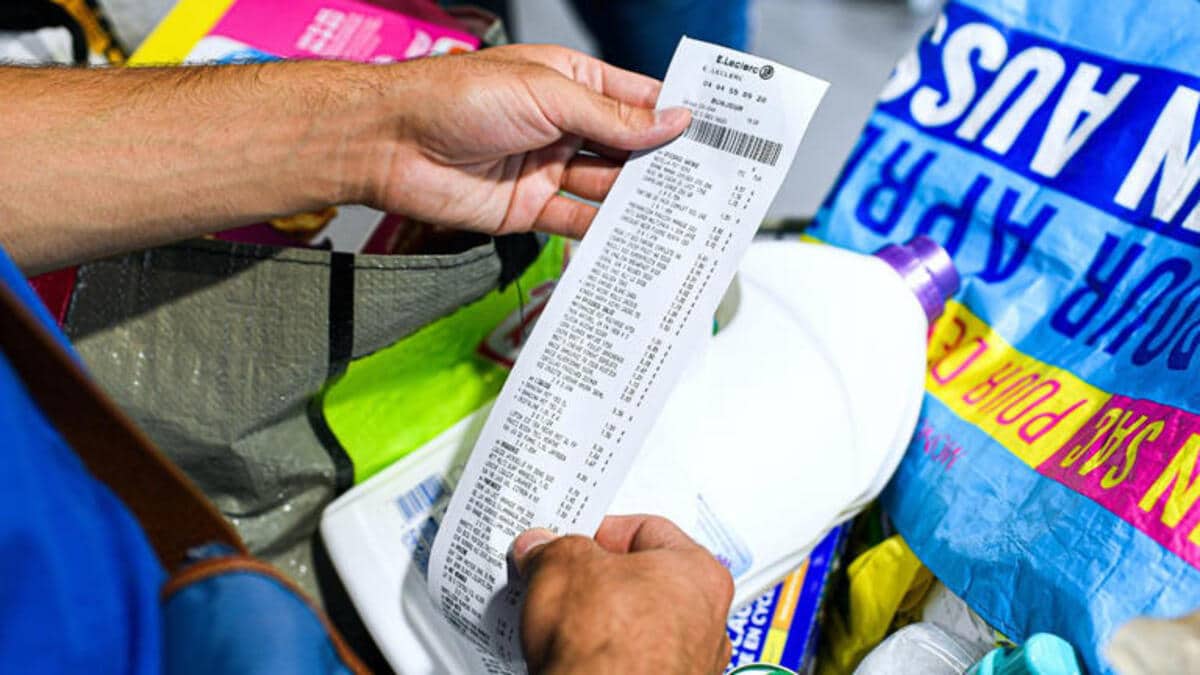
In Montpellier, a supermarket became the scene of an astonishing supermarket scam, where a couple managed to pay only twelve cents for almost 1,000 euros worth of goods. This daring operation was made possible thanks to the inside help of a young cashier, who also happened to be romantically involved with one of the fraudsters. The case highlights how even closely monitored retail environments can fall victim to cleverly executed scams involving cashier complicity.
How did the supermarket scam unfold?
The details of this theft/fraud quickly caught public attention. Over several weeks, the couple took advantage of their scheme, returning repeatedly to the same store. Their plan was both simple and effective, demonstrating just how vulnerable some checkout systems remain when staff members become accomplices.
Central to the plot was the romantic relationship between the cashier and her partner. This allowed for seamless coordination at the register. Each time, the shopper filled his cart with high-value items—such as alcohol, video games, and household appliances—while the cashier’s role was to ensure that only the plastic bag was scanned, bypassing all other merchandise.
The stratagem behind the undercharging at checkout
The core of the scam rested on scanning only the plastic bag during each visit. While the man loaded the belt with expensive products, the cashier deliberately ignored them, ensuring that only the minimal cost of the bag appeared on the receipt. As a result, they left with hundreds of euros in goods after paying just 12 cents—a stark example of large value groceries for minimal payment.
This strategy required total trust and discretion between the accomplices. By acting like regular customers and blending into the daily flow of shoppers, they managed to avoid suspicion for weeks
Multiple accomplices inside the supermarket
Further investigation revealed the involvement of a third participant: a security guard. His role was crucial; he would demagnetize high-value goods so alarms would not sound at the exit. He also neglected to check receipts, making it easy for the couple to leave without attracting attention—even with carts full of unscanned goods.
With distinct but coordinated roles, these insiders formed an organized group, turning a simple act of theft into a well-prepared operation that exploited weaknesses within the store’s own system. In addition to traditional product-related scams, many stores also encounter issues in areas typically regarded as routine. For example, food retailers may need to review even basic procedures, from checkout practices to how long essential food items like beans take to cook efficiently, as inefficiencies or shortcuts can sometimes lead to further process vulnerabilities that dishonest employees might exploit.
Discovery and arrest of the fraudsters
Despite their careful planning, the scam eventually unraveled. On June 21, staff noticed irregularities during the couple’s latest transaction. The mismatch between the sheer volume of items and the tiny sum paid raised immediate suspicions.
Store management promptly reviewed surveillance footage and recent sales records. Confronted with clear inconsistencies, the couple was arrested right after checkout. The cashier soon admitted her close ties to the main perpetrator and confessed to her direct participation in the scam.
The police investigation uncovers the extent of the scam
Law enforcement acted swiftly, searching the couple’s home and uncovering numerous stolen items, from premium alcohol to electronics and gaming consoles—all still in their original packaging. These findings confirmed the scale of the ongoing thefts.
Investigators questioned both the cashier and the implicated security guard. Surveillance videos and testimonies helped reconstruct the mechanics of the fraud, showing how unscanned goods exited the store week after week thanks to insider cooperation.
- Plastic bag only scanned at every visit
- Demagnetization of products by the security guard
- No ticket verification at exits
- High-value merchandise taken over several weeks
- Couple operated together due to their romantic relationship
Legal consequences and lessons for retailers
Prosecutors have classified the case as organized fraud, citing deliberate planning and shared responsibilities among those involved. The cashier, her partner, and the security guard will face trial on September 11, accused of orchestrating an elaborate scam within the supermarket.
For the retailer, this incident exposes significant vulnerabilities despite advanced anti-fraud measures. The ease with which such sums were lost through undercharging at checkout has prompted a thorough review of internal controls, especially regarding employee access and supervision.
Will similar supermarket scams emerge elsewhere?
Retailers are constantly updating protocols to prevent tactics like those seen in Montpellier. Whether others might attempt to replicate such schemes depends largely on whether stores enforce tighter safeguards at points of sale and exits.
One thing is certain: insider complicity dramatically increases risks for businesses, undermining even the most vigilant anti-theft systems. Regular audits, attentive staff, and robust procedures are essential to prevent similar incidents.
Key takeaways for supermarkets and consumers
While scams of this kind often make headlines for their audacity, they rarely end in success for those involved. Most businesses eventually spot unusual patterns, especially when losses accumulate over time. Detection frequently starts with observant employees willing to question suspicious behavior—even if colleagues are implicated.
For customers, this story serves as a reminder of the importance of integrity in everyday transactions. Trust at the checkout must never become a gateway to fraud. Ultimately, strong systems and honest vigilance remain the best defense against costly supermarket scams.