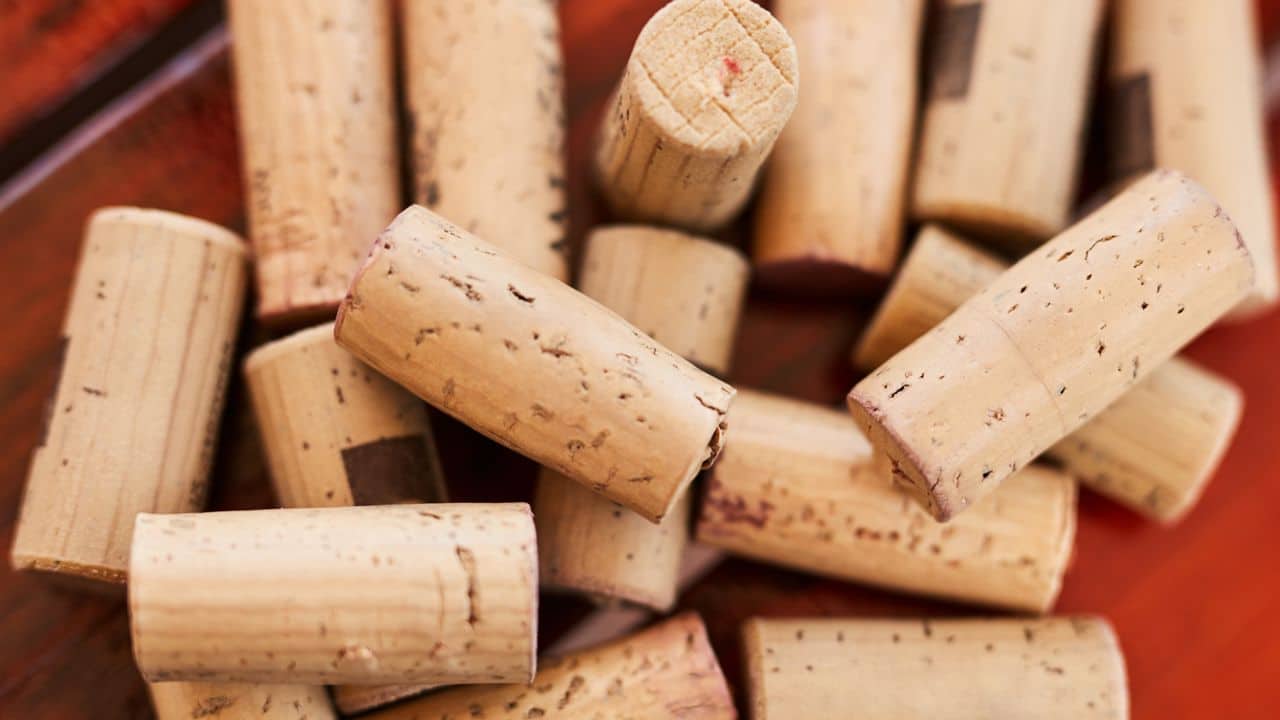
Unused cork stoppers often end up discarded after opening a bottle, yet these small objects offer remarkable benefits for anyone passionate about gardening. As temperatures rise and summer plant care becomes a priority, reusing old corks can truly transform maintenance routines. Many may overlook them, but cork’s unique properties make it an excellent choice for those seeking natural gardening tips focused on moisture control, soil aeration, and even pest management.
Why reuse cork in the garden?
Cork is much more than just a bottle stopper; this natural material possesses qualities that perfectly complement eco-friendly gardening. Its structure allows it to serve several purposes in pots or garden beds—far beyond what standard mulch provides.
With its ability to retain water without becoming saturated, cork ensures effective moisture retention throughout hot spells. Simultaneously, it supports drainage improvement and enhances soil aeration, adapting well whether soils are sandy or heavy with clay. These traits make old corks especially valuable for sustainable gardens aiming for lasting plant health benefits.
How does cork improve growing conditions?
Beneath the soil surface, repurposed corks deliver advantages that might surprise many. Using cork as mulch or mixing pieces into compost and soil layers opens up new possibilities for both potted plants and outdoor beds.
The porous nature of cork allows roots easy access to oxygen while preventing stagnant water—a crucial factor for healthy growth through every season. Integrating chopped cork into substrates helps resolve slow-drying issues, resulting in better-aerated root systems and more vigorous flowering or fruiting during critical periods.
Moisture regulation in summer
As mid-year heat intensifies, maintaining adequate soil moisture becomes challenging. Cork chips, whether layered above or mixed into potting blends, help regulate humidity levels where traditional mulches sometimes fall short. Each piece of cork contains tiny air pockets, slowly releasing both air and water to the surrounding soil. This gradual process means plants experience less risk of drying out between waterings.
A layer of cork also reduces evaporation, shielding delicate seedlings and mature perennials alike from sudden temperature changes. These extra degrees of protection make all the difference when every drop counts during extended dry periods.
Thermal and weed control properties
Beyond irrigation, managing heat and weeds is essential in summer plant care. By forming a barrier of shredded cork around stems, two goals are achieved at once. The insulation provided by cork buffers root zones against scorching sun or unexpected chills, stabilizing daily temperature swings that otherwise stress sensitive species.
Applied thickly, cork mulch blocks persistent weeds. New shoots struggle to penetrate, reducing the need for chemical herbicides. This creates a cleaner, healthier bed where desired plants thrive, free from excessive competition for nutrients and space.
Practical steps for adding cork to gardens
Incorporating cork into the landscape is straightforward and requires no special expertise. Begin by collecting used cork stoppers and washing off any residue. Break them down by hand or use a sharp knife to achieve manageable sizes that blend easily with other materials. Spread generously at the base of favorite pots or evenly across flowerbeds for optimal results.
Corks adapt effortlessly to both indoor containers and expansive outdoor borders. The main objective remains clear: maximize drainage improvement while supporting soil structure beneath thriving foliage. Over time, the biodegradable nature of cork gently enriches the surrounding earth.
- Chop corks into halves or quarters for faster decomposition and easier mixing.
- Scatter chipped cork at the bottom of pots before adding main soil layers for better drainage.
- Work pieces directly into heavy clay or compacted soils to enhance ventilation and reduce compaction.
- Layer cork mulch around plant bases after planting to suppress weeds and maintain ground moisture.
- Top up regularly each season to extend protective effects and minimize plastic waste.
Environmental and plant health benefits
Adopting cork-based techniques demonstrates a commitment to reuse and recycling valued by today’s gardeners. While discarded stoppers take years to break down in landfills, bits returned to the garden decompose harmlessly, leaving no synthetic traces behind.
This method not only cuts down on waste but also reduces reliance on commercial additives and artificial mulches. The result is wider plant health benefits, whether working with vegetables or ornamentals that appreciate a nutrient-rich, lively environment.
Nutrient contribution and soil balance
As cork decomposes, it releases trace minerals that support ongoing plant vitality. Though not a replacement for primary fertilizers, this steady breakdown nourishes vital microorganisms, promoting balanced soil functions and robust root interactions.
Such ongoing enrichment strengthens resilience, helping greenery face challenges like drought or heavy rain. This adaptability stands out, especially for those committed to sustainable gardening—from compost practices to container design.
Pest repellent action of cork
Many gardeners struggle with slugs and snails in summer. Fortunately, the rough texture of cork acts as a natural deterrent, keeping unwanted pests away without chemicals. When used as a border or mixed within mulch, cork forms an abrasive barrier that discourages mollusks.
This simple trick minimizes crop loss and improves overall garden health, requiring less manual intervention and allowing flowers and crops to reach full maturity undisturbed by common pests.
Adapting gardening habits for a greener future
Every recycled cork added to garden beds reflects a mindful approach to resource management. Small actions add up, leading to significant ecological benefits over time. Saving, chopping, and redistributing old cork is one of the simplest—and most rewarding—steps toward advancing eco-friendly gardening goals.
Anyone seeking innovative, low-cost, and chemical-free solutions will find cork integration fits seamlessly into established routines. Whether tackling drainage problems, implementing creative weed prevention, or simply choosing more sustainable methods, cork’s versatility is ready to meet the demands of the coming summer.