For years, ivy was often dismissed as just another invasive plant that clung stubbornly to fences and facades. However, recent research has dramatically changed this view. Today, many urban planners recognize that ivy offers impressive natural thermal insulation for buildings. This transformation in perception is largely due to two scientific studies highlighting the powerful role of vegetation on buildings in regulating temperature and boosting energy efficiency.
Why does ivy work so well as a building insulator?
The capacity of ivy to help control wall temperatures is drawing increasing attention within urban ecology. Unlike artificial insulators needing industrial production and frequent replacement, ivy delivers lasting, natural benefits, provided it is managed with care.
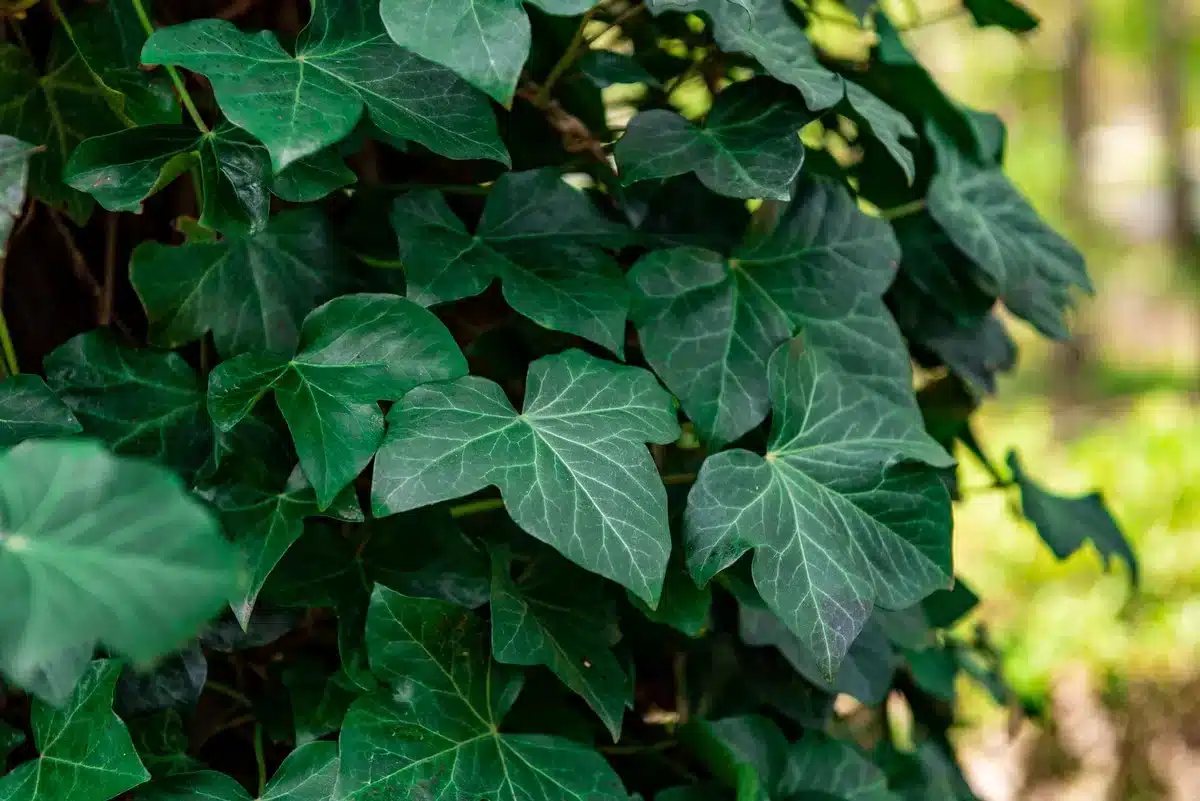
Within green infrastructure strategies, ivy stands out thanks to its dense foliage and evergreen presence. These qualities enable it to act as a living barrier directly over exterior walls, reducing the impact of extreme weather on the materials beneath and supporting more stable indoor climates.
What do studies say about ivy’s insulating potential?
Interest in how plants affect building insulation has grown rapidly, especially concerning species sometimes labeled as invasive. Ivy, long misunderstood, now demonstrates value far beyond its decorative appeal or reputation for rapid growth.
Two key studies have brought valuable data to light, helping urban planning professionals better understand the practical benefits of ivy on city buildings.
The 2014 Manchester study: more comfort in winter?
A landmark study at the University of Manchester in 2014 focused on how ivy affects cold-weather performance. By planting thick ivy on north-facing walls—those most exposed to wind and low sunlight—researchers observed subtle but meaningful changes during winter.
The results showed that ivy’s dense coverage allowed walls to maintain slightly higher average temperatures throughout the cold season. Specifically, energy loss dropped by 8% compared to bare walls. For anyone seeking improved energy efficiency, even such modest reductions mean lower heating costs and greater indoor comfort—all without synthetic materials or major renovations.
A 2023 study: blocking airflow and radiant cooling
Nearly a decade later, a 2023 European study expanded these findings. Researchers examined how ivy influences not only direct heat flow through walls but also other types of heat loss. Facades covered with ivy experienced significantly reduced airspeed near their surfaces, acting like a shield against drafts and wind chill.
Most notably, the combination of slowing convective air movement and limiting thermal radiation led to total heat loss reductions of up to 57% in some scenarios. In short, ivy does more than offer an extra layer; it transforms how walls interact thermally with their environment.
How does ivy compare with traditional insulation materials?
Standard building insulation materials—such as mineral wool, foam boards, or fiberglass—are effective, but each raises sustainability questions. While reliable, these solutions rarely contribute to biodiversity or enhance local climate resilience.
As part of green infrastructure, ivy helps cities advance sustainable urban planning goals. Unlike conventional insulation, which becomes waste after decades, healthy vegetation attracts birds and insects, filters dust, and creates pleasant microclimates around homes and offices.
- Ivy offers persistent shade and protection all year long.
- No need for specialized installation—just attentive gardening.
- Mature ivy supports air quality and boosts biodiversity.
- Unlike polystyrene or foams, ivy naturally regenerates and avoids adding to landfill waste.
Still, it is important to note that ivy is unlikely to fully replace standard insulators everywhere. Many experts recommend combining living walls with classic insulation to maximize ecological and functional advantages.
Are there any downsides or limitations to using ivy?
Selecting the right walls is crucial. Ivy is particularly effective on north-facing facades, where retaining warmth matters and exposure to harsh sun is limited. Research shows that in warmer conditions, ivy may trap excess coolness, making it less suitable for every orientation or room type.
Owners of older stone or brickwork should also be cautious. Ivy rootlets can sometimes penetrate weak mortar, potentially worsening existing damage if left unchecked. Nevertheless, with proper monitoring and occasional pruning, these risks are manageable for most modern constructions.
Suitable situations for ivy-based insulation
Northern climates benefit greatly from ivy, especially when retrofitting older apartment blocks or office buildings. Structures with solid, well-maintained exteriors face minimal risk and see substantial rewards when adopting ivy as a green insulation layer.
In densely built urban areas, integrating patches of greenery offers significant value, combating the urban heat island effect and promoting gentler microclimates around concrete-heavy neighborhoods.
When to avoid extensive ivy coverage?
Direct southern exposures, already prone to overheating, gain little from additional leafy coverage. Those aiming to increase passive solar gain or keep interiors bright may prefer to limit ivy use to shadier sides of their buildings.
Protected heritage buildings must also comply with strict regulations before adding permanent plant covers—even though modern science recognizes ivy’s real energy-saving benefits.
Why is ivy becoming popular again in contemporary urban design?
Across Europe and North America, urban planners are exploring ways to incorporate vegetation onto new and existing buildings. The push for greener cities is not just aesthetic—it addresses urgent needs to reduce carbon footprints and build environments resilient to changing climates.
With growing public concern about pollution and biodiversity loss, ivy stands out as an accessible solution. Its dual function as attractive climbing greenery and effective natural insulation aligns perfectly with forward-thinking visions for future communities.
What makes ivy a cost-effective solution for homeowners?
Establishing ivy requires patience, but ongoing maintenance remains minimal compared to regular upgrades needed for manufactured insulation. Early adopters enjoy steady returns, with lower utility bills and potentially increased property values thanks to visually appealing, eco-friendly improvements.
Ivy’s wide availability and adaptability make improved home insulation more accessible. Gardeners, architects, and residents alike appreciate solutions that successfully bridge the gap between nature and architecture.