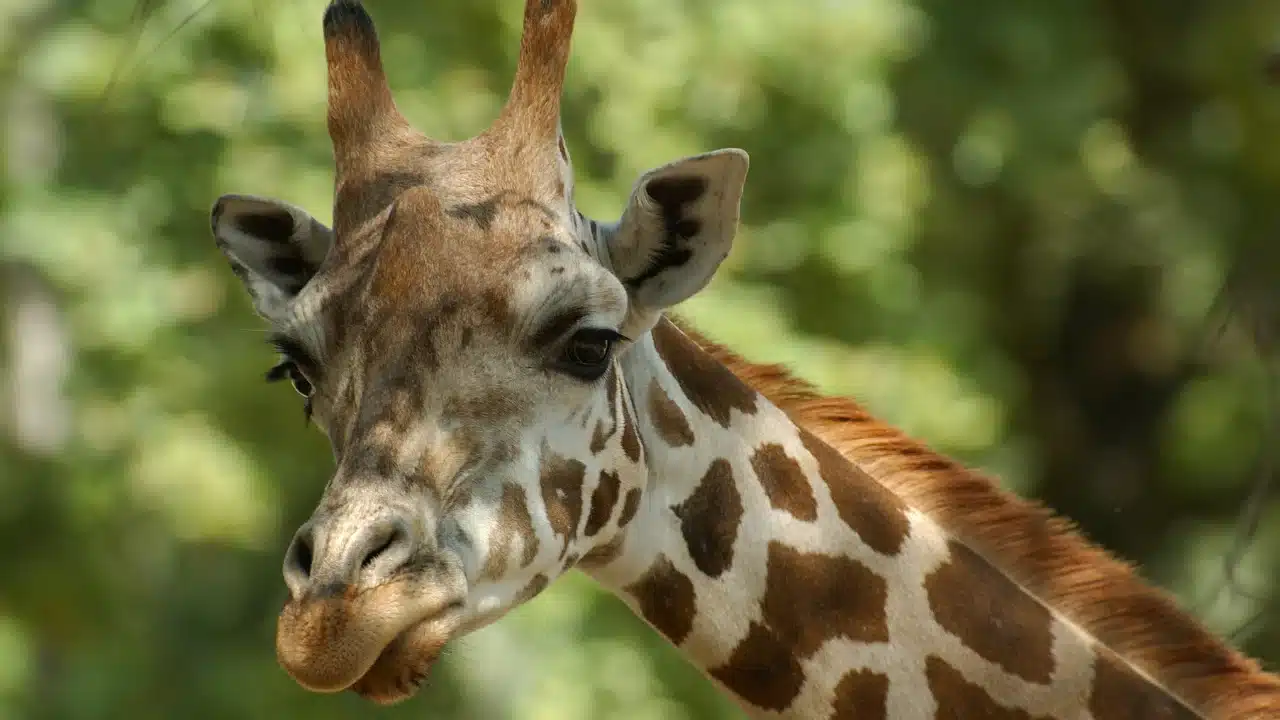
Near Kruger National Park, an extraordinary animal observed with a zigzag-shaped neck deformity is leaving scientists both puzzled and fascinated. This giraffe, photographed in July 2024 by a local blogger, perfectly illustrates how surprising life can be on the savannah. The giraffe with a strange neck stands out among all sightings in South Africa for its uniquely contorted appearance.
This rare encounter goes well beyond simple curiosity. It has triggered important questions about adaptation, survival, and the remarkable resilience of giraffes facing unusual physical challenges. According to experts who have analyzed the photographs, this spectacular shape could be the result of either a severe neck twist (torticollis) or an old fracture that never healed properly. In any case, such a scene offers fresh insights into how a wild animal copes despite adversity—highlighting why every story like this matters for scientific research and conservation efforts.
How was the giraffe discovered?
The discovery took place just outside Kruger National Park, South Africa’s most renowned wildlife reserve. A travel blogger captured the now-famous images while exploring less-traveled paths, where the giraffe appeared almost motionless among acacia trees. These first photos quickly made their way across social media, drawing immediate attention from both visitors and wildlife specialists alike.
This animal observed with such a dramatic anomaly immediately piqued the interest of those passionate about the fascination with wildlife. Reports describe the giraffe as isolated and moving carefully, though there were no visible wounds or signs of acute suffering. Global researchers soon weighed in, eager to compare this case with other documented neck deformities in giraffes worldwide.
What might cause such an unusual neck shape?
Giraffes are known for their long, graceful necks. Witnessing such a marked deviation from the norm naturally raises several scientific questions. Two main theories aim to explain how the giraffe developed this strikingly crooked neck.
Torticollis or an old injury?
Many experts suspect a form of severe torticollis—a condition where muscles contract abnormally or nerves are damaged. While common in domestic animals, it rarely results in such an extreme zigzag shape in wild giraffes. The images clearly show this is more than a minor irregularity; it is a persistent and significant deformation.
Another explanation points towards an ancient fracture. Some veterinarians believe the giraffe may have suffered trauma during youth—a fall or collision with another large animal—which, if healed incorrectly, would permanently alter bone structure. This would account for the unique bend and the awkward posture noted by recent observers.
Could growths or excroissances play a role?
Some specialists have also considered whether head and neck growths (excroissances) might contribute to such abnormalities. Although not seen in this particular case, such growths occasionally occur due to genetic conditions or disease. While unlikely the main factor behind this giraffe’s neck deformity, ongoing observation remains necessary to monitor for secondary symptoms or complications.
Veterinary studies suggest that most chronic deformities stem from trauma or muscle disorders rather than tumors. Nevertheless, further examinations may eventually reveal additional effects related to persistent neck strain or difficulties in feeding.
Why do scientists find this case so intriguing?
Encounters with wild animals displaying visible deformities always attract attention, but this situation stands out for several reasons. The multi-angled zigzag and near immobility exhibited by this giraffe are exceptionally rare, even among previously reported cases.
Unlike earlier reports, this individual’s neck deformity appears far more pronounced and complex. Studying these unusual details provides valuable insight into how giraffes adapt to adversity and the mechanisms of pain tolerance or behavioral compensation within South Africa’s challenging bushveld environment.
- Offers unique perspectives on musculoskeletal disorders affecting large mammals
- Raises questions about altered feeding behavior and social interactions when mobility is impaired
- Highlights gaps in field documentation—few similar cases have been thoroughly tracked over time
What does this tell us about giraffe resilience?
The ability of a wild giraffe to survive with a disabling neck deformity demonstrates exceptional resilience. Observers report that despite its awkward posture, the animal has adapted—changing its stance while grazing and moving with deliberate care through the scrub. Such cases challenge assumptions about disability in nature and reveal unexpected levels of endurance among giraffes.
These stories resonate within the broader field of conservation biology. Documenting individuals overcoming seemingly insurmountable odds inspires greater appreciation for wildlife diversity. Each case also provides crucial data regarding population health and potential threats facing giraffes, both inside and outside reserves like Kruger National Park.
Could studying the giraffe improve conservation approaches?
This rare condition highlights the importance of close observation in protected areas. By investigating incidents such as the giraffe with a strange neck, researchers gain deeper understanding of disease, injury, and stress factors that might otherwise go unnoticed. Lessons learned from these cases help refine intervention strategies and improve outcomes for entire species.
The plight of this giraffe also emphasizes the need for continued public engagement with the wonders—and struggles—of Africa’s wilderness. Stories that capture global attention can fuel support for habitat preservation and species management. Detailed documentation of rare conditions like neck deformity plays a vital part in the bigger effort: protecting both ordinary creatures and extraordinary survivors found only in places like South Africa’s wild heart.