Painting the trunks of fruit trees with a white lime mixture is an age-old yet highly effective practice known as chaulage. This traditional and natural method brings significant benefits for tree protection, disease prevention, and even helps improve harvest quality. Many orchard owners have noticed those distinctive white-coated trunks in gardens and orchards during colder months, but what are the real reasons behind this enduring technique?
A closer look reveals how chaulage operates, when it should be applied, and the tangible advantages it offers to any outdoor space where fruit trees grow.
What is chaulage and how does it work?
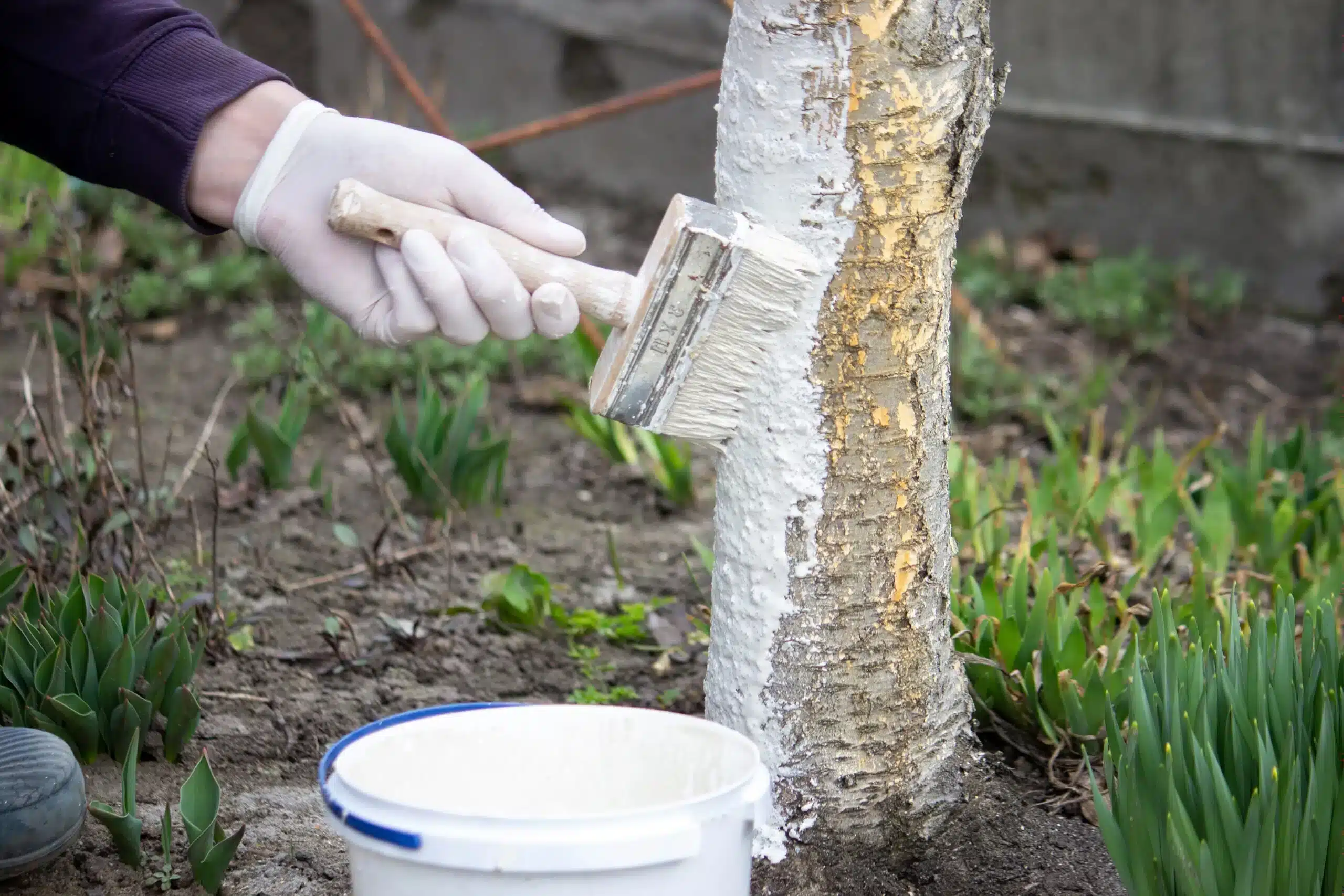
Chaulage involves applying a lime-based coating—often called whitewash—to the lower part of the trunk. The process uses water mixed with different types of lime, such as quicklime or hydrated lime, all derived from limestone. Once spread onto the bark, this solution dries and forms a thin, pale layer that reflects sunlight and deters harmful organisms.
Unlike decorative painting, chaulage serves primarily for disinfection and sanitation. Each application creates a protective barrier on the bark, discouraging insects, preventing fungal growth, and reducing risks associated with winter weather. In essence, this method transforms a vulnerable tree into one that is better shielded against both cold snaps and diseases.
Why should trunks be painted white?
There are several reasons why growers continue to apply lime to fruit trees every year. These benefits directly contribute to the long-term health and productivity of fruit-bearing plants.
Protection against pests and insects
The chalky layer acts as a mechanical shield that many insects—including ants and beetles—find impossible to cross. For those concerned with pest and insect control, this barrier prevents larvae and adults from climbing up the trunk to lay eggs or feed. As access becomes limited, infestations decrease and recurring problems become much less frequent.
Thanks to this preventive measure, the need for chemical treatments also drops, leading to a healthier garden environment that supports wildlife. This aspect of tree protection is particularly attractive for those aiming for organic solutions.
Prevention of fungal and bacterial diseases
Lime’s well-known antifungal properties help stop spores and bacteria before they can establish themselves. Upon contact, the product alters the trunk’s surface environment, making it far less appealing to fungi responsible for issues like cankers or blights. Chaulage therefore works as both a treatment and a preventative action, ensuring continuous disease prevention.
In addition to forming a physical shield, the application of lime or whitewash sanitizes the bark by neutralizing lingering pathogens that may remain after pruning or leaf fall. Especially after signs of disease, this step plays a crucial role in restoring the overall health of the orchard.
How does chaulage protect against environmental hazards?
Fruit trees encounter many challenges between autumn and spring, including rapid temperature swings, intense sunlight, frost, and unpredictable weather patterns. All these factors can damage bark and internal tissues if left unchecked.
Cold and frost protection
The white-painted bark reflects the sun’s rays, preventing excessive heat absorption during the day. By avoiding local overheating followed by freezing nights, chaulage helps prevent cracks and splits in the trunk—a common issue caused by abrupt temperature changes. This added insulation maintains more stable temperatures beneath the bark, preserving tissue integrity throughout winter.
Sun and UV protection is especially important in late winter, when sunlight can be intense and damaging. By reducing sudden shifts, fruit trees recover more quickly each spring and demonstrate greater resilience over time.
Limiting sun scald and heat accumulation
Beyond frost protection, the reflective power of chaulage shields trunks from the harsh effects of strong light contrasts. Exposed wood often suffers burns when snow or early sunlight intensifies exposure. Painting tree bases white spreads out the energy, limiting hot spots along the bark and lowering the risk of injury.
With fewer injuries, there are fewer opportunities for pests or pathogens to exploit weaknesses, further enhancing the protective and antimicrobial qualities already present in lime mixtures.
What does proper chaulage involve?
Choosing the right product and timing the application correctly are key to success. Not every type of lime is suitable for all situations, so understanding the options and following best practices is critical for robust protection.
Most arborists recommend treating trunks once a year, between October and the end of winter—ideally just before regular frosts begin. This period allows the mixture to dry thoroughly and provide steady defense during the coldest months.
- Select quicklime (hot lime) or pre-mixed milk of lime for optimal results; both are staples in traditional orchard care.
- Prepare only as much product as needed for immediate use, and always wear gloves and goggles since lime can irritate skin and eyes.
- Apply evenly from the base up to at least the main branches using a soft brush, ensuring complete coverage without unnecessary drips.
- Renew the protective coat annually or after heavy rainfalls and storms to maintain full effectiveness.
Combined with mulching and careful pruning, chaulage promotes balanced growth and healthy yields. Orchards benefit not only from improved disease and pest management, but also from a cleaner, more orderly landscape where trees flourish with minimal synthetic input.
Through regular chaulage, visible improvements appear year after year—not only in the appearance of trees but also in their strong, uninterrupted development of blossoms and fruit. Arboriculture continues to value this low-tech yet high-impact solution for its quiet efficiency and harmony with nature’s cycles.