Discovering a brown stink bug indoors can be unsettling, especially if this insect is unfamiliar. Many homeowners question the significance of a brown stink bug’s presence inside the living space. Exploring what attracts these bugs, why they enter homes, and any potential risks reveals that their arrival is rarely random. Several factors contribute to making homes particularly appealing for these visitors.
Understanding the brown stink bug phenomenon
The brown stink bug, commonly recognized as an invasive species, has rapidly expanded its territory over recent years. Its adaptability allows it to thrive in diverse environments, transforming it from a rare sight into a frequent household guest across multiple seasons.
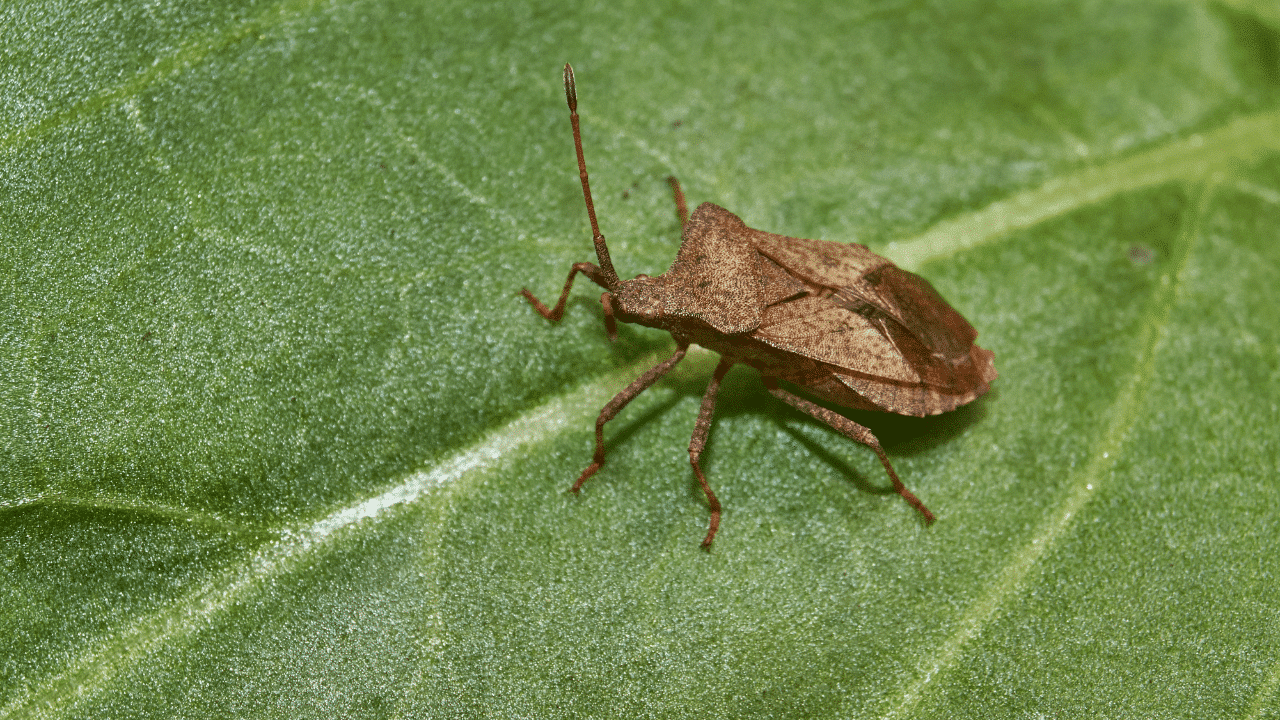
Identified as a true bug within the Hemiptera order, the brown marmorated stink bug is notable for its shield-like shape and distinctive coloration. Originally native to Asia, this pest has established large populations in North America and Europe following accidental introduction. The tendency to seek shelter indoors is closely linked to changes in weather and survival instincts.
Why do brown stink bugs invade homes?
The sudden appearance of brown stink bugs indoors is usually a result of their search for shelter. As temperatures drop during autumn and early winter, these insects are drawn to houses for warmth and protection against freezing conditions. A home provides a stable environment that shields them from harsh outdoor elements.
In addition, brown stink bugs are strongly attracted to warmth and light. Sunlit windows, porch lights, and indoor lamps often lure them toward entry points. Nighttime illumination becomes a beacon, guiding wandering bugs to accessible areas around the home.
How do stink bugs get inside?
Stink bugs are skilled at exploiting small openings. Entry through cracks and gaps remains their favored method for accessing indoor spaces. Gaps near doors, window screens, rooflines, and vents all serve as gateways during migration periods. Even seemingly minor flaws in the building’s exterior offer opportunities for intrusion.
Once inside, stink bugs tend to gather in attics, wall voids, or quiet corners where activity is minimal. Throughout the colder months, the warmth keeps them mostly inactive, but on sunny winter days, increased heat may draw them out of hiding in search of even warmer spots.
What risks do brown stink bugs pose indoors?
The presence of a brown stink bug indoors may appear alarming. However, despite its reputation as a nuisance pest, this insect causes no structural damage. Wooden beams, furniture, and foundations remain unaffected by its presence.
Furthermore, the brown stink bug does not bite or sting humans or pets. Physical harm is not part of its defense mechanism, so occupants need not fear direct injury. Instead, the main irritation comes from other aspects of its behavior.
Annoyances associated with brown stink bugs
Emitting foul odor
The most recognizable trait of a stink bug is its ability to emit foul odor. When threatened, handled, or crushed, it releases a strong scent as a deterrent against predators. This unpleasant smell lingers and proves difficult to remove from fabrics or textured surfaces in the home.
Multiple incidents involving squished bugs can quickly fill rooms with a persistent musty stench. For those sensitive to odors, this compounds the annoyance beyond their mere presence.
Attracts other stink bugs
A single sighting often signals the possibility of more. When one stink bug releases its odor, specific pheromones may attract other stink bugs nearby. What starts as a solitary visitor can soon escalate to a larger gathering, especially if indoor conditions remain favorable.
This tendency creates the impression of a developing infestation, particularly in regions where stink bug populations thrive year-round. Preventive measures typically aim to limit these initial entries to prevent widespread congregation.
Concerns beyond the household environment
While odor and annoyance are primary indoor issues, brown stink bugs present different challenges outside the home. Their feeding habits can impact gardens and local ecosystems significantly.
Plant and garden damage
Outdoors, stink bugs use their piercing mouthparts to feed on fruits, vegetables, and ornamental plants. Plant and garden damage becomes evident when these pests settle in large numbers during the warmer months.
This destructive feeding scars produce, leading to spoilage or visible blemishes. Agricultural communities monitor stink bug activity carefully, as crop yields can suffer during severe invasions. Home gardeners may also notice reduced harvests or spoiled crops once infestations take hold.
Disruption of native ecosystems
As an invasive species, the brown marmorated stink bug disrupts natural balances in both urban and rural settings. Local insects, birds, and small animals may struggle to adapt to this new competitor and food source. Outcompeting native species upsets biodiversity and can cause long-term ecological shifts.
Predators unfamiliar with the stink bug’s strong scent may avoid eating them, further reducing natural population controls. Over time, this leads to unpredictable changes in plant-pollinator relationships and other vital ecosystem functions.
Practical steps for prevention and response
- Seal entry points: Repair cracks, install screens, and weather-strip windows and doors to block access
- Minimize outdoor lighting: Turn off unnecessary lights during peak migration periods
- Vacuum rather than crush: Use appliances to remove live stink bugs without triggering their odor defense
- Monitor gardens: Inspect and treat outdoor plants regularly to catch signs of feeding before populations grow
- Store produce securely: Keep garden harvests and pantry goods tightly sealed in regions prone to infestations
Regular observation and ongoing maintenance help reduce the chances of recurring problems. Consistent efforts lower the risk of repeat episodes each season and deter future infestations before they intensify.
If repeated sightings occur despite taking precautions, consulting local pest experts or extension services for region-specific advice may prove beneficial. Often, coordinated community actions—such as sealing homes and managing shared outdoor areas together—yield the best long-term results.