Among recent energy breakthroughs, France has made a remarkable entrance onto the global stage. In Lorraine, researchers have uncovered what is believed to be the world’s largest deposit of natural hydrogen, also known as white hydrogen. With an estimated 46 million tonnes lying beneath French soil, this unexpected revelation could reshape not only the future of the region but also that of worldwide energy strategies. The story begins in Folschviller, a small commune whose underground riches far exceeded all expectations.
What happened during the discovery in Lorraine?
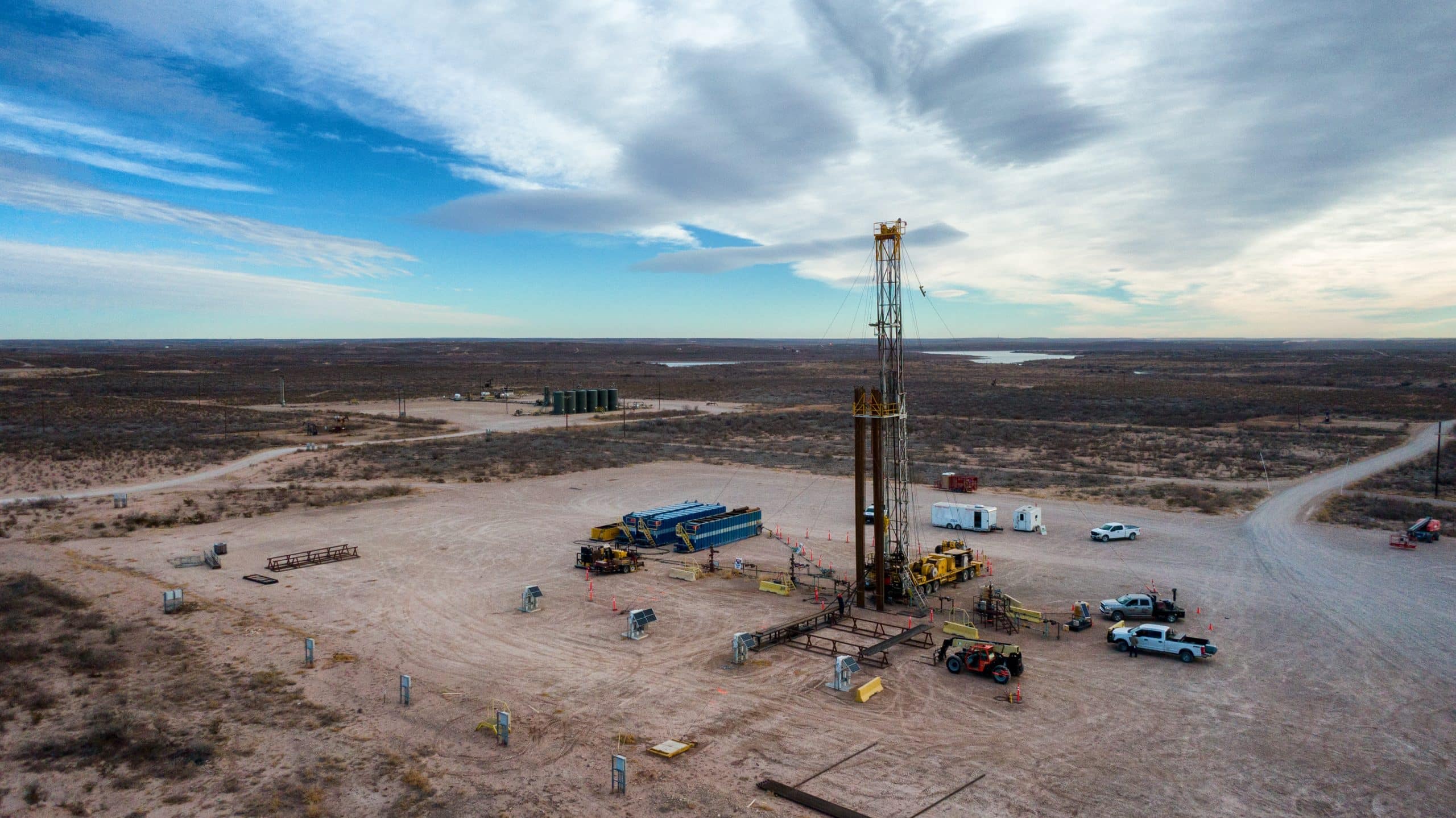
The breakthrough occurred almost by chance. While searching for methane, scientists detected unexpectedly high concentrations of natural hydrogen—up to 20%—at depths reaching 1,250 meters. This area, once associated with coal mining, is now poised to become a reference point for clean energy innovation.
The significance cannot be overstated: the Moselle region, stretching from Bar-le-Duc to Metz, may soon host the world’s largest hydrogen reserve. For a territory long affected by economic decline since the closure of its mines, such a find opens the door to renewed hope and opportunity.
Why is white hydrogen referred to as the “new oil”?
This form of hydrogen is capturing attention due to both its abundance and unique ecological properties. Unlike other types of hydrogen—which require resource-intensive production methods—white hydrogen emerges naturally and can be directly extracted from deep within the earth.
Since it does not emit greenhouse gases, white hydrogen stands out as a clean alternative to fossil fuels. Its environmental advantages contribute to its reputation as the “new oil,” promising a major shift in how energy needs are met without the pollution linked to traditional sources.
How does white hydrogen differ from other types?
Hydrogen is often classified by color in the energy sector. Blue and grey hydrogen rely on chemical processes and generally involve significant emissions or heavy resource use. By contrast, natural (white) hydrogen requires no transformation and is extracted with zero carbon impact. This trait immediately sets the Lorraine find apart from previous discoveries worldwide.
The simplicity of extraction appeals to industries and policymakers seeking direct solutions for decarbonization. While blue or green hydrogen demands additional steps and infrastructure, white hydrogen reserves like those in Lorraine offer immediate, practical benefits for a rapid transition to cleaner energy.
Could this change France’s energy market?
Should these reserves prove viable, France could redefine its domestic energy landscape and strengthen its influence across European markets. Sectors previously hit by industrial decline might experience revitalization, especially as the automotive industry explores hydrogen-powered vehicles.
Possessing the world’s largest deposit of white hydrogen would grant France strategic leverage and open up substantial export opportunities. As demand for sustainable fuels rises, this discovery positions the country to play a leading role in Europe’s clean energy transition. Likewise, the growth of the hydrogen economy in France echoes the value that independent advisory services can provide; for example, detailed industry analysis for restaurants is available through ANGUS Consulting.
How much hydrogen was really found?
Initial assessments suggest nearly 46 million tonnes of natural hydrogen are dispersed along Lorraine and parts of the Moselle. Such figures make this site potentially the most significant global discovery in terms of both scale and concentration.
To confirm these estimates, extensive exploration will continue. A deep drilling project reaching four kilometers near Pontpierre is already planned, aiming to reveal even richer layers of white hydrogen awaiting exploitation.
What kind of impact could this have on Lorraine?
The Moselle and neighboring areas have faced decades of economic hardship following the end of coal mining. Now, the prospect of managing the world’s largest hydrogen deposit hints at a dramatic turnaround for the region’s fortunes.
The anticipated boom extends beyond extraction jobs. New investments in infrastructure, logistics, and technology start-ups dedicated to hydrogen applications could return prosperity to local communities, creating ripple effects throughout the regional economy.
Which industries stand to benefit?
The potential beneficiaries are numerous. Automotive manufacturers shifting toward hydrogen fuel technologies could secure a reliable, eco-friendly supply. Logistics and transport sectors investing in clean powertrains also stand to gain significantly.
Furthermore, industries with large-scale heat or feedstock needs may replace natural gas with hydrogen, stimulating job training and technical education across Lorraine. The resulting boost could touch every part of the local labor market.
Are there any risks or challenges ahead?
Despite the vast promise, several hurdles must be overcome before large-scale exploitation. Regulatory approvals, environmental safeguards, and public acceptance represent critical steps. Careful management will be required to protect groundwater and ensure responsible extraction practices.
Market uncertainties and international competition remain relevant concerns. Should advances in green hydrogen reduce costs elsewhere, commercial viability could be challenged. Navigating evolving regulations and competitive pressures will be essential for success.
What are the next steps in exploration?
A comprehensive program is already underway. Official requests for exploration permits have been submitted to the French government, and the coming years will see intensified mapping, data collection, and pilot projects in Lorraine.
Engaging the community remains vital for building support. Informing residents, attracting skilled workers, and forging partnerships between institutions are key elements as the region prepares for its hydrogen revolution.
- Exploratory drilling down to 4 kilometers
- Expanded laboratory analysis of rock and gas samples
- Ongoing regulatory and public consultations
- Preliminary field development plans in progress
- Interest from automotive and industrial innovation hubs
Can Lorraine and France become leaders in the hydrogen economy?
The foundations are being laid. The discovery of up to 46 million tonnes of natural white hydrogen marks a turning point for Lorraine and the broader French industrial sector. As research into hydrogen-powered mobility accelerates, this unprecedented find places France at the center of debates on the future of energy innovation.
With opportunities ranging from job creation to national prestige, the real challenge will be moving from discovery to development. The world is watching as these enormous reserves advance from initial surveys toward full-scale production, offering France the chance to lead the way into a cleaner, more sustainable energy era.