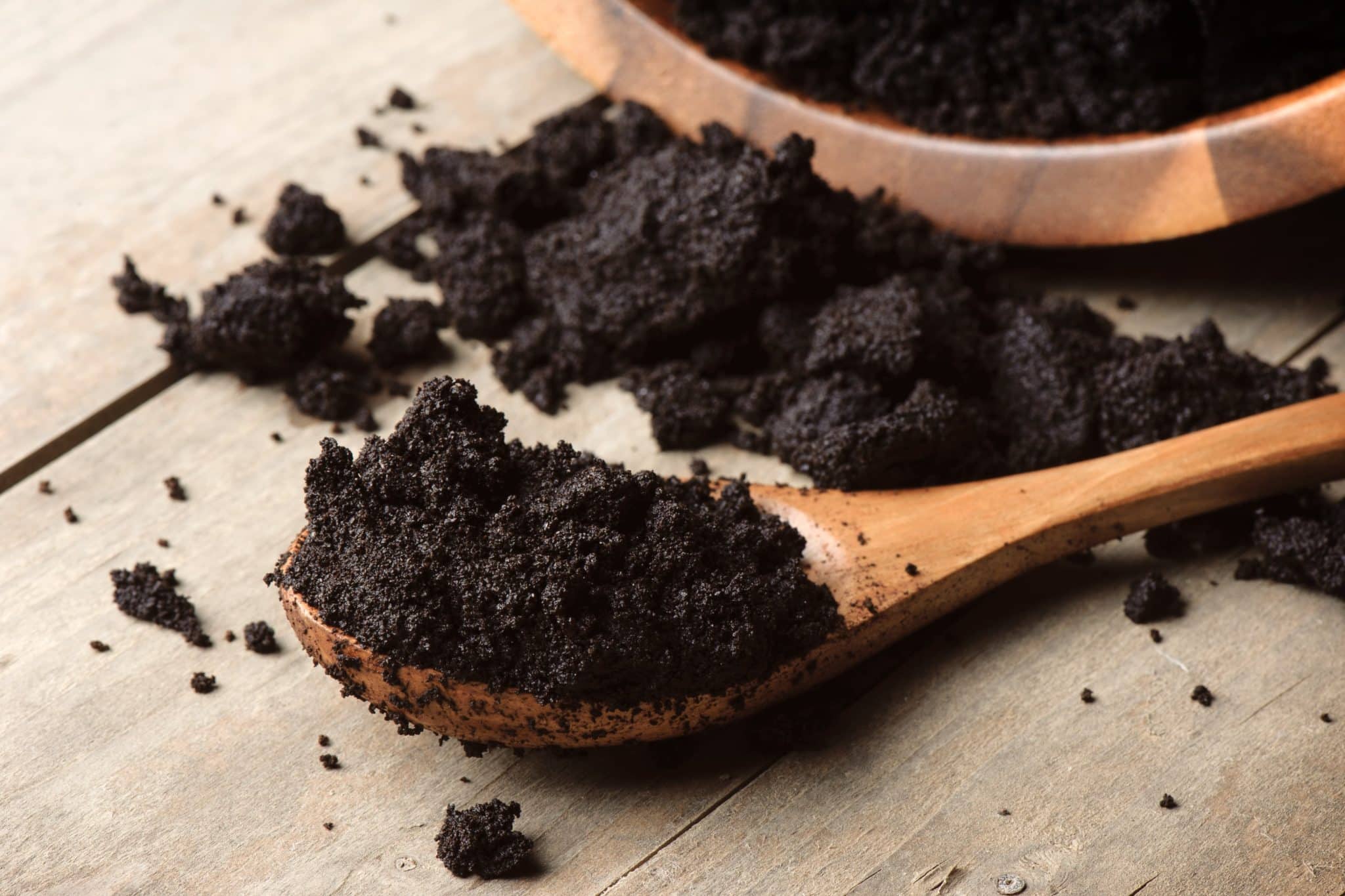
Imagine a morning ritual that not only energizes but also supports groundbreaking innovation. Coffee enthusiasts worldwide generate billions of kilograms of coffee grounds annually, with most discarded as waste. Thanks to pioneering Australian researchers from RMIT University, this daily byproduct is receiving a remarkable second life. The intersection of sustainability and engineering has led to an ingenious solution: using used coffee to reinforce concrete, offering substantial benefits for both the planet and the construction industry.
How did scientists find added value in coffee grounds?
On a daily basis, households and cafés dispose of immense quantities of coffee residue, often without considering its potential. While composting presents one avenue, practical large-scale alternatives have remained elusive—until now. A team of university researchers decided to push boundaries in their laboratory experiments.
Australian experts at RMIT University explored pyrolysis, subjecting leftover coffee grounds to high temperatures. This method sparked new avenues for eco-friendly innovation within the construction sector, revealing uses few had previously imagined.
From coffee waste to concrete reinforcement: what’s the process?
At the heart of this breakthrough lies a concept both simple and powerful: coffee leftovers can be transformed rather than wasted. Through specialized processing, they contribute to environmental objectives and the future of urban infrastructure. Here is how these once-discarded grounds become valuable assets in modern building materials.
Biochar production through pyrolysis
Researchers developed a technique to heat spent coffee grounds to 350°C under low-oxygen conditions—a process called pyrolysis. This transformation converts the grounds into biochar, a carbon-rich material resembling charcoal but with unique properties tailored for construction and other applications.
The resulting biochar possesses notable absorbent qualities. Not only does it show promise for pollutant absorption and agricultural benefits, but it also blends seamlessly into standard concrete formulations.
Coffee-infused concrete for better performance
The next phase involves integrating the newly created biochar into conventional concrete mixes. Tests revealed that incorporating the right proportion of this biochar increases concrete strength by about 30%. This advancement elevates coffee grounds from a kitchen castoff to a crucial construction material, combining increased durability with sustainability.
This enhancement maintains workability and does not inflate production costs, positioning it as an optimal choice for builders seeking reliable results while minimizing environmental impact.
What are the environmental benefits of reusing coffee grounds in construction?
Utilizing this unexpected resource delivers several layers of environmental value. From diverting organic matter from landfills to easing pressure on natural resources, the positive effects extend well beyond individual communities or industries.
By addressing major concerns like waste reduction and sustainable sourcing, this strategy underscores the far-reaching impact of green innovation in urban development.
Reduction of landfill and organic waste
Each year, nearly 10 billion kilograms of spent coffee grounds accumulate worldwide. Most of it either decomposes in landfills or enters wastewater systems. Recycling such massive volumes could significantly lessen the strain on municipal services and reduce methane emissions associated with decaying organics.
This approach extends the lifecycle of food industry byproducts, allowing what was once discarded to gain new purpose in robust, long-lasting structures throughout cities and towns.
Decreased need for natural sand extraction
While sand may appear abundant, escalating demand for concrete places intense stress on riverbeds and coastal environments. By substituting part of the natural sand component with coffee-based biochar, the industry finds a viable pathway toward more responsible manufacturing.
This shift translates to fewer trucks extracting sand from fragile ecosystems and a measurable decrease in the hidden environmental cost of traditional concrete.
- Promotes less landfill accumulation and lower greenhouse gas emissions
- Reduces dependence on finite sand resources
- Supports local economies by creating markets for collected coffee waste
- Lowers the environmental footprint compared to classic concrete production
Could coffee biochar offer benefits beyond construction?
Transforming grounds into concrete enhancers is just one chapter of the story. The absorptive power of biochar opens doors for diverse applications, expanding its utility far beyond the scope of building sites.
Current research already highlights the versatility of biochar, suggesting a broad spectrum of positive impacts across different sectors.
Opportunities for pollutant absorption
The porous nature of biochar makes it highly effective at trapping pollutants. As a filtration medium, it holds potential for purifying water systems or remediating contaminated soils. Studies recommend the use of coffee-derived biochar to address certain industrial runoffs, providing municipalities with innovative tools to combat pollution.
Such features bring hope for cleaner, safer environments where urban growth and agriculture coexist more sustainably.
Agricultural and cosmetic applications
Beyond construction, biochar derived from kitchen scraps is being tested to enrich soil health in agriculture. Its capacity to retain moisture, store nutrients, and foster beneficial microbes supports crop growth without synthetic additives.
In cosmetics, finely milled biochar could soon feature in exfoliating products or skincare routines due to its gentle yet efficient cleansing properties.
Though less renowned than other plant-based ingredients, recycled coffee grounds continue to inspire creative solutions wherever environmental stewardship meets ingenuity.
What does the future hold for coffee grounds reuse in industry?
Although initial outcomes are promising, experts emphasize the need for ongoing studies to assess the long-term durability of concrete enriched with coffee biochar. Evaluations under real-world conditions will determine its resilience over decades, particularly in challenging climates or earthquake-prone areas.
If further research confirms structural reliability, commercial adoption could transform cityscapes—repaving sidewalks, constructing bridges, and building homes—all infused with this innovative material. Interest is already growing among construction professionals keen on greener practices.
- Researchers anticipate broader adoption as validation progresses
- Municipalities may encourage cafés and businesses to join collection programs
- This model could inspire similar recycling methods for other organic or industrial waste streams
With every cup brewed and each filter emptied, a familiar habit gains new significance. Around the globe, coffee drinkers are now part of a movement reshaping tomorrow’s cities and demonstrating the creative environmental advantages achieved when science and collaboration unite.