In March 2022, a saharan dust event swept across France and Western Europe, leaving cars coated in orange residue and turning skies an unusual hue. This striking episode, carried by strong southern winds, raised immediate concerns about air quality and respiratory health. As scientists analyzed the deposits, they detected traces of radioactivity—prompting questions about where these particles came from, what risks they might pose, and whether such episodes could become more common as climate patterns evolve.
How did saharan dust reach Western Europe?
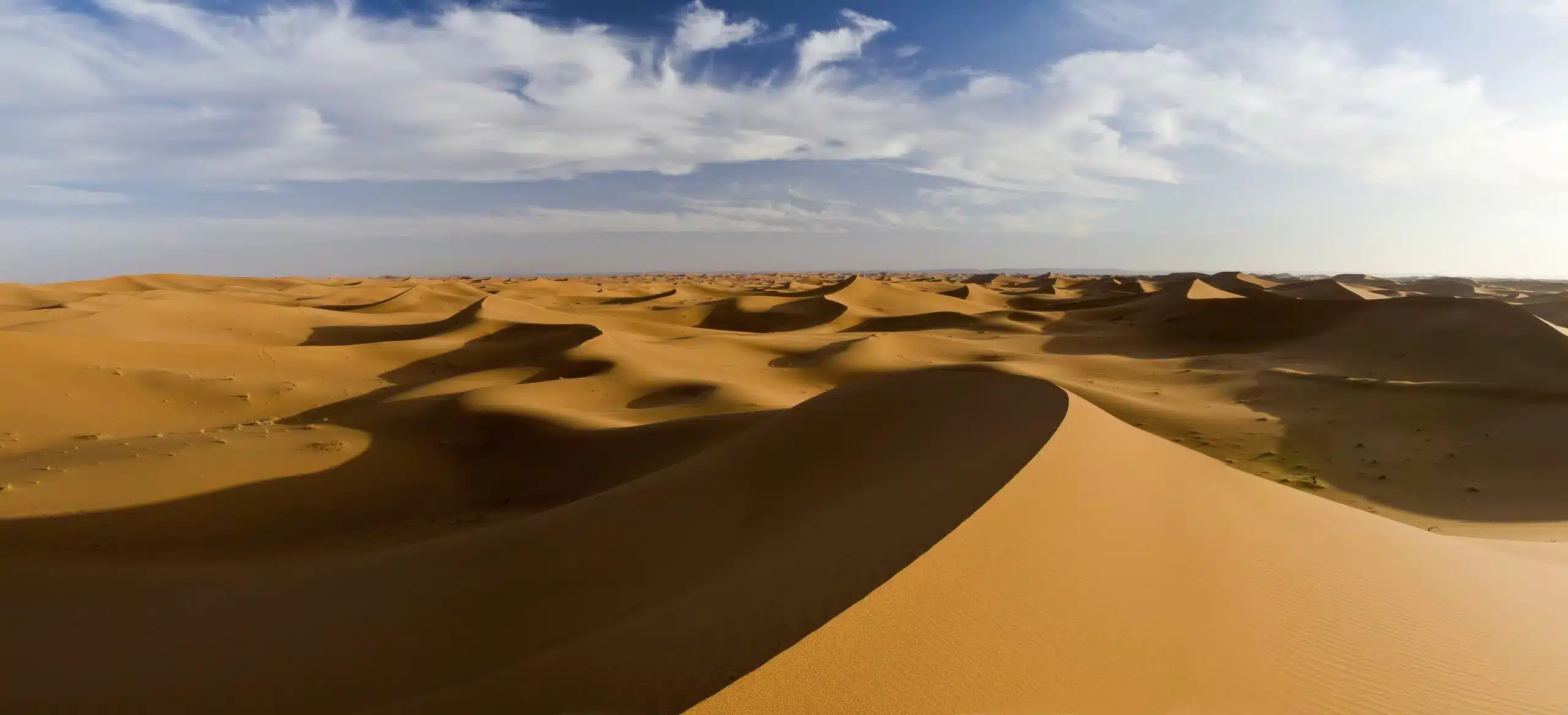
The Sahara Desert may seem distant from Europe, but prevailing atmospheric currents can lift fine desert particles over thousands of kilometers. During specific meteorological events, powerful winds transport saharan dust northward, allowing it to settle over countries like France, Spain, and even Germany.
This was precisely the case in early spring 2022, when one of the most significant saharan dust incursions on record affected Western Europe. Residents woke up to yellowish layers on outdoor surfaces and experienced decreased visibility, with public warnings issued due to degraded air quality and potential respiratory discomfort for sensitive individuals.
Why was radioactivity found in the dust?
Following this large-scale event, researchers launched a participatory science initiative to collect more than one hundred dust samples from across the region. Laboratory analysis revealed measurable amounts of cesium-137, a radioactive isotope associated with nuclear fallout. The presence of radioactive particles quickly drew widespread attention.
Initial theories suggested that this contamination was linked to French nuclear testing in the Sahara during the early 1960s near Reggane, Algeria—a period marked by several atmospheric tests and significant radioactive releases. Many believed that remnants from those detonations had resurfaced, transported anew by desert winds decades later.
What is the true origin of the radioactivity?
A recent study led by French, Swiss, and Spanish researchers and published in Science Advances sought to clarify the source of cesium-137 in the saharan dust. By analyzing the unique radioactive “signature” of collected samples, the team compared them to profiles from historical nuclear tests worldwide.
The findings were surprising: rather than matching the profile of French nuclear testing in the Sahara, the isotopic signature pointed instead to the broad-scale atmospheric nuclear weapons testing conducted by the United States and the USSR during the Cold War. These superpower experiments, which spanned from the late 1940s through the 1980s, released vast quantities of radioactive material into the atmosphere—some of which eventually settled in the sands of North Africa. When desert storms arise, these embedded particles can travel far afield, including to Europe.
Cold War nuclear tests and regional sources: what sets them apart?
Understanding the distinction between global and local fallout is essential. While French nuclear testing in the Sahara caused significant contamination in its immediate vicinity, it represents only a small portion of the total radioactive burden now present in Saharan sand. In contrast, Cold War-era atmospheric nuclear weapons testing distributed radioactive residues globally, carried by wind and precipitation to many regions—including Northern Africa.
Consequently, whenever strong winds mobilize desert dust, any radioactive elements trapped within those layers can be dispersed well beyond their original deposition zones.
How high were the detected radioactivity levels?
Researchers reported that the median concentration of cesium-137 in samples collected across France and neighboring countries was around 14 becquerels per kilogram, while rare hotspots in the heart of the Sahara showed values reaching up to 1,000 Bq/kg. Importantly, the vast majority of measurements remained well below European Union regulatory limits for environmental safety and food products, thresholds designed to prevent undue exposure to radioactive particles.
No evidence suggests that single saharan dust events pose acute radiation risk. Even during years with intense activity, airborne radioactivity levels remain significantly lower than those known to cause short-term health effects according to accepted health risk assessment standards.
Is there a long-term health concern?
Experts in health risk assessment maintain that ongoing monitoring is prudent, especially with repeated low-level exposures. However, France and other European nations routinely track both natural and manmade radioactive substances in soil, air, and water. When compared to typical background radiation from rocks or medical procedures, doses received from occasional saharan dust events are negligible.
Thus, while no one welcomes additional radioactive dust, current scientific evidence indicates no meaningful impact on public health from recent episodes. The main health issue observed during these events remains respiratory irritation from increased particulate matter—not from radioactivity itself.
- Radioactive particles in saharan dust mainly originate from Cold War-era nuclear tests, not just local activities.
- Detected concentrations of cesium-137 are far below European safety thresholds.
- No serious health effects have been attributed to these dust episodes in Europe.
- The distinctive color and density of the dust are linked to mineral content, not to radioactive contamination.
Are saharan dust events likely to increase?
Meteorologists warn that shifts in global weather and increasing drought conditions in North Africa could make saharan dust storms both more frequent and more intense. With climate change altering wind patterns, episodic dust transfers to Europe are expected to multiply in the coming years.
This trend highlights the need for sustained monitoring—not only for radioactivity, but also for general air quality and its impact on cardiovascular and respiratory health. Cities in Southern France and Spain are already investing in predictive systems to better protect at-risk populations during future incursions.
Key takeaways from recent research
One major lesson is the value of collaborative, participatory science in tracing the journey of radioactive particles. Thanks to joint efforts by citizens and professional researchers, assumptions about local contamination were replaced by a clearer understanding of the global legacy left by atmospheric nuclear weapons testing.
Ultimately, thorough scientific investigations help prevent unnecessary anxiety and ensure that resources focus on real risks—benefiting public health and environmental management alike.
Is regulation adapting to evolving risks?
Few anticipated that modern-day France would still encounter signals from mid-twentieth-century nuclear tests. Nevertheless, regulatory agencies regularly update detection methods and emergency protocols to maintain transparency and preparedness should higher-than-usual readings occur during future saharan dust events.
Better understanding the origins and movement of these dust clouds, together with knowledge of past nuclear tests, equips everyone to address new challenges posed by shifting climate trends and to safeguard both environment and wellbeing.