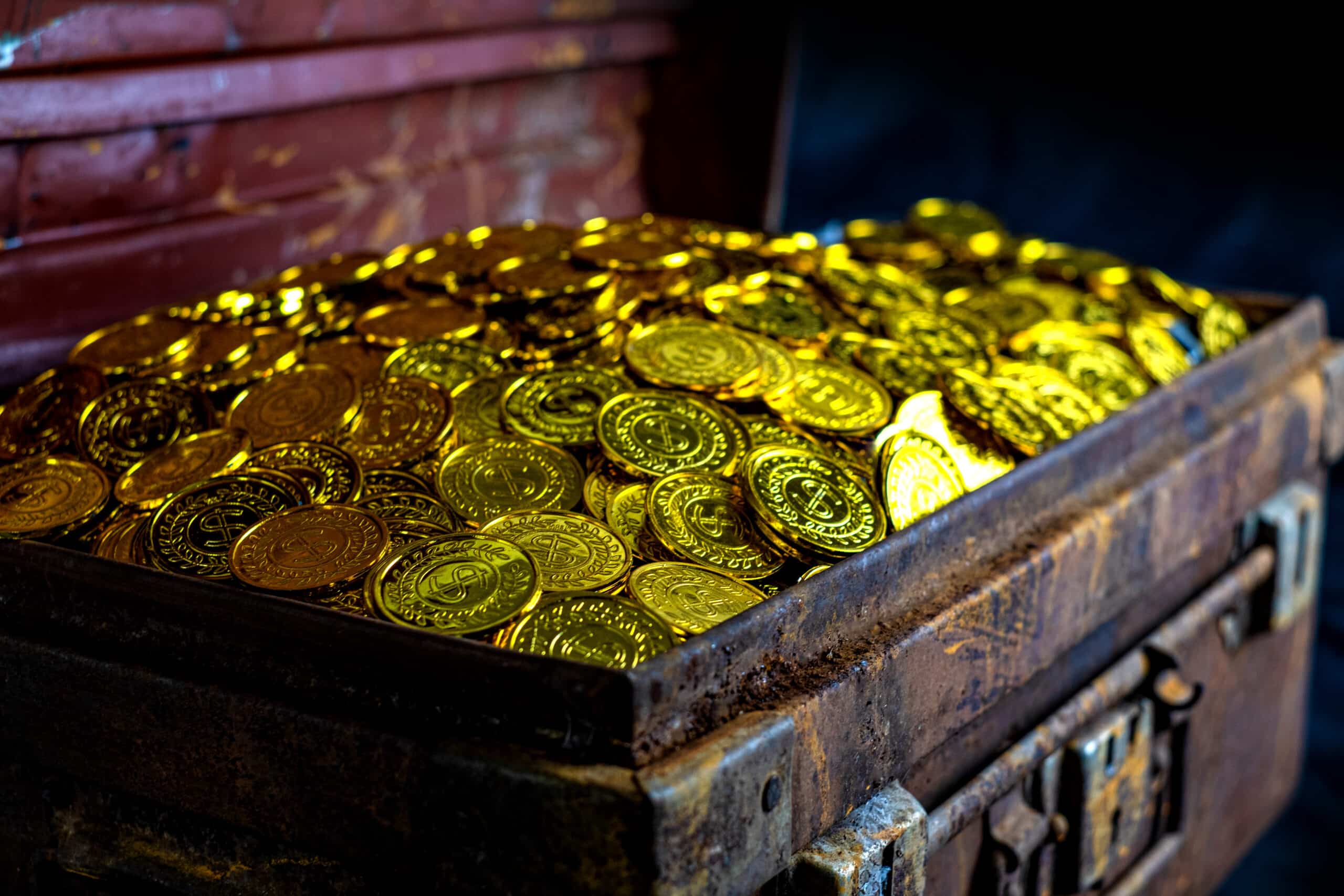
The allure of sunken treasure continues to fascinate, but some discoveries truly bring history to life. Off the renowned Treasure Coast in Florida, over 1,000 gold and silver coins have been recovered by a team of expert divers. This remarkable find, valued at nearly one million dollars, shines a spotlight on colonial maritime history, devastating storms, and the evolution of underwater exploration techniques.
How did this treasure discovery unfold?
This extraordinary recovery was the result of a meticulous and highly technical operation conducted by seasoned divers. The team ventured along the Florida coast, combining historical research with cutting-edge technology to identify promising locations beneath the sands. Their pursuit called for both determination and expertise, as they navigated the ever-changing underwater landscape of the Treasure Coast.
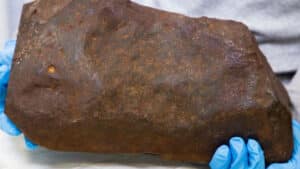
Using advanced metal detectors and specially designed sand suction tools, the divers revealed a cache of gold and silver coins clustered just offshore. These treasures, lost since the fateful hurricane of 1715 that destroyed a Spanish fleet returning from South America, offer a tangible link to a dramatic chapter in maritime history. Sometimes, astonishing finds can come from unexpected sources, such as when an individual keeps what appears to be an ordinary rock for years, not realizing its hidden value—much like the account detailed in this story about a rock thought to contain gold that proved even more valuable.
What is the significance of the age and origin of these coins?
These coins are genuine relics from the early 18th century, making their 310-year-old provenance particularly significant. Many bear distinct markings from their original Spanish colonial mints, providing historians with rare clues about the movement of precious metals during this era. Such evidence aligns directly with documented accounts of wealth being transported across the Atlantic for the Spanish crown.
By studying mint marks and inscriptions, experts can trace the origins of these coins, revealing insights into colonial trade networks and the perils faced by transatlantic voyages. The recovery transforms archival legends into physical proof, bridging centuries between past events and present-day study.
How does this fit into the broader story of Treasure Coast shipwrecks?
The stretch of shoreline known as the Treasure Coast is legendary for its many sunken ships. More than ten Spanish wrecks remain scattered beneath local waters, each guarding secrets yet to be uncovered. This site stands out not only for its historic value but also due to recent incidents, including a theft in 2024 involving someone close to the diving team.
Despite such setbacks, this latest haul distinguishes itself through the sheer volume of recovered coins and the transparent legal framework governing its division. Every new find in these waters fuels anticipation for future expeditions and the possibility of more Spanish colonial treasures awaiting discovery. Discoveries along these lines echo real-life tales where individuals unwittingly safeguard items of immense worth amid everyday circumstances, reminiscent of those who unknowingly possess artifacts deemed almost priceless in retrospect, such as the unexpected fortune linked to an unassuming rock.
What makes the recently recovered treasure so special?
This trove impresses not only by its size and estimated one million dollar value, but also by the exceptional condition of several coins. Submerged for three centuries, many remain remarkably well preserved, showcasing intricate designs and varied denominations that enrich our understanding of colonial-era minting.
The methods used in this recovery highlight the importance of responsible exploration. Advanced detection equipment allowed precise location of the coins while safeguarding delicate artifacts and marine habitats. Each stage combined maritime archaeology with modern engineering prowess.
- More than 1,000 individual coins unearthed in a single sandy area
- An overall value approaching one million dollars
- Mint marks connecting pieces to their places of origin
- Careful techniques protecting both artifacts and the sea environment
- Findings contributing valuable insight to ongoing research on Spain’s colonial fleets
How will the treasure be shared and studied?
After their recovery, the gold and silver coins embarked on another journey—from ocean depths to museum displays. In line with Florida law, around 20 percent of the treasure remains in state hands, destined for museums or further study. Historians eagerly anticipate analyzing the unique markings on these finds to reconstruct their production histories.
The remainder is divided between the specialized company 1715 Fleet-Queens Jewels LLC and its subcontractors, reflecting the partnership behind such ambitious projects. This arrangement supports continued investment in underwater exploration while balancing cultural preservation with commercial risk. As a result, both scholars and the public gain access to these extraordinary historical objects.
Why are such finds so valuable to historians and museums?
Beyond their market price, these discoveries hold immense contextual value by illuminating the stories of Spain’s golden fleets. Scholars rely on authentic artifacts like these coins to clarify fragmented records, linking tangible evidence to maps, logs, and survivor accounts. Information gleaned from these pieces helps reshape how the Age of Exploration is presented in education and media.
Museums greatly benefit from displaying such genuine relics, offering visitors a direct connection to events that unfolded centuries ago. The presence of real shipwrecked Spanish colonial treasure enhances appreciation for both regional and world history.
What technologies enable successful underwater exploration today?
Modern treasure hunts depend on sophisticated technology. Divers employ waterproof metal detectors tailored for submerged minerals, remotely operated vehicles to map the seabed, and precision suction devices to remove layers of sand. GPS mapping and underwater drones streamline the process, helping teams focus on likely sites and avoid unnecessary disturbance.
Integrating these tools with thorough historical research transforms what once was risky guesswork into a targeted scientific endeavor. Striking the right balance between efficient recovery and artifact protection explains why contemporary teams achieve successes previously thought impossible.
What legacy does a million-dollar shipwreck leave?
Each item raised from the deep adds a new chapter to global history. Whether showcased in a coastal museum or examined by researchers, these gold and silver coins inspire curiosity and admiration among Floridians and visitors alike. The enduring mystique of the Treasure Coast continues to draw explorers, illustrating how nature, ambition, and patience blend to reveal treasures long hidden beneath the waves.
Shipwreck sites near the Florida coast remain rich grounds for remarkable finds—reflecting advances in technology, respect for heritage, and the timeless hope that more extraordinary stories await discovery beneath shifting sands and rolling tides.