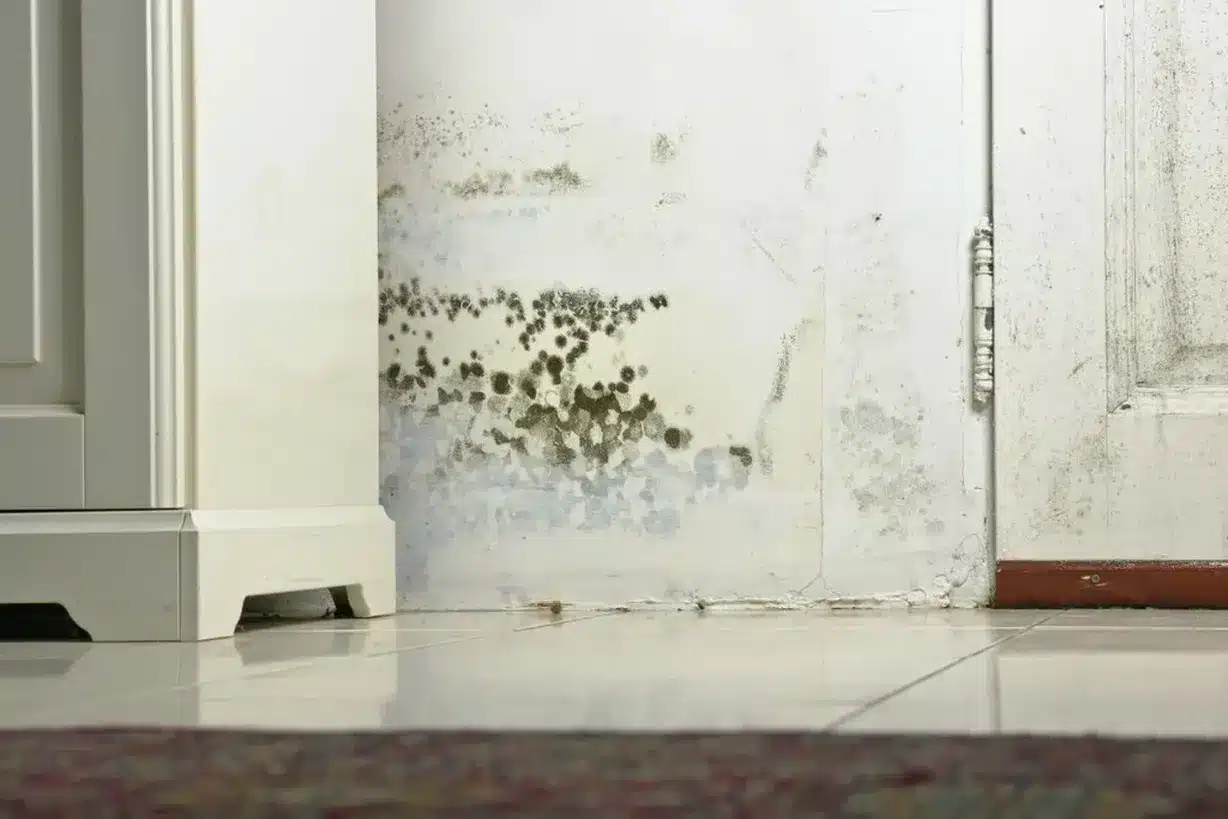
As winter settles in, interiors often become breeding grounds for a persistent cold sensation. Condensation appears on windows, musty odors linger in corners, and unsightly black spots develop behind furniture—clear indicators that excess moisture has taken hold. Many households seek effective natural remedies, but are quickly overwhelmed by the abundance of products promising miraculous effects or costly machines humming away in the background. However, a simple and economical trick truly changed everything, relying on ingredients that are both easy to find and safe for everyone, including pets.
Why does indoor humidity increase so much during winter?
The combination of cold outdoor air and heated interiors creates an ideal environment where condensation removal becomes necessary. While heating systems can dry out some areas, spaces such as bathrooms, kitchens, and laundry rooms tend to accumulate moisture rapidly. When warm air meets cold surfaces, water droplets form, encouraging mold growth and unpleasant smells. This situation often leaves household members feeling chilly, even when the thermostat is set high.
This issue worsens if airing/ventilation is neglected. Keeping windows closed traps humid air inside, hindering the circulation needed for a healthy environment. Using a basic moisture measurement device helps reveal the extent of the problem. Ideally, interior humidity should remain between 45% and 60%. Exceeding this range increases the risk of problems like peeling wallpaper, allergy flare-ups, and even structural damage over time.
The ingenious technique: transforming clay into a powerful home-made dehumidifier
Rather than turning to harsh chemicals, bulky electric appliances, or disposable sachets, there is a natural alternative with impressive humidity absorption capabilities. Crushed clay, found in organic grocery stores or select supermarkets, stands out thanks to its affordability and effectiveness.
This mineral acts like a sponge, drawing water vapor from the air and collecting it as liquid. When used cleverly, it forms the core of a reusable and silent home-made dehumidifier.
How to create a DIY home-made dehumidifier using clay?
To begin, take a clean 1.5-liter plastic bottle and cut it two-thirds of the way up from the base, keeping both parts. Invert the top section to form a funnel and fit it back into the bottom part. Place a cotton cloth securely inside the neck of the funnel—this will filter out small clay fragments while letting the collected water pass through.
Fill the improvised container with crushed clay until it is three-quarters full. Position this DIY dehumidifier in damp areas such as the bathroom, kitchen, living room, or bedroom. Over time, condensed water gathers at the bottom. Simply empty the water and replenish the clay once saturated. Depending on the season’s intensity, recharging may only be needed monthly.
What other natural remedies can complement or replace clay?
For those eager to explore additional solutions, several household staples also offer notable humidity absorption qualities. Rock salt/gros sel effectively traps moisture and works well when placed in bowls near problem spots. Bags containing activated/charcoal not only absorb humidity but also help with air purification and neutralizing bad odors. While these alternatives might not collect as much visible water as clay, they still play a role in lowering humidity and improving indoor air quality.
Each space reacts differently, so alternating between these traditional techniques can yield the best results. Rotating methods prevents residue buildup and ensures consistent performance throughout the year.
Everyday practices for maintaining an ideal humidity level
Even the most effective home-made dehumidifier needs support from daily routines. Healthy indoor air depends on adopting good habits focused on moisture control and regular airing/ventilation.
Simple actions make a big difference: airing rooms for fifteen minutes morning and evening, wiping down tiles after showers, covering pots while cooking, and drying laundry outdoors all accelerate condensation removal. Regular checks with a moisture measurement tool allow for early intervention before minor issues escalate.
The long-term benefits of controlling indoor humidity
Maintaining a stable, ideal humidity level offers more than just comfort. Reducing excess moisture dramatically limits opportunities for dust mites and mold to thrive. Sensitive individuals enjoy fewer allergy symptoms and better sleep quality year-round.
Aesthetics matter as well—walls stay pristine, woodwork remains unwarped, and clothes are free from mildew. Preventing moisture-related damage also means saving money on repairs and cleaning supplies. For those focused on sustainability, choosing natural solutions like clay, rock salt/gros sel, or activated/charcoal reduces reliance on energy-consuming devices and avoids chemical residues.
Creative upgrades and troubleshooting tips
Personalizing a home-made dehumidifier adds charm and practicality. Some opt for glass jars or ceramic pots, blending the device seamlessly with room decor. Regardless of the chosen vessel, ensure proper water drainage and keep filters clean for optimal performance.
If absorption slows, check whether the clay requires refreshing. Spreading clay pieces under sunlight dries them out, readying them for reuse. Should odors persist or mold spots multiply, try combining the clay device with a bowl of rock salt/gros sel nearby or introduce houseplants known for gentle air purification.
- Open vents and windows briefly each day to encourage natural airflow
- Inspect bathroom seals and joints regularly for hidden leaks
- Alternate between absorbers such as clay, rock salt/gros sel, and charcoal depending on the season
- Use a digital meter for precise moisture measurement, especially in basements
- Rotate and refill dehumidifying devices regularly to maintain effectiveness
Rediscovering comfort and freshness at home
Small adjustments add up in the fight against humidity. With just a few affordable materials and a bit of patience, noticeable improvements appear: walls lose their dampness, lingering odors disappear, and the home feels noticeably warmer and more inviting. Even on the dampest winter days, family members breathe easier knowing every corner stays dry and comfortable.
Opting for nature-inspired solutions—whether clay, activated/charcoal, or classic home-made dehumidifiers—brings peace of mind without extra expense. As practical routines merge with smart innovations, interiors transform into sanctuaries protected from the unpredictable weather outside.