
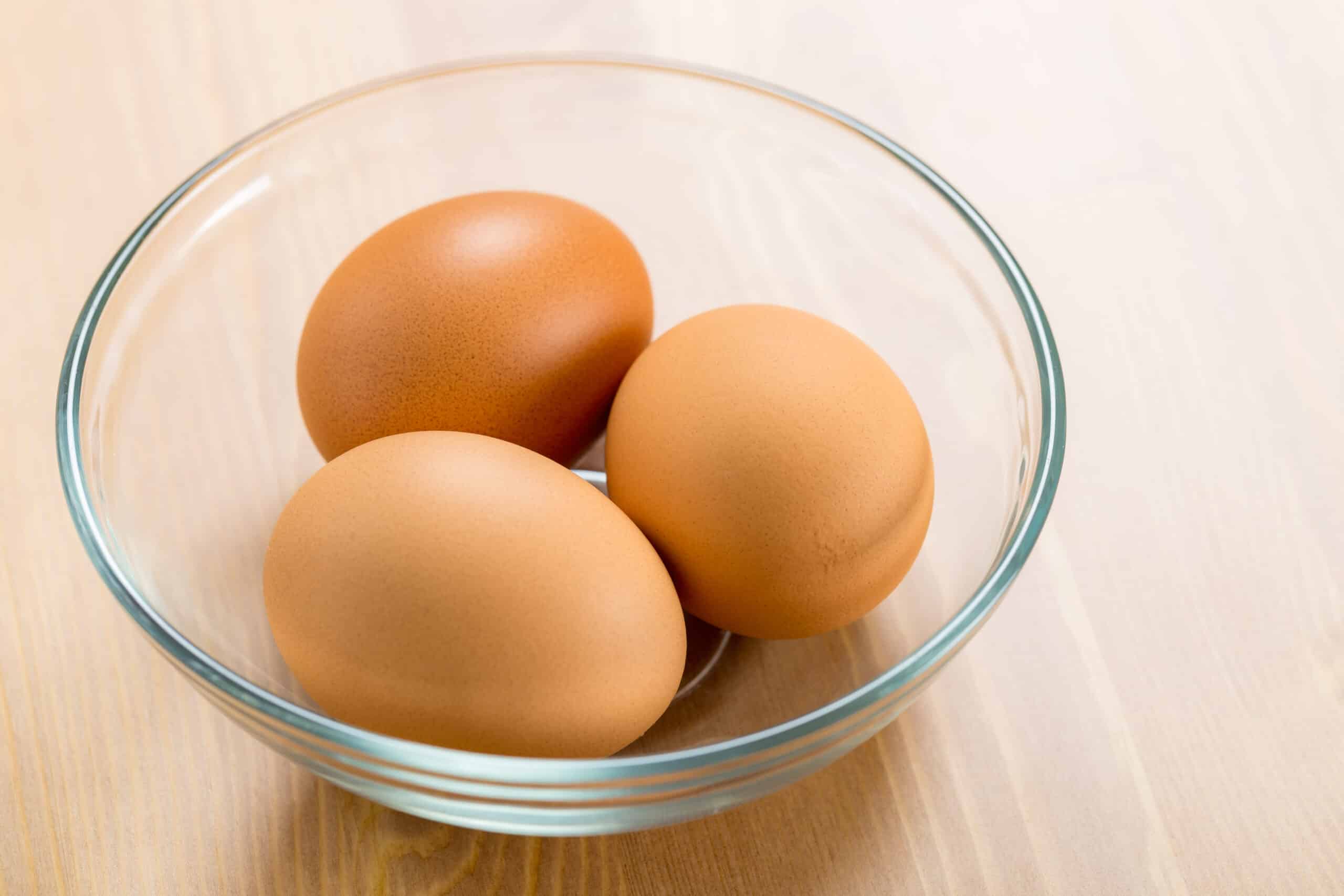
Nothing disrupts a morning like cracking an egg and questioning its freshness. Many stand in the kitchen, eyeing the carton, unsure whether those eggs are still safe to use. Fortunately, there exists a remarkably straightforward way to assess egg freshness at any time—a method passed down by generations, fondly remembered as my grandmother’s trick: the classic water float test.
Why checking egg age matters for every household
Eggs serve as a cornerstone in countless recipes, from breakfast scrambles to delicate pastries. Knowing when eggs are going bad not only saves ingredients and effort but also helps avoid unnecessary waste. No one wishes to discard perfectly good food or risk using spoiled eggs.
Learning how to evaluate egg expiration is essential for maintaining egg safety in every home. This small habit can prevent unpleasant surprises—like off-odors during cooking—and protect both health and grocery budgets.
How does the water test work?
The floating test provides a dependable, science-based approach to gauging egg freshness with nothing more than a glass of water. There is no need for special tools—simply fill a bowl or tall glass with cold tap water, place the egg inside, and apply this trusted wisdom in daily routines.
As eggs are stored over time, moisture gradually escapes through tiny pores in the shell. This process allows air to enter, resulting in a larger air pocket. As a result, older eggs become less dense, which changes their behavior in water during the freshness test.
Fresh eggs: sinking to the bottom
Gently drop a raw egg into the water. If it settles flat on the bottom and lies on its side, egg freshness is at its peak. These eggs are ideal for poaching, soft boiling, or baking, as the whites stay firm around the yolk, producing attractive results.
This outcome usually indicates that the egg was recently purchased or has been properly stored. Most cooks prefer these first, appreciating the superior taste and texture they offer.
Older eggs: upright but not floating
If the egg stands upright on the bottom instead of lying flat, it signals aging, though not necessarily spoilage. The expanding air cell hints that the egg is getting older. Interestingly, these eggs peel more easily when hard-boiled, making them useful even as egg freshness decreases.
This stage in the water test suggests using the eggs soon and always inspecting for unusual sights or smells after cracking, especially before lightly cooked dishes. It demonstrates how a simple trick like this fits seamlessly into weekly kitchen habits.
Floating eggs: when to be cautious
An egg that floats to the surface has developed a significant air pocket due to moisture loss. According to my grandmother’s trick, floating is a warning sign. However, floating eggs are not automatically spoiled; sometimes, dehydration alone causes this effect.
If the shell remains clean and intact and there is no strange odor once cracked, such eggs might still be edible. For maximum egg safety, only consume floating eggs if thoroughly cooked. When in doubt, discarding questionable ones is the best safeguard against the risks associated with eggs going bad.
Extra tips for buying and storing eggs safely
Ensuring top quality starts before eggs even reach the kitchen. A little attention while shopping contributes greatly to egg freshness and peace of mind at mealtimes.
- Examine each carton for visible cracks or damaged shells, avoiding boxes with leaks or stains.
- When possible, sniff the carton for subtle sulfuric odors, which can indicate early spoilage.
- Check packing and expiration dates, choosing cartons with the latest date for extended shelf life.
- Store eggs in their original packaging to maintain humidity and shield them from other refrigerator odors.
- Refrigerate eggs consistently below 40°F/4°C to slow aging and minimize bacterial risks.
Practicing these habits supports longer-lasting egg freshness and reduces the frequency of discarding valuable groceries. Each step, from careful inspection to proper storage, adds reassurance to daily routines.
Other easy ways to spot eggs going bad at home
While the floating test is a favorite, additional checks provide extra confidence. Double-checking questionable eggs with multiple methods ensures greater safety in the kitchen.
Certain signs unmistakably reveal when an egg is no longer safe. These clues require nothing but careful observation and perhaps a discerning nose.
Shell inspection and visual cues
Examining eggs closely can reveal much about their condition. Fresh eggs present smooth, unblemished shells without powdery residue. The presence of mold, cracks, or an odd sheen may suggest contamination or decay.
Once an egg is opened, very fresh eggs display cloudy whites, which clear up as they age. Any discolored yolks, green rings, or streaks signal immediate disposal to uphold egg safety.
Odor check: trust senses for egg expiration
Sometimes, even before performing a freshness test, a single whiff reveals everything. Eggs going bad emit a strong, sulfur-like smell. If detected, even faintly, the egg should be discarded immediately.
Relying on basic sensory cues, alongside the legendary grandmother’s trick, provides households with confidence in safe meal preparation.
Maximizing every carton: waste less, enjoy more
Modern routines often overlook traditional wisdom. Returning to the floating test not only prevents unnecessary waste but also brings reassurance to everyday cooking. These steps transcend fleeting trends and suit all ages, whether preparing a family brunch or school lunches.
By combining the water test with smart shopping habits, each egg is more likely to fulfill its culinary potential—saving money and reducing stress along the way. Inherited techniques like these blend simplicity with science, ensuring wholesome meals and confident kitchens.