
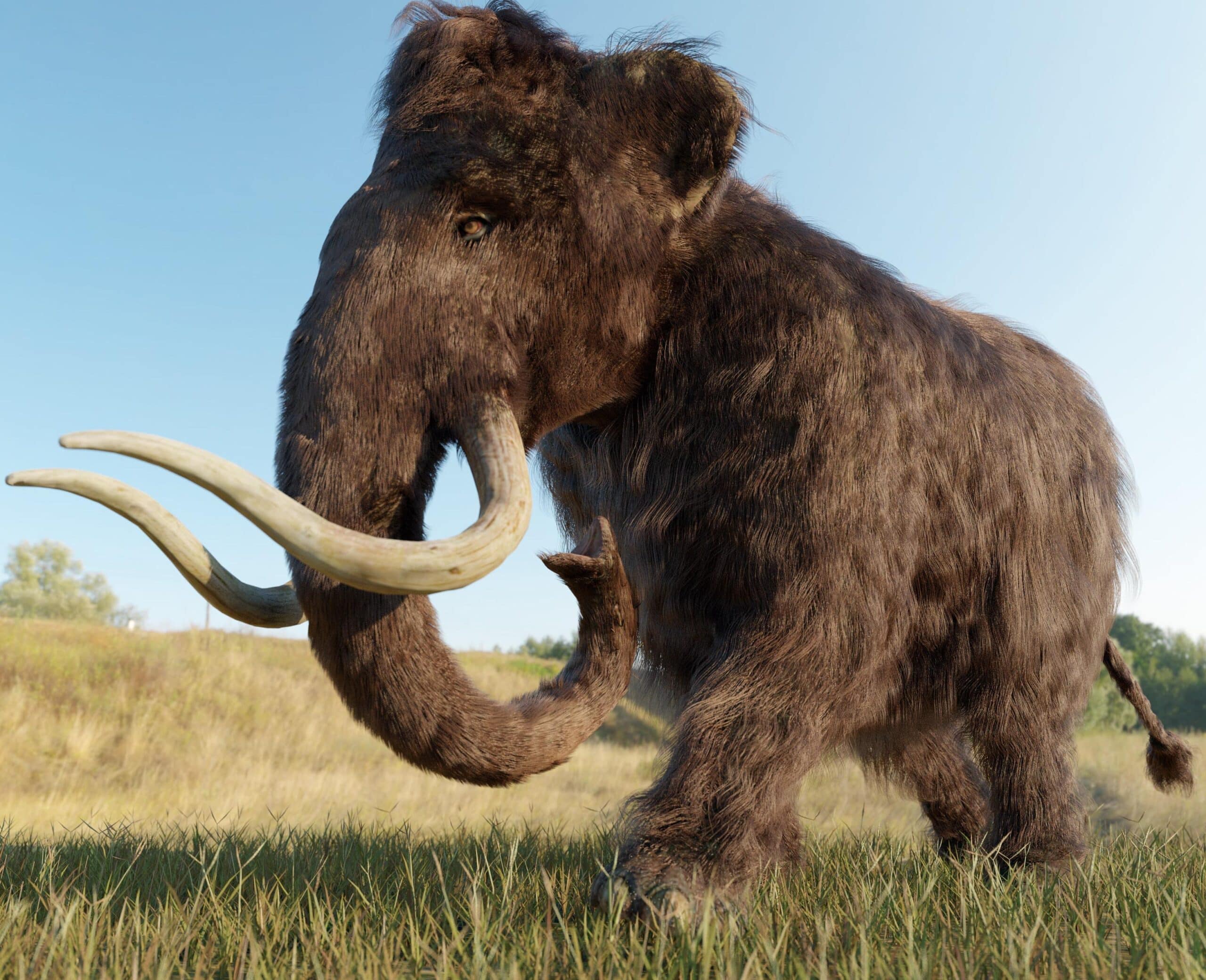
The revival of extinct species, once confined to science fiction, is rapidly becoming a tangible scientific pursuit. Driven by curiosity and the power of advanced genetic tools, researchers have achieved a significant breakthrough: the creation of woolly mice with golden, dense fur and a robust layer of fat, reminiscent of the legendary Ice Age giants. This achievement lays crucial groundwork for one of conservation science’s boldest ambitions—the return of the woolly mammoth through de-extinction.
How do scientists genetically engineer woolly mice?
Understanding how these genetically engineered mice are produced reveals the practical pathway toward de-extinction. Researchers at Colossal Biosciences employ comparative genomics to identify the precise genes responsible for mammoth-like characteristics such as thick, insulating coats and remarkable cold tolerance—traits that defined Ice Age survivors like the woolly mammoth.
By examining DNA from ancient remains alongside that of modern relatives such as elephants, experts isolate critical differences. Using CRISPR technology, they edit targeted genes, transferring specific mammoth-like traits into living lab mice. The result is not a simple replica, but rather an animal displaying new combinations of inherited features adapted for cold environments.
Gene editing techniques behind new species creation
CRISPR gene editing offers unmatched precision in modifying animal genomes. By removing certain DNA segments and inserting desired sequences, scientists at Colossal can quickly determine which changes produce visible effects. For example, swapping mouse genes for their mammoth counterparts has led to a strikingly shaggy coat—a dramatic change from typical laboratory mice.
This method accelerates evolutionary changes that would normally take millions of years. Instead of relying on slow mutation and natural selection, gene editors can cultivate genetically modified mice with unfamiliar fur types and body composition suited for Arctic conditions, all within the controlled environment of the laboratory.
The role of comparative genomics
Comparative genomics involves analyzing thousands of genes from both extinct and living mammals to pinpoint those linked to key adaptations. Aligning ancient genetic sequences with modern analogues provides a reliable guide for which portions of DNA should be edited or inserted. In this project, dozens of genes related to hair density and fat metabolism were identified for their clear impact on mammoth survival in extreme climates.
Once these genes function correctly in mice, researchers establish a blueprint for larger-scale experiments. Successful modifications in mice offer a vital stepping stone toward directing similar edits in more complex animals—particularly Asian elephants, which share significant genetic heritage with extinct mammoths.
Why aim to revive mammoths with genetically modified mice?
The transformation of ordinary mice into woolly rodents fit for icy landscapes is headline-grabbing, but the aspirations reach much further. Demonstrating that mammoth genetics work in contemporary mammals builds confidence for future steps, such as embryo implantation in elephant surrogates. The ultimate objective is to achieve the birth of mammoth-like calves by 2028, provided research continues successfully.
Supporters believe that reviving extinct animals could address ongoing environmental challenges. Woolly mammoths once shaped vast grasslands, knocking over trees and compacting snow—processes that contributed to carbon storage and ecosystem balance.
Potential ecological impacts of de-extinction
The prospect of reintroducing large herbivores raises important questions about their influence on current environments. Restoring massive grazers where forests and tundra now exist could set off a cascade of ecological changes—altering plant communities, affecting other wildlife, and potentially reinstating lost ecosystem functions.
Advocates argue that de-extinct animals might become valuable agents of ecological restoration, possibly helping to mitigate climate change and biodiversity loss by rejuvenating damaged habitats. These projects highlight the intersection of genetics, ecology, and climate science in innovative ways.
Ethical debate around new species creation
The scale of editing life itself sparks intense ethical debate. Critics express concern that the appeal of resurrecting spectacular species may divert attention and resources from urgent efforts to protect endangered animals. There are also questions about animal welfare, unforeseen consequences, and humanity’s moral responsibilities in “playing God” with extinction.
Additionally, some conservationists argue that focusing on new species creation could undermine initiatives aimed at safeguarding existing wildlife. Balancing scientific advancement with respect for living ecosystems remains a complex challenge without easy answers.
- Comparative genomics identifies essential mammoth genes for adaptation to cold
- Genetically engineered mice demonstrate successful transfer of mammoth-like characteristics such as fur and fat metabolism
- CRISPR technology enables accurate genome modification
- Researchers plan embryo implantation in Asian elephants to produce mammoth-like calves
- Ongoing ecological and ethical debates shape de-extinction strategies
What are the next steps toward woolly mammoth revival?
With the success of woolly mice as proof-of-concept, research teams are preparing for even more ambitious undertakings. Their focus now shifts to refining gene editing in elephant embryos, aiming to welcome the first mammoth-like offspring within just a few years. Each experiment with mice yields valuable insights into managing the complexities of larger mammals.
If successful, the rebirth of the woolly mammoth would mark not only the return of an iconic species but also a major leap in humanity’s capability for new species creation. Achieving this goal could transform perspectives on extinction and inspire similar efforts in ecosystem restoration worldwide.
Challenges facing large-scale de-extinction
Transitioning from rodents to large megafauna presents significant challenges. Editing the genes of elephant embryos requires impeccable timing, careful monitoring, and surrogate mothers capable of carrying pregnancies to term. Long gestation periods mean each trial can take months or even years before results emerge.
Beyond technical obstacles, regulatory issues and substantial financial investment stand between researchers and their vision. Even with notable advances in small animals, translating success to large mammals demands patience, ingenuity, and collaboration across disciplines including biology, veterinary medicine, and ethics.
Broader applications of gene editing technologies
The influence of these breakthroughs extends far beyond mammoth revival. Expertise in genomic analysis, embryo manipulation, and animal care contributes to advancements in medical research, disease modeling, and global conservation strategies. Ambitious projects accelerate improvements in CRISPR technology, unlocking new possibilities for protecting threatened species and enhancing resilience against future challenges.
Many believe these same innovations will play a critical role in addressing rapid biodiversity loss. Whether or not de-extinction fulfills its most ambitious promises, its legacy is likely to redefine the boundaries of biology and conservation for generations to come.