
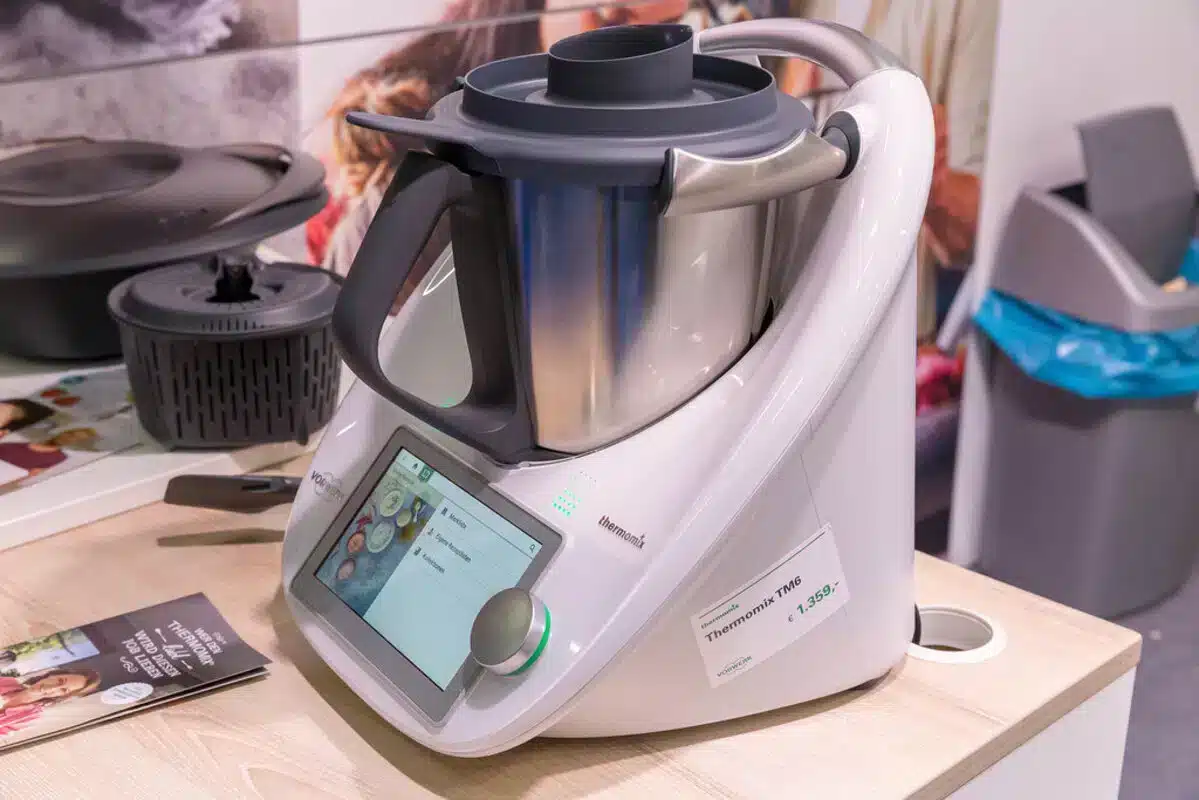
The question frequently arises among those considering the purchase of a high-end kitchen appliance: how long can a Thermomix truly last? A former Vorwerk advisor offers valuable insights into the durability and reliability of these iconic food processors. Elements such as regular maintenance, differences between models, and user feedback all play a role in understanding their actual longevity.
Comparing thermomix models: a story of longevity and evolution
The various generations of Thermomix illustrate an interesting journey in terms of product lifespan. Each new model introduces more advanced features and sleeker designs, yet buyers still wonder about their ability to withstand years of daily use. This curiosity is especially relevant given the significant investment required for these devices.
According to testimonials collected by former advisors, certain trends emerge, offering realistic expectations for those questioning whether this substantial purchase will remain reliable over time. The contrast between older and newer models highlights both continuity and change in the approach to durability.
How does the tm21’s impressive lifespan set the standard?
The TM21 enjoys a nearly legendary reputation for its remarkable longevity. Many owners continue to use their TM21 after more than 30 years, a testament to an era when planned obsolescence was less widespread. At that time, manufacturers prioritized robust construction, aiming for appliances that could serve several generations.
This exceptional track record reassures potential buyers, showing that with proper care, a Thermomix can provide decades of service. Former advisors often mention seeing machines from this period returning only for minor repairs or routine check-ups—further proof of mechanical resilience and strong customer loyalty.
Is the tm6 following the same path regarding reliability?
Turning to the more recent TM6 model, the situation evolves. As a relatively new product, there is not yet enough distance to fully judge its long-term durability. However, initial reviews and user experiences indicate a well-engineered device without major quality concerns. Components appear solid, and performance remains stable over several years of use.
While it is too soon for a direct 30-year comparison, early signs are promising. There is no clear evidence of planned obsolescence affecting this model, so many current owners feel confident that their investment will pay off for at least the next decade. Regular cleaning and attentive care further enhance the likelihood of extended functionality.
New generation, new challenges: what about the tm7 and accessory durability?
June marked the arrival of the brand-new TM7, offered at a premium price point. Understandably, recent buyers hope for the same robustness found in earlier models. Yet, the main difference now lies not with the core unit itself but with accessory durability.
Feedback from experienced users and former advisors highlights that certain accessories—especially the whisk and lid gasket—are more fragile and require replacement more frequently than the main appliance. Resorting to manufacturer advice and reviewing comparable kitchen practices, such as cooking times for smoked ham or other staples, reveals the importance of reliable accessories and consistent appliance results. While the central mixing block remains highly reliable, these supporting parts demand careful handling and occasional renewal to maintain optimal performance.
- Inspect the condition of the whisk regularly and replace it if any damage appears
- Monitor the silicone gasket to ensure a secure seal and avoid leaks
- Avoid overloading the bowl to reduce stress on moving components
- Handle attachments gently to extend their usable life
Adopting these simple habits helps maximize both value and practicality, even if some accessory replacements become necessary over the years. Using original parts also ensures compatibility and sustained reliability, reinforcing advice shared by many ex-advisors.
Why do thermomix knives tend to last so long?
One standout feature of all Thermomix models is the self-sharpening design of the blades. With continued use, the knives actually sharpen themselves, making frequent blade replacements unnecessary. Occasional servicing is sufficient to keep them operating efficiently, which contributes greatly to the appliance’s reputation for longevity.
Repair specialists frequently note that the blade assemblies rarely seize up or break under normal conditions. Proper cleaning after each use further supports ongoing reliability, ensuring consistent results for soups, doughs, and countless other recipes year after year.
Can end users count on after-sales support for repairs and servicing?
After-sales service represents another key aspect of the overall ownership experience. When breakdowns occur—such as issues with the TM5’s integrated scale—user feedback consistently praises the responsiveness of Vorwerk’s service network. Repairs are managed quickly and efficiently, providing reassurance despite the appliance’s high price tag.
The standard legal warranty lasts two years, with optional extensions available depending on region. Such coverage limits unexpected expenses and prolongs the useful life of the appliance. Many seasoned users and former advisors recommend opting for additional protection to further safeguard this investment.
Maximizing lifespan: smart habits every owner should adopt
While build quality is essential, everyday habits have a significant impact on how long a Thermomix will function reliably. All former advisors agree on certain best practices that help extend the lifespan of the device and its accessories.
Thoroughly clean removable components after each use to prevent residue from building up. Regularly inspect commonly used parts, such as the whisk and gasket, for early signs of wear. If unusual sounds or irregular movements arise during operation, pause immediately to investigate. Always favor certified repairs over improvised fixes to maintain safety and effectiveness.
- Keep the exterior dry after cleaning
- Avoid exposing the appliance to extreme heat sources
- Store accessories safely, away from sharp objects or heavy pressure
- Refer to official guides when trying advanced functions or recipes
User testimonials confirm that these proactive steps make a real difference. By adopting such routines, owners enjoy dependable home cooking for many years, even though periodic accessory replacements may be needed.
How do user experiences influence perceptions of durability and satisfaction?
User opinions are shaped by daily interactions and the reliability they observe. The higher the initial cost, the greater the expectation for lasting performance. Classic models like the TM21 are held in high esteem largely due to stories of trouble-free operation spanning twenty years or more.
At the same time, customers appreciate the technological advancements introduced with the TM6 and TM7. Efficient after-sales support and thoughtful warranty policies help foster trust and satisfaction. Both older and newer users agree that diligent maintenance is key to avoiding unpleasant surprises and extending the life of their appliance.
Is planned obsolescence really a concern for these kitchen icons?
There is sometimes skepticism about the true longevity of modern appliances, with concerns about planned obsolescence. However, reports from knowledgeable former advisors suggest that Thermomix devices are designed for reasonable service intervals, and deliberate obsolescence plays little to no part in their expected lifespan.
Even as accessories evolve and features multiply, the essential structure of the Thermomix remains robust. Owners can therefore consider this kitchen robot a genuine long-term partner, provided they follow sensible care and maintenance practices.