Lasagna night always brings comfort, but one essential question often arises: how long to cook lasagna at 350 degrees? Navigating the cooking time for this beloved layered dish can feel daunting. Knowing exactly when and how long to bake—whether using fresh or frozen ingredients—sets the stage for that irresistible slice with bubbling cheese and perfectly cooked layers.
Standard baking time for lasagna at 350 degrees
Baking lasagna at 350 degrees ensures even heating without risking dry noodles or overdone edges. For most recipes using pre-cooked meat, noodles, and prepared sauces, the recommended cooking time is 45-60 minutes in a preheated oven. This window allows all components to meld together while the cheese turns delightfully bubbly or browned across the top.
This temperature provides the right balance between melting cheese and gently warming sauce and pasta. Whether preparing a classic beef version, a vegetarian option, or something rich with ricotta and spinach, allowing enough time is crucial. Rushing could leave a cold center, so patience pays off for a perfect result every time.
Fresh vs. frozen lasagna: What changes?
Many keep a ready-made lasagna in the freezer for busy days, but the difference between frozen vs. fresh lasagna significantly affects cooking time. A dish straight from the refrigerator will heat much faster than one going from freezer to oven.
Understanding these timing variations helps guarantee a thoroughly cooked meal, avoiding undercooked centers or scorched tops. Being aware of which method suits the occasion makes it easier to plan ahead and enjoy consistent results.
Cooking fresh lasagna at 350 degrees
When working with fresh (never-frozen) lasagna, expect a typical bake at 350 degrees to last about 45-60 minutes. During this time, flavors blend beautifully and the pasta absorbs just enough moisture. It’s best to start with the dish covered with foil, keeping everything moist and preventing premature browning.
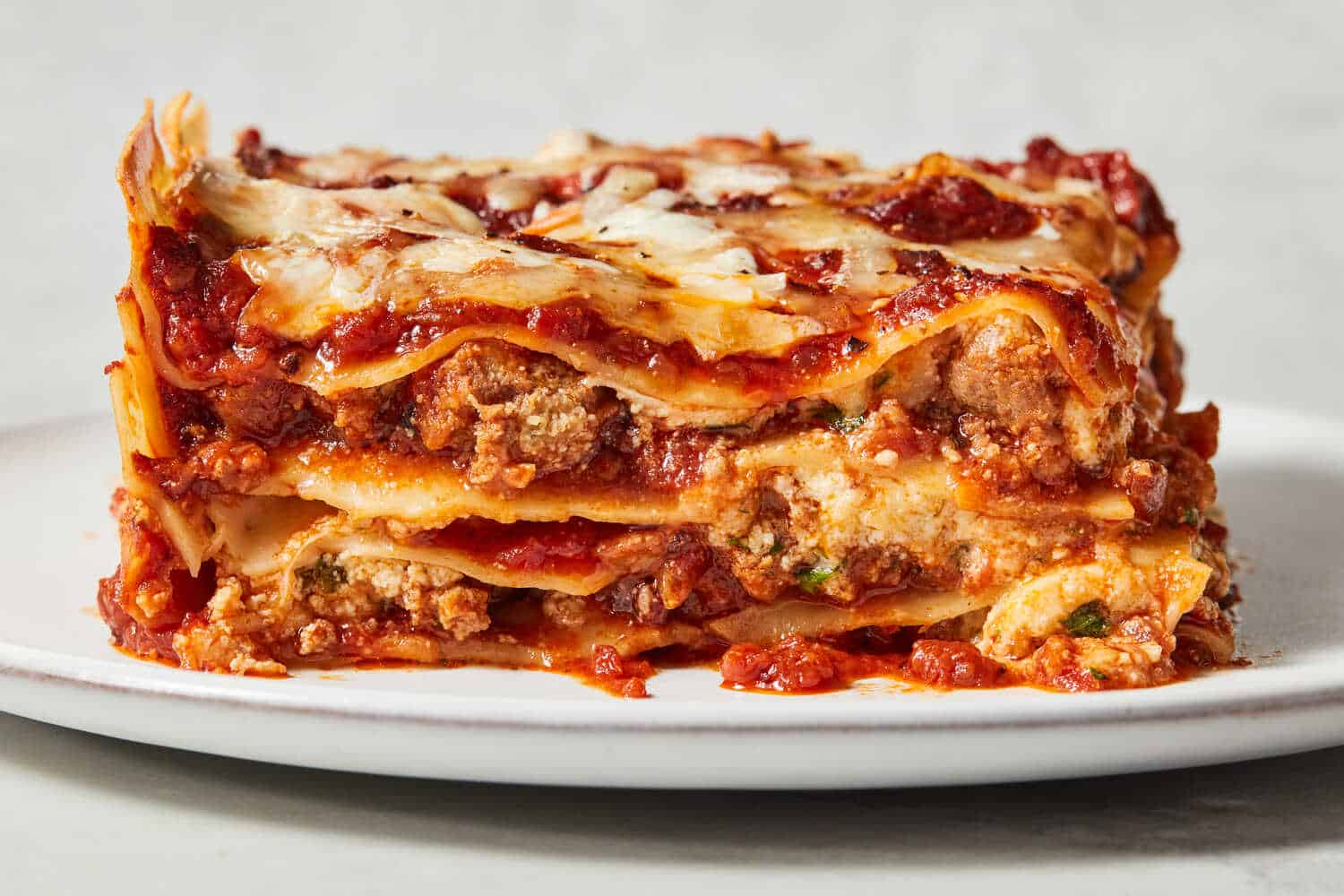
About halfway through, checking progress is helpful. Removing the foil for the final 10-15 minutes allows the cheese on top to brown perfectly, giving that iconic golden finish. Lasagna should come out steaming, with cheese bubbly or browned on the surface.
Cooking frozen lasagna at 350 degrees
If starting from frozen, plan for a longer process. The lasagna needs extra time to fully thaw and heat throughout, so the total cooking time increases to 75-90 minutes. Begin by keeping the dish covered with foil so it defrosts evenly and avoids burning before the inside heats up.
After around an hour, remove the foil to let the top develop color and texture. Always check internal temperature; reaching 165 degrees Fahrenheit in the thickest part means it’s safe and ready to serve. This careful approach ensures both food safety and delicious flavor in every bite.
Covering with foil: Why does it matter?
The advice to bake lasagna covered with foil serves more than tradition—it helps trap steam, softening noodles and stopping the cheese from over-browning too early. This technique keeps the interior moist during the bulk of the cooking time.
Near the end, removing foil lets heat caramelize the cheese topping for a restaurant-style finish. Only uncover to brown cheese once almost done; revealing the top too soon may cause dryness or scorching before the middle is fully heated. Timing this step delivers the perfect look and taste.
Factors influencing lasagna baking times
Every oven has its quirks, and certain factors can alter how long lasagna actually takes to bake. Elements like pan size, layering thickness, and whether ingredients are chilled or room temperature all play a role in the outcome.
Staying flexible and attentive offers better control and encourages experimentation. Noticing cues such as aroma, appearance, and especially the internal temperature leads to the most satisfying results.
Oven temperature variations: 350 vs. 375 degrees
While the standard recommendation is to bake at 350 degrees, some cooks choose to raise the heat to 375 for quicker results. Baking at 375 degrees can reduce the timeline to 35-45 minutes, but there’s a higher risk of unevenly cooked or dried-out edges. Close monitoring becomes essential at this setting.
If a recipe specifies one temperature but only another is available, adjusting both the oven temperature and baking duration can help strike the right balance. Consistency and attentiveness usually matter more than speed for dependable results.
Checking doneness: look, touch, and temperature
Several signs indicate when lasagna is ready. Visually, cheese bubbly or browned signals doneness, while a tempting aroma fills the kitchen. Gently pressing the center tests firmness; if it feels set, the dish is likely cooked through. For certainty, use a thermometer to check internal temperature—it should reach at least 165 degrees for safety.
Especially for versions containing dairy, meat, or eggs, confirming temperature guarantees a piping-hot meal and eliminates any guesswork. If unsure, simply return the pan to the oven until everything is just right.
Final touches after baking
Once out of the oven, resist the urge to cut immediately. Allowing lasagna to let cool before serving for 10-20 minutes helps slices hold their shape, making plating neater and more appetizing.
This short wait preserves structure, ensuring each piece stays intact with melted cheese and rich sauce. Flavors also continue to develop, enhancing both aroma and taste before the first serving reaches the table.
- Bake at 350 degrees for 45-60 minutes for fresh lasagna
- Frozen lasagna takes 75-90 minutes at the same temperature
- Keep the dish covered with foil at the beginning to retain moisture
- Uncover to brown cheese toward the end for a golden top
- Check internal temperature, aiming for 165 degrees for food safety
- Let cool before serving for clean slices and enhanced flavor