Cooking a smoked ham often raises questions about precise timing, ideal oven temperature, and important steps such as glazing or grill-roasting. To achieve a juicy interior with that irresistible smoky flavor, it is vital to understand the recommended minutes per pound, the correct internal temperature, and the necessary rest time. Smoked ham is a favorite for holidays or any special occasion, but knowing exactly how long to cook it remains essential for the best results.
This guide explores reliable methods to ensure every slice turns out tender and full of savory notes, whether reheating a fully cooked ham or preparing a double smoked ham on a pellet grill. These recommendations suit various types—bone-in, boneless, spiral-cut, or shank end—so confidence comes easily when serving any gathering.
Determining minutes per pound for smoked ham
Timing plays a crucial role in achieving moist, flavorful smoked ham. The required cooking duration depends greatly on the size and variety selected. Following expert advice on minutes per pound helps avoid dryness or undercooked areas.
Whole hams, half hams, and spiral-cut options each benefit from slightly different approaches, so most guidance focuses on average times. Using a solid rule of thumb sets up success, especially for those new to roasting ham at home.
- Fully cooked smoked ham (bone-in): 12–15 minutes per pound at an oven temperature of 325°F
- Fully cooked smoked ham (boneless): 10–12 minutes per pound at 325°F
- Fresh or uncooked smoked ham: 20–25 minutes per pound at 325°F
For a double smoked ham or when reheating using a pellet grill, cooking times may be shorter due to convection and direct heat. Regardless of method, adhering to the right formula ensures every guest enjoys slices that are both juicy and thoroughly heated.
Why internal temperature matters?
No matter which technique gets used, reaching the proper internal temperature is the safest way to guarantee quality and food safety. Even if one follows the suggested minutes per pound, only a thermometer confirms safe doneness.
Insert the probe into the thickest part of the meat, making sure it does not touch bone. This provides a precise measurement, allowing each smoked ham to turn out consistently delicious.
Safe internal temperatures for different smoked ham styles
A fully cooked ham should be reheated until the internal temperature reaches at least 140°F. This standard meets most food safety guidelines while producing a succulent texture. For fresh or partially cooked smoked ham, aim for an internal temperature of 145°F before serving. Always allow enough time for carryover heat during the rest time, which further enhances both safety and tenderness.
Even for a double smoked ham, these benchmarks remain essential. Avoid relying solely on appearance—the risk of undercooking outweighs any convenience. Quick temperature checks remove any uncertainty.
The importance of rest time after cooking
Allowing the ham to rest once the desired temperature is reached pays off. Resting lets juices redistribute throughout the meat, ensuring each bite stays moist instead of losing moisture upon slicing. Recommended rest time ranges from ten to twenty minutes, depending on the size of the ham.
Loosely tent the smoked ham with foil during this phase. This retains heat without trapping excess steam, keeping the crust or glaze intact. Slicing too soon could undo all the careful preparation, so patience truly rewards the effort.
Oven baking vs. pellet grill: Which cooking method to choose?
Two popular approaches deliver outstanding results for smoked ham: classic oven baking and pellet grill roasting. Each method produces unique flavors and textures, letting cooks adapt based on equipment and personal taste preferences.
Adjusting time and temperature between these techniques ensures nothing gets overlooked. Regardless of the chosen path, core principles stay the same: maintaining a steady oven temperature, monitoring with a thermometer, and adding finishing touches like glazing.
Oven baking instructions for smoked ham
An oven offers even heating and precise control over both temperature and glaze application. Preheat the oven to 325°F and plan according to the recommended minutes per pound. Place the ham cut side down in a roasting pan and tent loosely with foil for the initial stage. Apply a glaze during the final 20–30 minutes for a beautiful finish and extra sweetness.
When working with spiral-sliced ham, consider basting more often. Glaze can seep between layers, intensifying flavor without drying out the pre-cut sections.
Grill-roast and double smoking on a pellet grill
For deeper smoke flavor, the pellet grill shines. Position a pre-cooked ham directly on the grate or use a shallow aluminum tray. Smoke at 225°F to 250°F for two to three hours, targeting the recommended internal temperature. Pursuing a true double smoked ham brings added complexity, thanks to more exposure to aromatic wood pellets.
Glaze in the last 30 minutes, brushing it on periodically. This step creates a caramelized layer, blending savory and sweet in every bite. Indirect heat also limits drying, making this approach particularly effective for larger or bone-in cuts.
Glazing and finishing touches for smoked ham
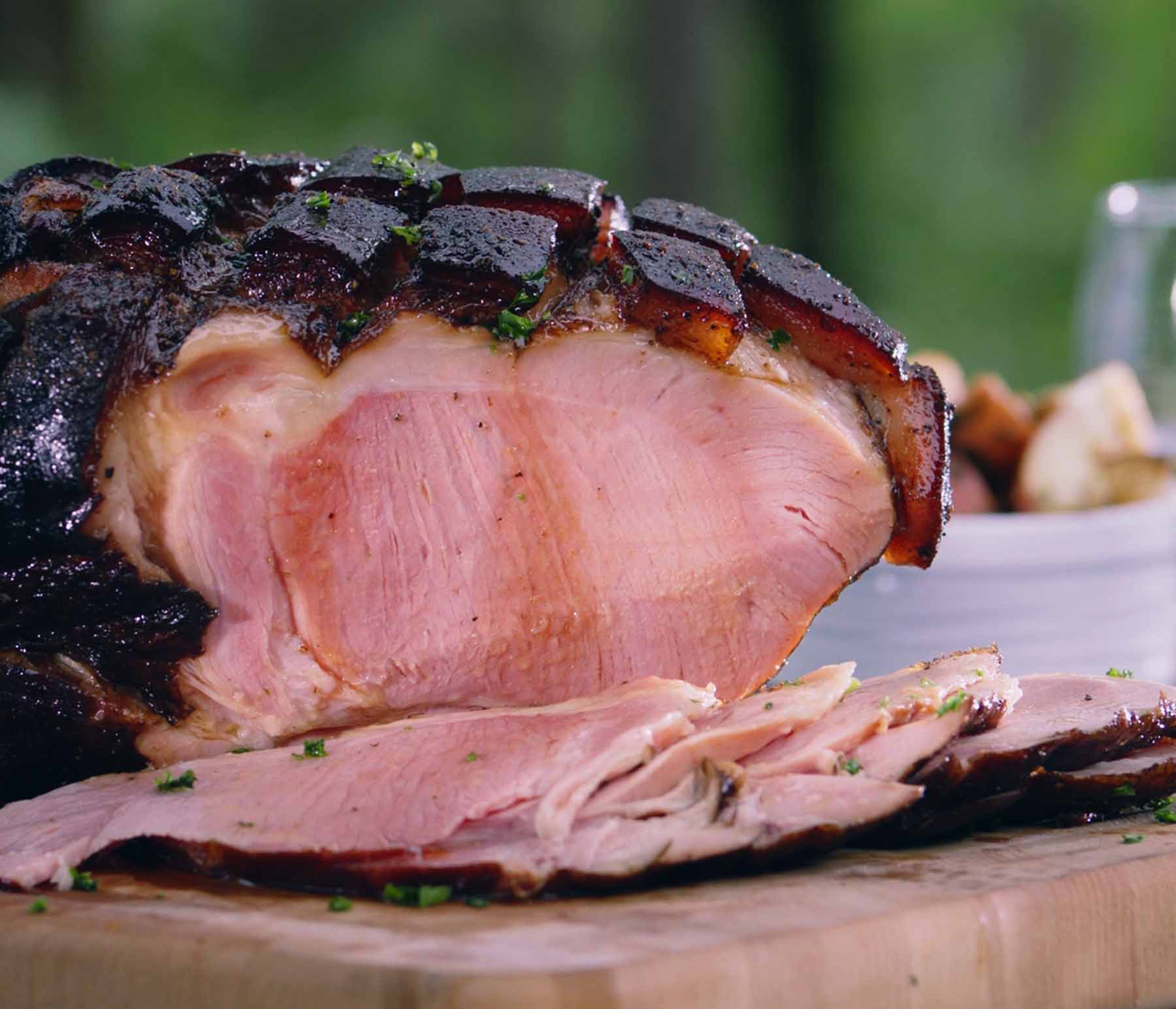
Few aromas compare to a perfectly glazed smoked ham. Whether using brown sugar, honey, mustard, or pineapple juice, the glaze boosts visual appeal and introduces layers of flavor. The sticky exterior contrasts beautifully with the smoky, savory interior.
Basting during the last portion of cooking or grilling prevents sugars from burning and achieves a shiny, lacquered finish. Stay attentive and reapply as needed for maximum shine and depth.
- Classic glaze recipes combine brown sugar and Dijon mustard
- Fruit-based glazes create tangy brightness to balance smokiness
- Layered application builds a flavorful crust while highlighting the natural pork flavor
Smoked ham reaches its peak when topped with a signature glaze or given additional time on the grill. When combined with attention to minutes per pound, internal temperature, and proper rest time, every detail works together for a memorable meal.