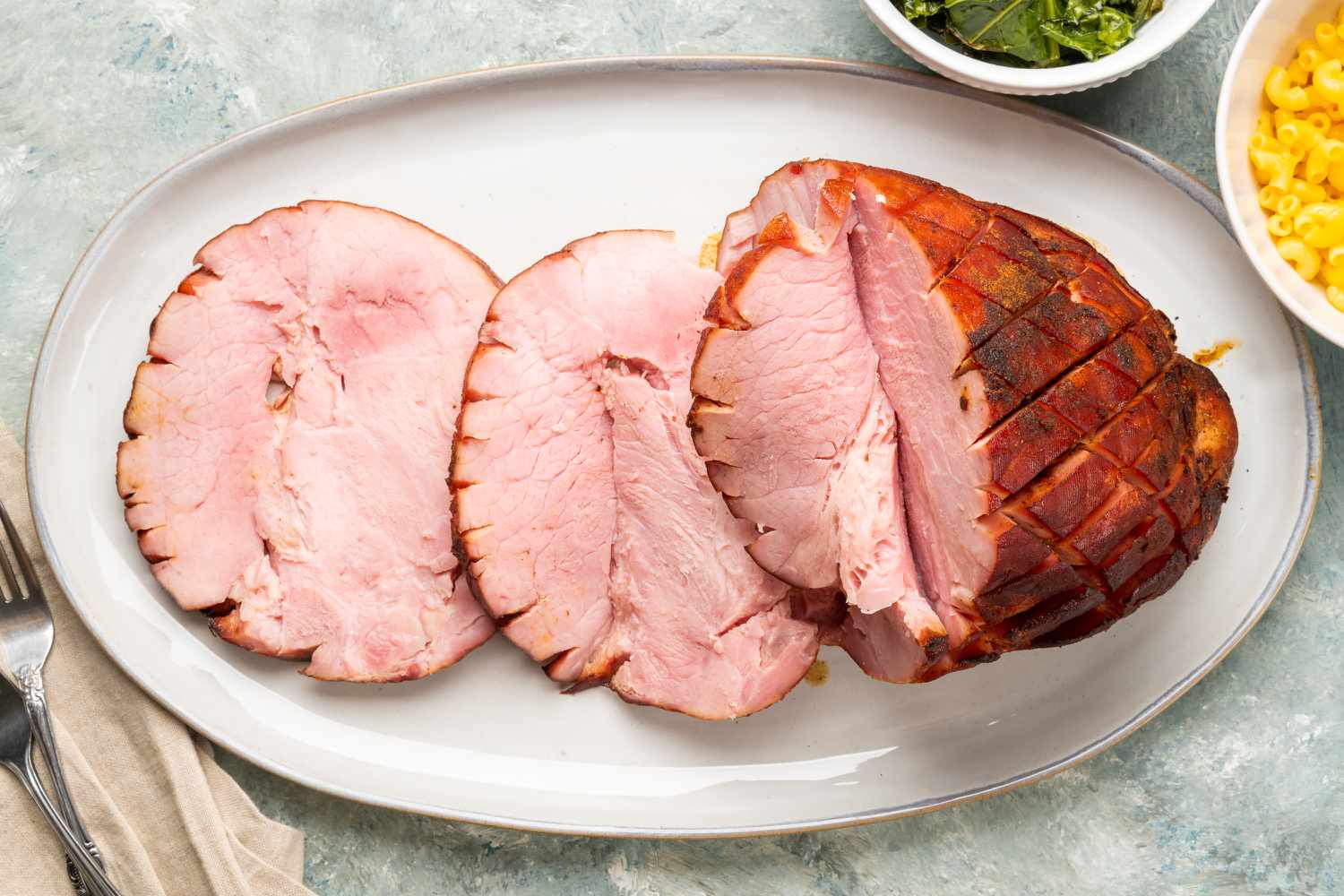
A kitchen filled with the savory aroma of a roasting ham often signals a special meal ahead. When preparing a precooked ham, the objective is not to fully cook raw meat, but rather to reheat it safely and bring out its best flavor. Questions frequently arise about oven temperature, minutes per pound, and how to achieve the ideal internal temperature, whether working with a spiral ham or a classic cut. Paying attention to these details helps ensure every slice turns out juicy, warm, and worthy of being the centerpiece at any gathering.
Understanding precooked ham
Most hams labeled as “precooked” have already been smoked or baked before reaching store shelves. Selecting this type saves time during preparation, though there are still important steps for serving it safely—especially when it comes to proper reheating and enhancing flavor. Warming the ham gently preserves its texture and allows any glaze to caramelize perfectly, making the presentation even more appealing.
These hams come in various sizes and styles, from bone-in to boneless. While each may need slight adjustments in timing based on shape and fat content, their essential heating requirements remain quite similar. Adhering to fundamental guidelines ensures delicious results across all varieties.
Key factors affecting reheating time
The right timing for reheating a precooked ham depends on several key variables. Considering these factors carefully guarantees even heat and irresistible tenderness throughout the roast.
To determine how long to reheat a ham, both the weight and the specific cut provide crucial guidance. The way the oven is set up and closely monitored also plays a significant role in the final result.
Bone-in vs boneless ham: What difference does it make?
Bone-in hams tend to deliver extra moisture and richer flavor, thanks to the bone’s ability to retain heat. These cuts usually require a bit more time to reheat compared to boneless hams. With boneless options, the heat penetrates evenly, offering a straightforward reheating process that can be especially reassuring for those less experienced in ham preparation.
Spiral ham, which keeps its bone while being pre-sliced, provides convenient servings and speeds up reheating. However, because the slices expose more surface area, the outer parts may dry out if overheated or left uncovered for too long in the oven.
Oven temperature: Finding the sweet spot
Selecting the correct oven temperature makes a big difference between a succulent ham and one that becomes tough. An ideal range is typically between 275°F and 325°F, depending on personal preference and available time. Lower settings allow for gentle heating, helping prevent dryness in delicate spiral or lean boneless hams.
Using steady, low heat gives plenty of time for glazes or spices to meld beautifully with the meat. This approach lets the surface slowly caramelize without burning, resulting in a rich and flavorful finish.
Calculating minutes per pound
The most trusted method for figuring out how long to cook a precooked ham is by following the minutes per pound guideline. Most sources recommend about 10 to 15 minutes per pound at an oven temperature of 325°F. This simple calculation enables easy planning so that side dishes and mealtime can be coordinated smoothly.
For example, a five-pound boneless ham will generally need approximately 50 to 75 minutes, while a bone-in version of the same weight might benefit from the longer end of that range. Monitoring the internal temperature throughout the process helps avoid overcooking or undercooking.
- Boneless ham: 10-12 minutes per pound (at 325°F)
- Bone-in ham: 12-15 minutes per pound (at 325°F)
- Spiral ham: 10-12 minutes per pound (at 275°F or 300°F), covered tightly with foil
Covered vs uncovered: Which works best?
Deciding whether to keep the ham covered or uncovered influences its aroma, juiciness, and texture. Wrapping the ham in foil or covering the roasting pan with a lid traps steam, preserving moisture as the ham warms through. For spiral or boneless hams, keeping the dish covered until near the end of cooking helps maintain tenderness and prevents drying.
If applying a glaze, remove the cover during the last 15 to 20 minutes of baking to encourage browning and intensify flavors. It is important to watch closely during this stage, since sugars in the glaze can burn quickly if exposed to excessive heat. Striking the right balance between covered and uncovered ensures a beautiful crust without sacrificing the moist interior.
Internal temperature and checking doneness
While the “minutes per pound” guideline offers helpful direction, only an accurate internal temperature reading truly confirms safety and quality. Aim for a finished temperature of 140°F for precooked ham, as recommended by the USDA, to eliminate bacteria and guarantee the meat is heated through.
Insert a digital thermometer into the thickest part of the ham, steering clear of any bones. When reheating sliced pieces, check several spots to confirm all sections reach the target temperature. Consistent readings across the roast indicate thorough, even heating.
Enhancing flavor: Glazing tips and tricks
Applying a glaze brings sweetness, spice, and a glossy look to holiday ham. Classic choices include brown sugar, Dijon mustard, maple syrup, or honey, but countless variations can suit different occasions. Start by brushing half the glaze onto the ham during the last 30 to 40 minutes of reheating, then add the remainder after uncovering to let it caramelize nicely.
Line the roasting pan with foil for easier cleanup and smooth basting. Handle glazing with care to prevent burning sticky ingredients along the hotter edges of the pan. Baste regularly for multiple layers of flavor that complement the meat’s natural savoriness.
- Brush glaze in stages to build thicker coverage
- Add extra spices for complexity or a touch of heat
- Finish briefly under the broiler for a crisp top—watch carefully!
Resting time: Letting flavors settle
After the ham reaches the desired internal temperature, remove it from the oven and tent it loosely with foil. Allow it to rest for 10 to 20 minutes before slicing. This brief waiting period lets juices redistribute, ensuring each piece remains moist and flavorful.
Skipping the resting time may cause precious juices to escape, leaving the main course drier than intended, regardless of careful reheating. Exercising patience here pays off, as everyone gathered around the table enjoys a mouthwatering first bite.