
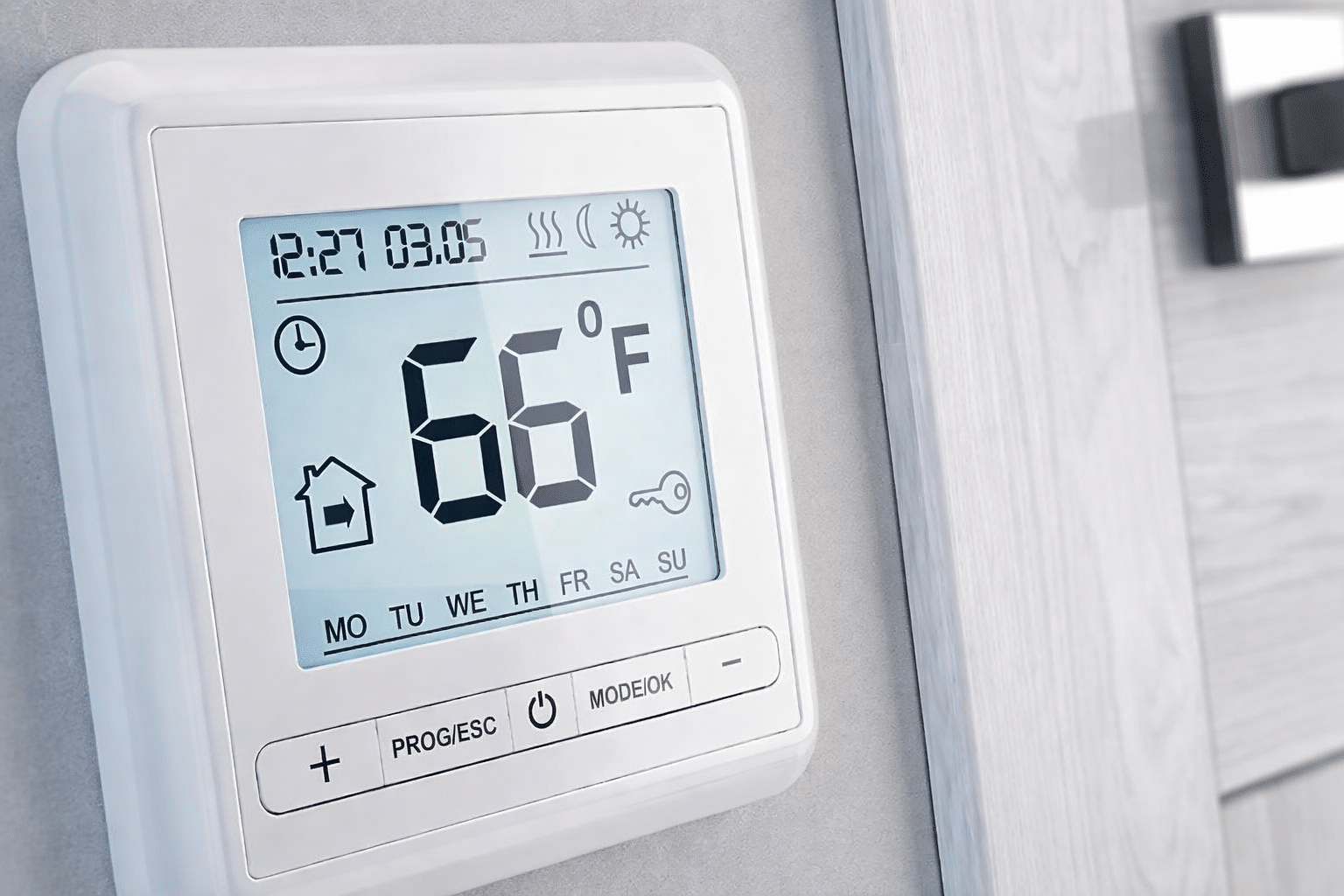
When winter sets in, many wonder what the ideal indoor temperature in winter should be. Experts warn against heating homes excessively—not just to save money, but also for health and environmental reasons. While 66 °F is often seen as a middle ground between comfort and thriftiness, current expert recommendations suggest a slightly higher setting, paired with simple strategies to keep energy bills low while maintaining a cozy atmosphere.
Recommended temperature ranges for comfort and savings
Expert advice highlights the balance between comfort versus energy savings during colder months. Heating remains one of the largest household expenses, so finding the right thermostat settings and adjustments can significantly impact monthly costs. Rather than defaulting to 66 °F, specialists now recommend aiming for 68 °F when at home during the day. This level provides sufficient warmth without unnecessary spending.
Each degree above this baseline increases heating costs by about 7%. That is why it pays to keep a light hand on the thermostat. Adopting room-specific temperature settings is key: bedrooms and less-used spaces do not need to be as warm as living rooms. At night or when away, reducing temperatures to 59-61 °F—and even down to 57 °F if absent—delivers further energy efficiency and tangible cost savings.
Why 66 °F is not always the best choice
Lowering the heat to 66 °F might seem effective for cutting expenses, but it can compromise comfort for many residents. Chilly evenings become common, especially if staying up late. The recommended temperature range from experts usually spans 16-21°C (about 61-70 °F), depending on preferences and room usage.
The focus is on adopting smart heating habits. Maintaining 68 °F in occupied living areas and dropping to 59-61 °F overnight—or as low as 57 °F during absences—helps protect both the budget and well-being. Using thick blankets at night makes these cooler settings manageable and minimizes wasted heat while sleeping.
Applying room-specific temperature settings effectively
Not every area in the home requires high heat. Living rooms benefit most from 68 °F due to frequent use, offering comfort where it matters most. Bedrooms generally tolerate lower temperatures, particularly with proper bedding. For bathrooms, experts suggest warming them before showers and lowering the heat afterward.
Unused spaces like spare rooms or hallways can be kept cooler. Slightly reducing the temperature in these zones leads directly to improved energy efficiency without sacrificing overall comfort. This targeted approach helps fine-tune thermostat adjustments throughout the entire home.
Smart solutions: How modern thermostats optimize energy use
Recent technological advances have transformed the way households manage indoor climate. Smart thermostats provide flexible, automated temperature control tailored to daily routines. With remote access via smartphone and real-time adjustment capabilities, these devices prevent unnecessary heating whenever the house is empty.
Unlike traditional dials or basic programmable units, connected thermostats analyze usage patterns and adapt based on weather conditions. They ensure optimal comfort while maximizing cost savings and energy efficiency. Studies consistently show that homeowners enjoy higher satisfaction and reduced utility bills after installing these systems.
Main benefits of using smart thermostats
The advantages of smart thermostats are clear. Their convenience stands out: adjusting the temperature remotely means no more forgotten changes or needless energy waste. Customization allows for precise, room-by-room management, adapting the climate for activities like working from home or entertaining guests.
Another notable feature is the ability to schedule temperature drops at night or during absences. The system raises the heat automatically before returning or waking, ensuring welcoming warmth in main living spaces. These features support the recommended temperature for living rooms and kitchens, combining comfort with efficient operation.
How optimizing with smart thermostats boosts savings
By leveraging data-driven learning, smart thermostats enable exact temperature regulation. Avoiding manual overcorrections prevents costly spikes in energy consumption. Consistent use of programmed schedules, along with strategic use of warm bedding, allows for comfortable nighttime setbacks into the 59-61 °F range without discomfort.
Regular reviews of energy reports provided by connected systems encourage small, ongoing improvements. These incremental adjustments soon become second nature, leading to sustained progress toward maximum efficiency and substantial economies over time.
Practical steps for better winter heating at home
Adopting small, regular changes lies at the heart of achieving true energy efficiency. Following expert guidance transforms both comfort levels and household expenses. Setting central heating to 68 °F when occupied, then responsibly lowering it after hours, maintains stability and shields budgets from harsh winter costs.
Integrating smart controls streamlines the process further. Automated systems reduce user error and help establish healthy routines intuitively. Paired with accessories such as warm blankets or thermal curtains, these updates allow anyone to reach the ideal indoor temperature in winter and maximize cost savings—all with minimal effort.
- Set temperature for living rooms at 68 °F during active hours
- Lower heat to 59-61 °F during the night or absences
- Use appropriate blankets and bedding for extra warmth
- Install and configure a smart thermostat for automated climate management
- Adjust room-specific temperature settings according to usage
- Monitor energy consumption regularly to identify opportunities for improvement