
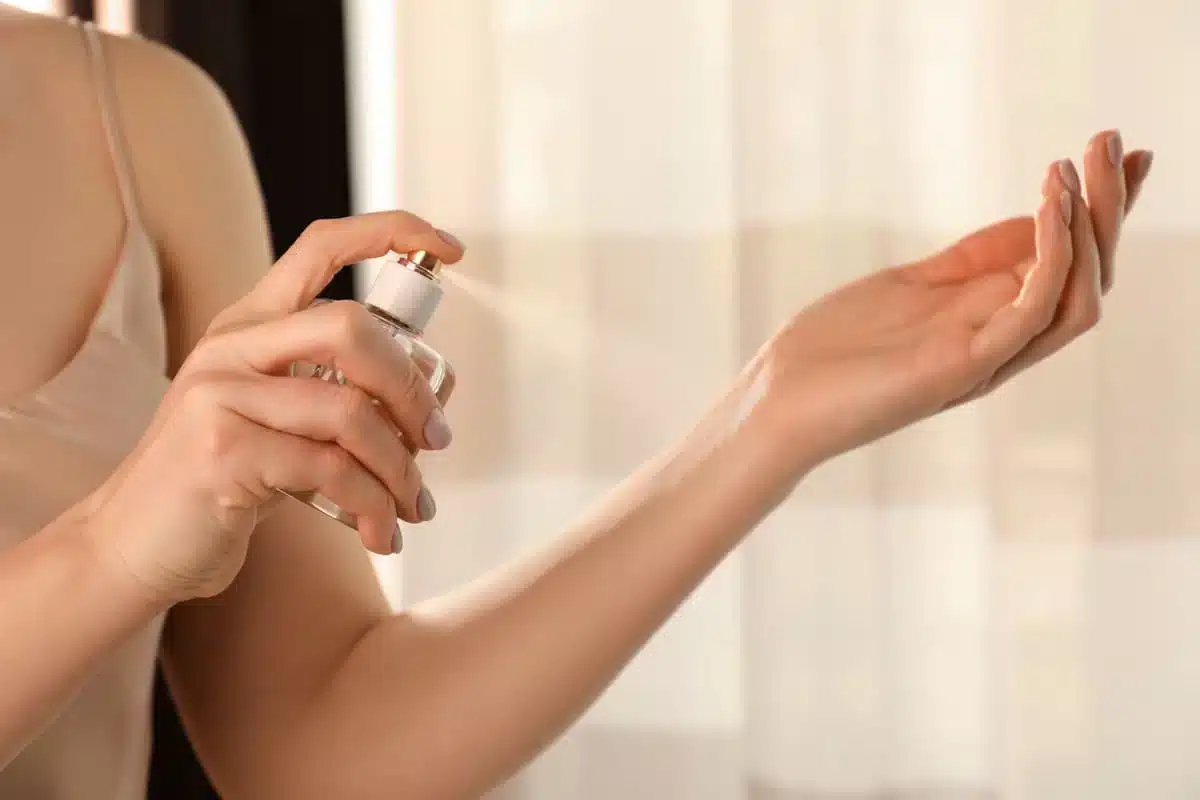
A perfume is much more than just a pleasant scent—it can be a true extension of one’s personality, reflecting individual tastes, energy, or even an air of mystery through carefully chosen notes. However, maintaining that fragrance longevity throughout the day often proves challenging. The culprit is rarely the perfume itself; instead, the skin’s nature and daily habits play a decisive role. With thoughtful adjustments, it becomes possible to enjoy a signature aroma from morning until evening without constant reapplication or overwhelming intensity. By understanding why common gestures—such as deciding to rub wrists together or excessively spraying on pulse points—should be avoided, one unlocks the secret to a longer-lasting olfactory trail.
Understanding why perfume fades throughout the day
Even the most luxurious bottle does not guarantee hours of lasting power. Several subtle factors influence how well a scent lingers. Recognizing these elements allows anyone to maximize fragrance effectiveness without switching products repeatedly.
The primary variable is not the formulation but the condition of the skin. Oily skin naturally retains odors better due to its oils, while dry skin causes scents to evaporate quickly. Environmental conditions such as sweating or humidity further reduce projection before midday. Fortunately, adapting application technique and skin care can significantly enhance results in almost any situation.
Perfume application mistakes to avoid
Certain everyday actions can undermine the staying power of even the finest perfumes. Areas like the wrists or neck are traditional favorites, but the way perfume is applied there often diminishes its effect. Altering just a few steps can make a noticeable difference in how a beloved scent develops and endures.
Why never rub wrists together?
One widespread error is rubbing wrists after applying perfume. This movement generates friction and heat, which disrupts the molecular structure and breaks down top notes. The outcome? Reduced projection and a shorter-lasting trail, sometimes even altering the fragrance itself. For those seeking an authentic experience, it is best to avoid friction entirely after spritzing.
Should perfume be sprayed on the neck?
Many reach for the neck or décolleté out of habit, hoping for both intimacy and improved wear time. Yet, frequent sprays on these exposed areas can lead to faster evaporation and occasional irritation because of alcohol content. Movement and sweat accelerate disappearance even more.
Experts suggest reconsidering these classic zones. If choosing to apply there, moderation is key—using minimal product and avoiding touch-ups helps maintain consistency and prevents waste.
The foolproof trick: apply on hydrated or moisturized skin first
Perfume adheres far better to something slightly oily than to dry skin. For this reason, the ideal base is not bare skin but hydrated or moisturized skin. Applying a neutral cream or a light layer of vaseline at pulse points provides extra grip, slowing down evaporation and enhancing longevity.
This quick step does not alter the original scent, as unscented bases do not interfere with perfume ingredients. Transforming the skin into a receptive canvas amplifies both intensity and duration. Anyone frustrated by fleeting aromas will notice a dramatic improvement with this method.
- Apply a small amount of neutral lotion or vaseline where the fragrance will be placed.
- Allow it to absorb for a moment before adding perfume.
- Target strategic locations: inside elbows, behind ears, and the back of knees—not only wrists or neck.
This approach not only extends endurance but keeps the sillage refined, preserving every note’s intended character from start to finish.
On days with low humidity or particularly dry skin, layering moisturizer is essential. It creates a barrier against environmental effects, increasing resilience. Those with oily skin already benefit from natural retention but can still gain from selective moisturizing in specific spots.
Strategic areas for maximizing fragrance effectiveness
Lasting scent involves more than simply picking the right perfume. Placement matters just as much, especially when exploring lesser-known pulse points and advanced techniques. A personal cloud of aroma follows discreetly, regardless of air conditioning or outdoor breezes.
Pulse points beyond wrists and neck
Pulse points are naturally warm areas where blood flows close to the skin’s surface. Locations such as behind the knees, inside the ankles, or along the collarbones release subtle hints of fragrance whenever warmed by movement or covered by clothing. This ensures even diffusion and sustained freshness throughout the day and evening.
Applying perfume to these overlooked places minimizes overexposure, keeping favorite scents mysterious and sophisticated. A light mist is sufficient, as too much can overwhelm. Experts recommend rotating between several pulse points for optimal staying power.
Can perfume last longer on clothes?
Clothing holds scent differently than skin and can help buffer against rapid fading. Fabrics like cotton or wool preserve the original composition, while synthetics may trap or distort certain notes.
However, caution is necessary: some formulas may stain delicate materials. To avoid marks and ensure balanced presence, spray from a distance and never saturate fabric. Subtlety is crucial for maintaining both elegance and garment integrity.
Other tips to extend fragrance longevity
Beyond application and location, proper storage is vital for maintaining a perfume’s brilliance over time. Even the finest blend loses potency if kept under poor conditions, negating other careful efforts.
Always store bottles in a cool, dark place away from moisture and direct sunlight. Bathrooms, notorious for heat and humidity, cause fragrances to deteriorate faster and lose their unique character. Shelving perfumes elsewhere protects their composition and guarantees peak performance with every use.
- Select a shelf or drawer outside the bathroom for storage.
- Seal bottles tightly after each application.
- If possible, keep perfumes in their original boxes to shield them from light.
Eau de parfum typically offers greater staying power than eau de toilette, so choose concentration wisely depending on the occasion or length of day ahead.
In summary, careful preparation, gentle handling, and mindful storage transform fragrance application into a rewarding ritual—one that surpasses the fleeting burst of ordinary sprays and leaves a memorable impression from dawn until dusk.