When looking to create a warm and inviting interior, many households turn to carpets and rugs for extra comfort and style. However, while these decorative elements seem harmless, they can actually aggravate humidity in the home if not chosen carefully. Understanding which materials tend to retain moisture and why this matters is essential to preventing air quality issues and health problems linked to mold and mildew.
Why do carpets and rugs aggravate humidity in the home?
A humid indoor environment may initially appear to be a minor inconvenience, but in reality, it creates ideal conditions for numerous complications. High levels of humidity promote the accumulation of moisture, particularly on surfaces that dry slowly—such as carpets and rugs. These coverings often trap water and prevent efficient drying, especially when ventilation is limited.
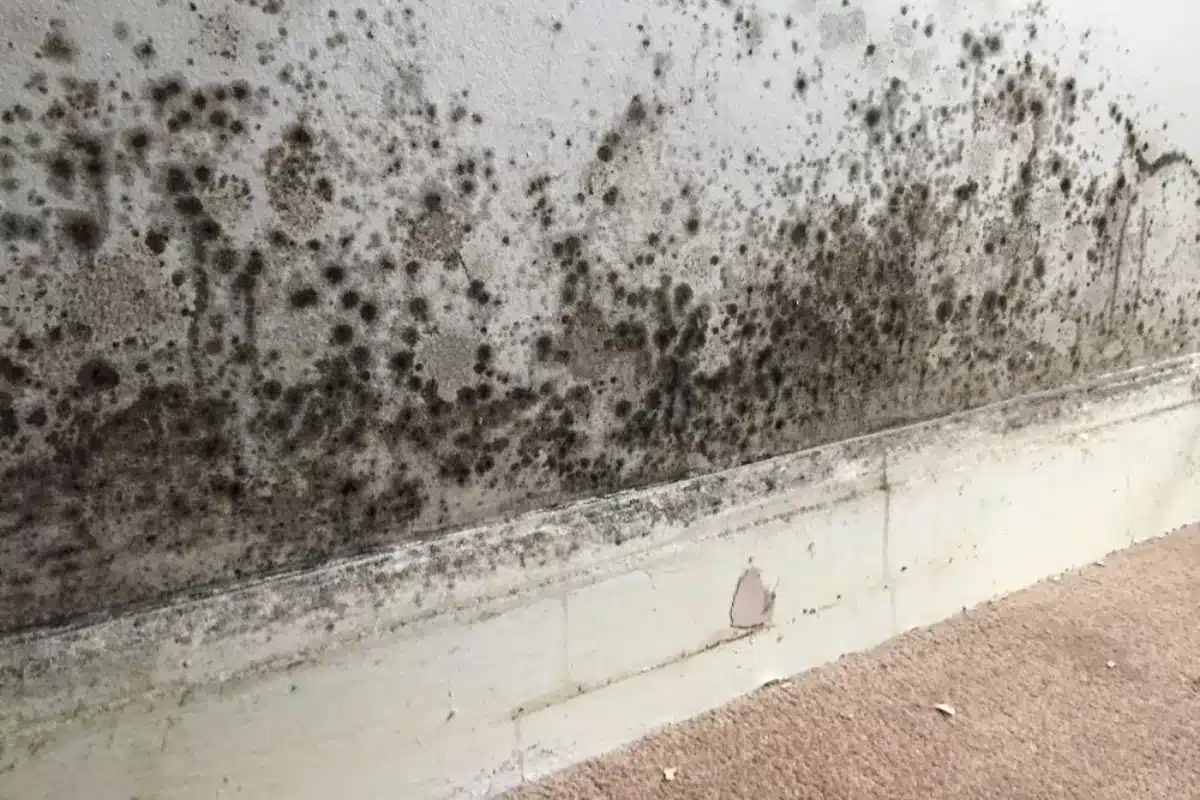
Certain types of floor coverings are more prone to retaining water vapor, making it challenging for the subfloor beneath to dry adequately. This situation can lead to damage to carpets, visible stains, and even encourage the growth of mold and mildew. In areas like basements or bathrooms where air circulation is already poor, the risks are even greater, potentially resulting in respiratory issues and other health concerns.
Which types of carpets and rugs should be avoided in humid homes?
Not every carpet or rug responds the same way to excess humidity. Some materials absorb and retain much more moisture than others, worsening existing dampness. Knowing which options to avoid helps limit potential damage and supports better indoor air quality.
Why are cotton carpets risky?
Cotton carpets are appreciated for their softness, yet their highly absorbent nature makes them a problematic choice in humid environments. Cotton acts almost like a sponge, soaking up water from spills or condensation. The result is often visible stains, persistent odors, and an increased risk of mold and mildew development.
Prolonged exposure to moisture can degrade cotton fibers, leading to both unsightly wear and reduced durability. Beyond affecting appearance, this deterioration contributes to health problems, particularly for those sensitive to allergens or with respiratory vulnerabilities.
How do synthetic carpets handle moisture?
Synthetic fibers such as polyester and nylon are often chosen for their durability and ease of cleaning. However, in the context of humidity in the home, these carpets present unique challenges. Their tightly woven structure tends to block evaporation, causing trapped moisture to linger beneath the surface.
This lack of breathability prevents quick drying after any water intrusion. Over time, ongoing dampness can compromise both the look and safety of floors, providing an ideal environment for mold and mildew to flourish and increasing the risk of respiratory issues.
What signs show that carpets are trapping too much humidity?
Certain warning signals indicate that carpets and rugs are contributing to excessive indoor moisture. Recognizing these early allows prompt action to avoid further health problems or structural damage.
If a room consistently smells musty despite regular cleaning, carpets may be to blame. Other indicators include discoloration, stubborn stains, or soft, spongy spots underfoot. Residents might also experience frequent sneezing, coughing, or aggravated asthma symptoms due to poor air quality caused by hidden mold within flooring.
Prevention and solutions: how can unwanted moisture be controlled?
Managing humidity in the home involves smart choices regarding floor coverings and adopting preventive measures. These strategies reduce the risks associated with dampness and help maintain a healthier living space.
What materials are better suited for humid environments?
Naturally derived mats such as jute or sisal provide practical alternatives. These natural fibers allow rapid evaporation, discouraging prolonged dampness and rarely supporting the spread of mold and mildew. They bring texture and warmth without the drawbacks of high moisture retention.
These sustainable options are also known for their durability and lower maintenance requirements. Opting for flat-weave designs instead of thick, plush rugs further increases airflow, accelerating drying and reducing potential damage to carpets and underlying floors.
Why use underlays or pads that circulate air?
The right installation adds another layer of protection. Choosing a breathable underlay or pad designed to enhance air circulation between the rug and the floor prevents the buildup of condensation. Improved airflow keeps everything drier and less susceptible to musty odors or permanent staining.
Some modern underlays feature antimicrobial treatments, offering an added defense against microorganisms in damp settings. Combined with regular vacuuming, these efforts help to minimize humidity-related complications indoors.
How do care and cleaning routines contribute to prevention?
Consistent maintenance is crucial in preventing negative effects from accumulated moisture. Regularly shaking out, washing, and airing rugs outdoors ensures that trapped water evaporates before mold can develop.
Additional habits such as keeping windows open when possible, using dehumidifiers, and quickly addressing spills further protect indoor spaces. A simple checklist includes:
- Vacuuming carpets and rugs frequently
- Airing out mats outdoors periodically
- Placing rugs in sunlit areas whenever feasible
- Using fans or air conditioning to boost ventilation
- Cleaning spills and stains promptly, ensuring full drying after treatment
Together, these actions create an environment far less attractive to mold spores and dust mites, maintaining safer air quality.
Can carpets still be enjoyed without aggravating humidity issues?
For those who appreciate the warmth and charm of carpets, there is no need to give them up entirely. With thoughtful selection, attentive placement, and routine maintenance, it remains quite possible to enjoy all the benefits of carpets and rugs without worsening humidity in the home.
Choosing low-absorbency natural fibers, improving airflow with modern underlays, and staying alert to sources of indoor moisture all contribute to better air quality and reduced risk of respiratory issues. By taking these simple steps, every household can benefit from a comfortable atmosphere that remains healthy and welcoming.