
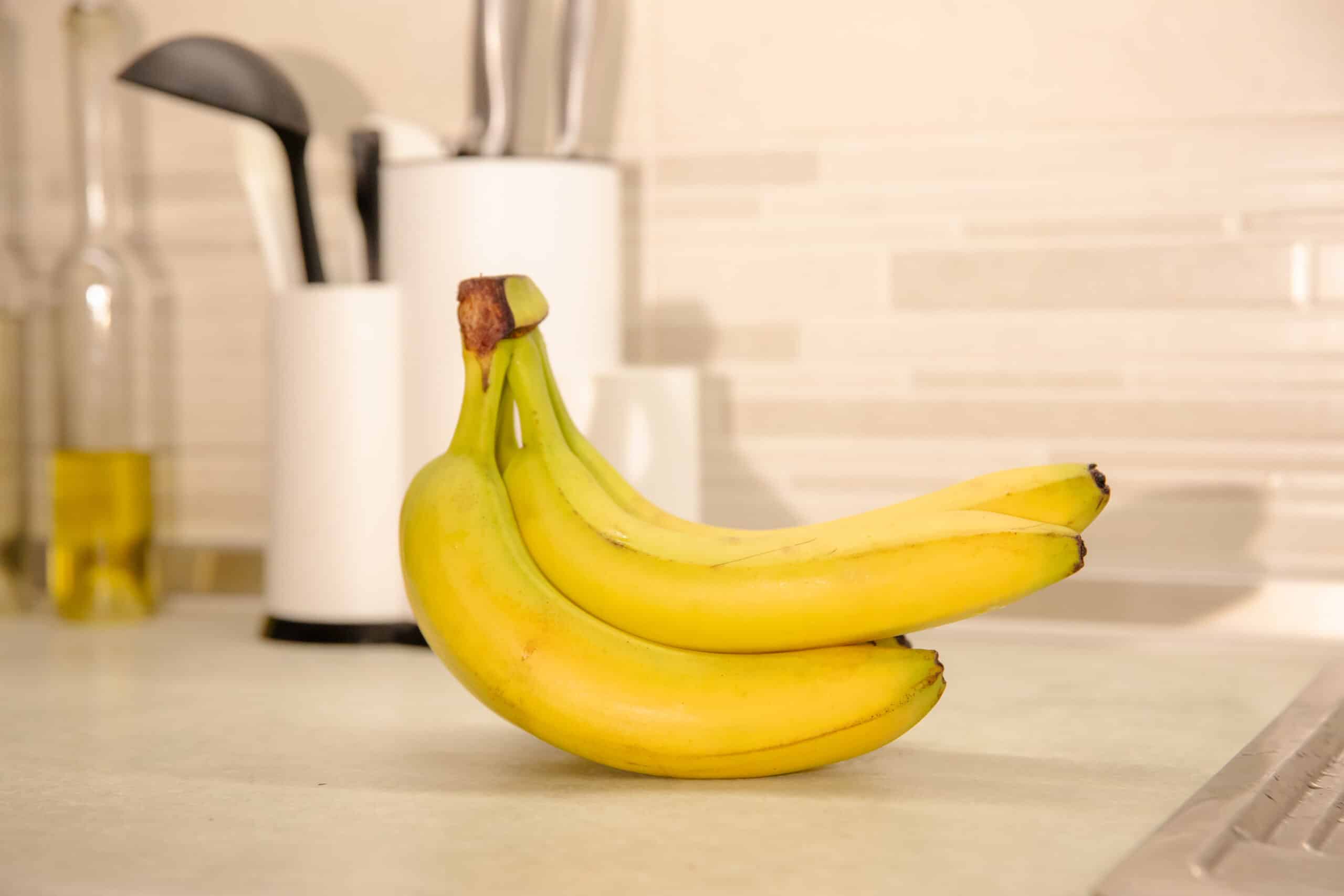
Among the most convenient fruits for snacks or breakfast, bananas often disappoint by turning brown and mushy far too quickly. Anyone who brings home a fresh bunch knows the frustration of seeing them go from firm and yellow to dark and overripe in just a few days. There is increasing interest in banana storage methods that actually work—solutions that keep bananas appealing and edible well beyond their usual lifespan. With a focus on ethylene gas management and one straightforward trick, it becomes possible to extend freshness by up to 10 extra days. Here’s how to make that happen.
Why do bananas ripen so fast?
The rapid ripening of bananas is closely tied to ethylene gas, a natural plant hormone produced as fruits mature. Bananas stand out among fruits for releasing especially high amounts of ethylene, which triggers the conversion of starches into sugars. This makes the fruit sweeter, but at the same time, leads to softening and eventual browning or blackening.
Ethylene production is concentrated at the stem—the very top of each banana. As gas accumulates here, the process of browning and softening accelerates, resulting in fruit that quickly loses its firmness and color. Recognizing this, attention turns toward targeted storage techniques that can slow down these changes and preserve bananas’ appeal longer.
How does wrapping stems help prolong freshness?
When seeking ways to slow the ripening process, wrapping the stems emerges as an effective and simple approach. By covering each stem individually—or even the whole bunch—with aluminum foil, a barrier forms that restricts the escape and spread of ethylene gas. This means the rest of the banana receives less exposure to the hormone responsible for quick ripening, helping to prevent softness and early blackening.
This method has proven so effective that many notice their bananas remain firm and attractive even after 10 days, compared to the typical decline seen with unprotected fruit. Not only does this technique reduce food waste, but it also keeps bananas ready for use in lunches, snacks, or baking much longer than usual.
Practical tips for perfect banana storage
Maximizing the shelf life of bananas involves more than just wrapping stems. Incorporating several habits together can further protect the fruit and ensure consistently good taste and texture.
Choosing where to place bananas
Location matters. Always keep bananas away from heat sources such as sunny windowsills or near stovetops, since warmth increases ethylene production and shortens the period between green and blackened stages. The ideal spot is a cool, shaded area at room temperature. Additionally, avoid placing bananas next to apples, pears, or avocados—these are all strong producers of ethylene and can hasten the browning process if stored nearby.
Refrigeration is not recommended before bananas are fully ripe. Cold temperatures disrupt their texture, often causing the peel to become grayish and spotted while the inside softens too soon. Only once bananas reach full ripeness may refrigeration slightly delay further spoilage, but it cannot reverse earlier quality loss. If you’re curious about recommended times and specific oven guidelines for other foods, such as smoked ham, detailed cooking instructions like the proper timing for preparing smoked ham can also be helpful in meal planning.
Avoiding common storage mistakes
Some mistakenly seal bananas in plastic wrap or bags, hoping to preserve them. In reality, this traps moisture and encourages mold growth, which speeds decay. Using plastic wrap directly on the peel is not helpful; the focus should remain solely on the stem if any wrapping is used. Allowing air to circulate around bananas helps minimize condensation and slows deterioration.
It is also important not to crowd bananas together, particularly after applying the aluminum foil hack. Providing enough space between each banana ensures proper ventilation, preventing overripening and unsightly black patches.
- Wrap each banana’s stem individually with aluminum foil for optimal ethylene gas control.
- Store bananas at room temperature, in a single layer and away from direct sunlight or heating appliances.
- Keep bananas separate from other ethylene-producing fruits like apples and pears.
- Avoid refrigerating bananas before they are fully ripe to maintain their texture and bright yellow color.
- Do not cover the banana peel with plastic wrap, as this accelerates both softening and blackening.
Benefits of smarter storage habits
Adopting more effective banana storage methods yields clear advantages. Extending shelf life results in less wasted fruit, fewer unnecessary grocery trips, and consistent access to nutritious snacks. By slowing the ripening process, valuable nutrients such as potassium and vitamin B6 are better preserved, ensuring bananas remain both flavorful and healthful. Stretching the timeline before spoilage also helps save money, as fewer bananas end up discarded due to premature softening or darkening.
For households where bananas seem to disappear or spoil too soon, gaining an extra ten days of freshness can have a real impact on family routines and budgets. Children enjoy firmer fruit in lunches, and there is less need for last-minute recipe substitutions when baking or preparing meals.
More ideas for keeping bananas fresh
Alongside the aluminum foil technique, small adjustments further safeguard against rapid spoilage. For example, using a banana hanger minimizes bruising caused by stacking fruit, while purchasing smaller quantities more frequently guarantees ultra-fresh bananas every morning. Regardless of the chosen tactic, understanding the vital role of ethylene management and focusing on stem-wrapping transforms the way bananas are kept fresher for longer.
Ultimately, enjoying perfectly timed bananas goes beyond appearance. When storage practices align with the natural ripening process, each piece of fruit remains satisfying and visually appealing—as if freshly picked from the bunch, day after day.