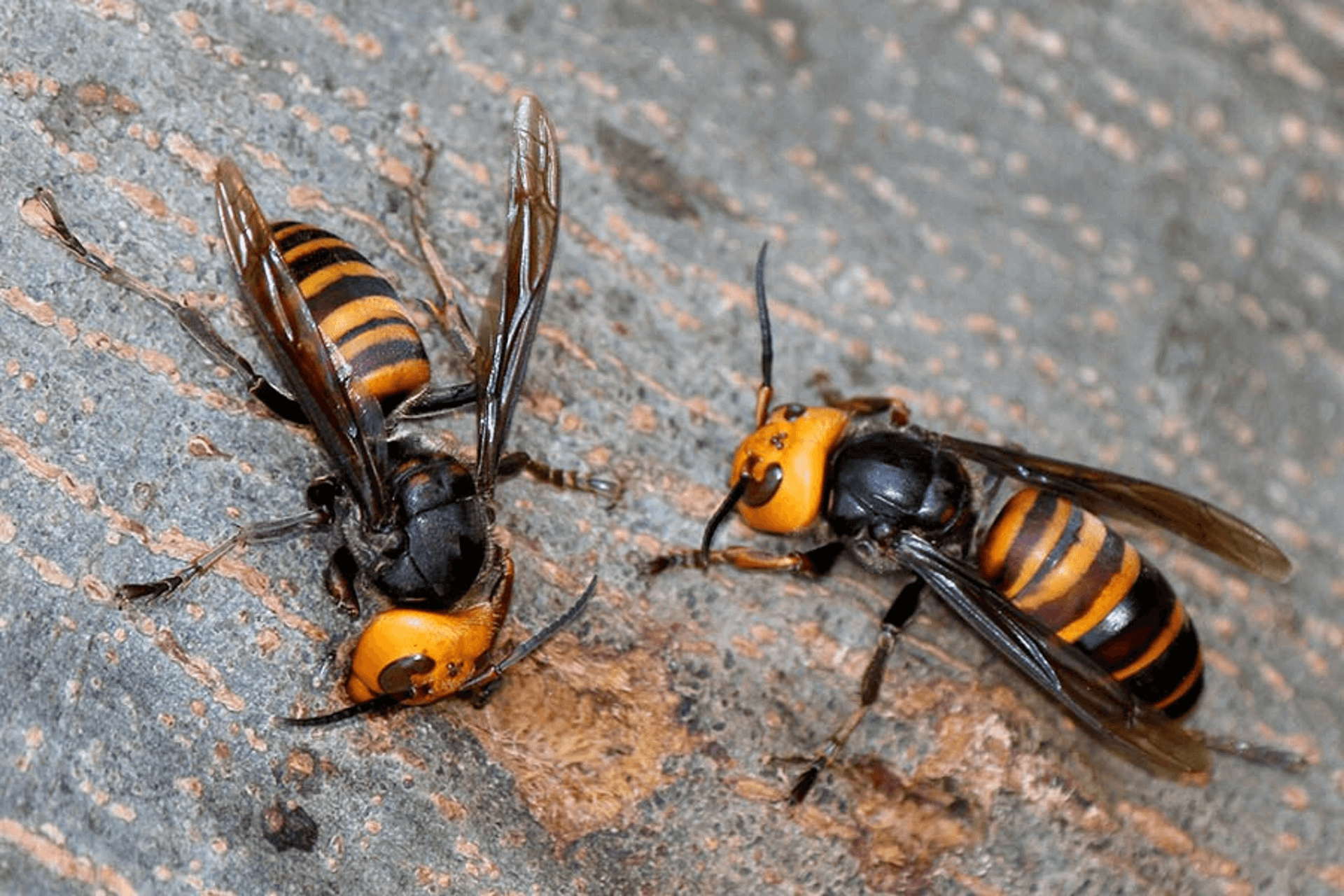
The arrival of the Asian hornet has turned into a major challenge for beekeepers across France. Each year, these invasive predators threaten entire bee colonies, putting not only honey production but also biodiversity at risk. To counter this growing environmental threat, Étienne Martin—a former graphic artist who became an amateur beekeeper in Loire-Atlantique—designed a remarkably straightforward and effective homemade trap. This invention is now attracting attention for its simplicity and real-world results.
Why are Asian hornets such an environmental threat?
The rapid spread of Asian hornets throughout Europe continues to alarm conservationists and all those invested in apiculture. Known for their aggressive hunting habits, just one hornet can kill up to 20 bees daily. Such relentless predation severely reduces bee populations, threatening not only honey harvests but also the critical pollination that sustains healthy ecosystems.
A sharp decline in bee numbers affects far more than a single apiary. Bees play a vital role in agriculture by pollinating crops, wild plants, and flowers. As a result, the threat posed by Asian hornets extends well beyond beehives, impacting food security and the wellbeing of natural environments across the continent.
The story of a French inventor protecting his bees
Étienne Martin never expected to become involved in beekeeping, much less to create an innovative solution for it. After witnessing repeated hornet attacks on his hives, Martin was determined to find a way to keep Asian hornets away without harming other valuable insects.
This determination led to hands-on experimentation in his own backyard. Observing hornet behavior closely, Martin tested various models using recycled materials and untreated wood. The outcome was the Hornet trap’Er: a selective trapping device that combines practicality with genuine protection for bees.
How does Martin’s homemade trap work?
The strength of this homemade trap lies in its simple yet thoughtful design. Built mainly from a mesh cage placed near hive entrances, it stands apart from traditional traps that often capture non-target species. Here, the focus is firmly on selective trapping to protect pollinators.
When an Asian hornet approaches a beehive hoping to snatch a bee, it gets diverted into the specially designed cage. Trapped inside, the hornet struggles until exhaustion sets in—usually within a day—without ever reaching the bees themselves.
Effectiveness proven during field tests
Between August and November 2023, Martin installed several prototypes close to his apiaries. Careful monitoring revealed an impressive total: 570 asian hornets trapped during this period. Importantly, very few bees or harmless insects were caught, confirming both the system’s selectivity and its effectiveness in protecting bees.
News spread swiftly among local beekeepers, who observed fewer hornet attacks in nearby areas. Feedback highlighted the durability of the trap and its ability to withstand unpredictable weather, making it a reliable option for ongoing use.
No commercial ambition—open-source plans for all
Instead of seeking profit, Étienne Martin decided to share his creation freely. He made detailed construction plans open source on his website, allowing anyone to build the trap using common recycled materials and basic tools. This generous gesture perfectly reflects the spirit of solidarity found within the beekeeping community.
The blueprint is especially appealing for amateur apiculturists searching for sustainable solutions who might lack resources for expensive equipment. By democratizing access, Martin’s initiative spreads efficient hornet management practices far and wide.
What sets Hornet trap’Er apart from traditional traps?
Most conventional asian hornet traps rely on sweet baits or liquid attractants. While they may catch hornets, these methods often also ensnare bees, wasps, and butterflies, inadvertently threatening other important species. Environmental advocates warn that such indiscriminate trapping can destabilize insect communities as a whole.
Martin’s design tackles this problem through clever placement and mechanism. By targeting only hornets drawn to hive entrances, the Hornet trap’Er significantly limits collateral damage, offering a more ethical and targeted response to the pest challenge.
Materials and assembly process
The key components include untreated wood, fine wire mesh, screws, and some ingenuity. Constructing the frame requires only basic tools like a saw, drill, and screwdriver. Using recycled items—such as old pallets or fencing—not only lowers costs but also supports sustainability goals.
The structure remains sturdy against wind and rain, allowing for deployment throughout the year. Maintenance is quick and easy: removing trapped hornets takes just minutes, ensuring continued effectiveness during the active season. Illustrated step-by-step instructions help everyone from experienced woodworkers to beginners attempt their first homemade trap.
Bait-free operation for added safety
Unlike many systems, the Hornet trap’Er operates without bait. It leverages hornet behavior rather than chemical attraction, eliminating the need for any recipe for bait. This adds another layer of simplicity and keeps bees and other beneficial insects safe from unintended harm.
Reducing reliance on chemical lures aligns with modern environmental values while producing reliable results. Trials in other regions, including Île-de-France, have shown comparable success, further validating this fully mechanical approach.
Impact on French beekeeping and wider adoption
The open-source philosophy resonates strongly with those passionate about apiculture innovation. Associations of beekeepers and research organizations, such as the Institute for Bee Protection, quickly embraced Martin’s invention and conducted successful trials. Their support has helped make the Hornet trap’Er a reference model for tackling hornet invasions across Europe.
Experts note that broad adoption of similar traps could reduce hornet pressure at a landscape scale, resulting in collective benefits for all. Online communities and forums now share tips for adapting the instructions to local needs, reinforcing Martin’s vision of collaborative defense for bees everywhere.
- Selective trapping protects pollinator health by avoiding harm to non-target insects.
- Easy to make: accessible assembly allows nearly anyone to construct the trap with minimal experience or budget.
- Open-source sharing speeds knowledge transfer and benefits communities beyond a single region.
- No bait needed, ensuring safe operation for surrounding wildlife.
- Proven effectiveness makes it a preferred alternative to costly commercial devices.