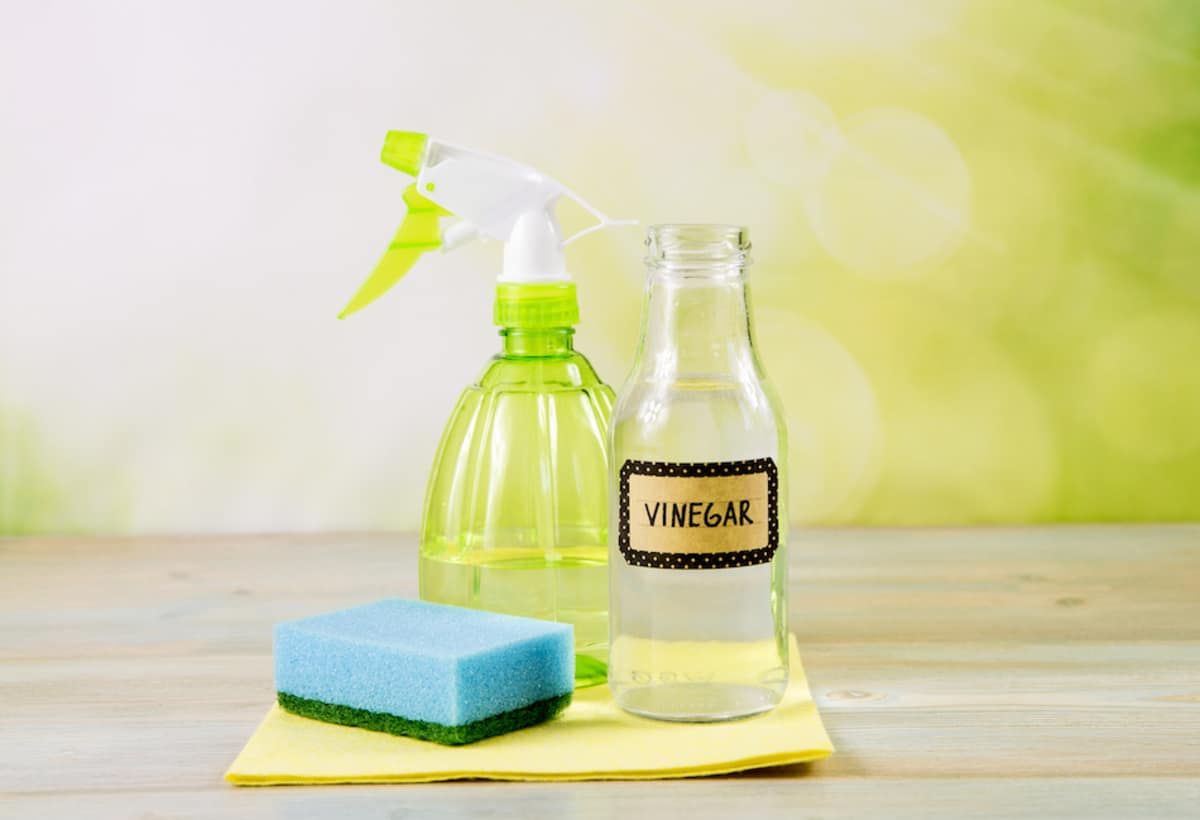
Vinegar enjoys a solid reputation as a natural, affordable cleaner. While it does wonders on glass and plastic, its hidden acidity spells trouble for many delicate surfaces and household essentials. Not every material can handle a splash of this kitchen staple. Understanding what to keep away from vinegar helps safeguard surfaces and prevents silent damage during cleaning routines.
Why vinegar’s acidity can damage certain materials
The main strength of vinegar lies in its acetic acid content, which easily dissolves mineral deposits, grease, and light stains. However, this acidic nature often proves too harsh for many household surfaces and appliances. Regular use can lead to permanent marks, dull finishes, or even breakdowns as some materials react poorly or wear down over time.
It is also important to note that vinegar falls short when it comes to disinfection. Unlike EPA-registered cleaners such as hypochlorous acid, vinegar cannot eliminate most bacteria and viruses effectively. For regular chores, pH-neutral or surface-specific products are usually safer alternatives that maintain both hygiene and the integrity of valued items.
Which surfaces and items should never meet vinegar?
Certain everyday objects and finishes are especially vulnerable to vinegar’s acidity. Recognizing these sensitive spots helps prevent costly mistakes and preserves the appearance and longevity of cherished cookware and fixtures.
Natural stone countertops and stone surfaces
Marble, granite, and limestone countertops bring elegance to kitchens and bathrooms but are highly sensitive to acids like vinegar. Even brief contact can etch and cloud their polished finish, leaving rough patches and permanently dull areas. The protective sealants applied to these surfaces begin to break down almost immediately upon exposure.
This caution extends to any stone surface—from floors to decorative accents. Gentle care, using only dedicated stone cleaners or mild soap with warm water, ensures long-lasting beauty without risking expensive repairs.
Wood furniture, flooring, and waxed surfaces
The lasting shine of wood floors or prized furniture depends on protective coatings and carefully maintained finishes. Vinegar strips away these layers, resulting in faded, streaky, or moisture-prone surfaces. Waxed furniture suffers even more, with its luster quickly vanishing after repeated vinegar cleaning.
On hardwood, laminate, or vinyl flooring, vinegar may seem harmless at first, but over time, it causes cracks in sealants, allowing water or dirt to seep beneath. Mild, pH-balanced cleaners preserve the structure and look of wood far better than acidic solutions ever could.
Kitchen knives and metal cookware
Acidic cleaners like vinegar react with metals surprisingly fast. Though stainless steel appears durable, undiluted vinegar encourages corrosion and tiny pits, especially if blades remain wet after cleaning. Carbon steel knives show rust almost instantly under similar conditions.
Dishwashers and clothes irons
Many online tips suggest using vinegar to fight limescale in dishwashers, yet repeated exposure actually damages rubber seals, tubes, and gaskets. As these components deteriorate, leaks and malfunctions become more likely, making manufacturer-approved cleaners a much wiser choice.
Clothes irons fare no better. Their intricate internal parts and heat-sensitive seals degrade rapidly with vinegar use, leading to clogged steam holes and uneven heating. This reduces the appliance’s lifespan and effectiveness.
Other surprising missteps: electronic screens, grout, and small appliances
Even seemingly safe cleaning habits can cause problems when vinegar meets electronics or textured surfaces. Special coatings, hard-to-reach corners, and daily-use devices all require extra caution.
Electronic screens and touch devices
Modern TVs, smartphones, tablets, and laptops use delicate oleophobic or anti-reflective coatings to minimize fingerprints and glare. Vinegar wears down these films, resulting in permanent haze and reduced visibility. A simple microfiber cloth lightly dampened with water is best for these surfaces.
Touchscreens used in busy spaces risk subtle but lasting harm from frequent vinegar cleaning. Screen-safe cleaners designed specifically for electronics maintain clarity and responsiveness without risk.
Tile grout and other porous surfaces
Grout between tiles might seem tough, but its porosity makes it vulnerable to vinegar’s acidity. Over time, grout erodes, joints widen, and discoloration sets in, sometimes requiring premature reinstallation. Grout-specific products contain balancing agents that protect and brighten joint lines longer.
The same rule applies to any slightly textured gap or seam where vinegar can settle and slowly weaken binding elements. Only approved grout cleaners deliver deep cleaning without damaging structural integrity.
Small appliances and protective coatings
From coffee machines to blenders, many kitchen gadgets have internal components that do not tolerate vinegar. Exposure weakens fragile seals and cracks joints, voiding warranties and causing malfunctions due to improper maintenance.
Finishes designed for heat resistance or stain prevention also break down under acidic attack. Always check manuals and follow recommended cleaning instructions—usually mild soap or specific sprays—for reliable, long-term results.
- Stone surfaces (marble, granite): risk of etching and dulling
- Wood floors and furniture: damaged finishes, dullness, and cracking
- Dishwashers: corroded parts, compromised rubber seals
- Clothes irons: internal corrosion and blockages
- Electronic screens: ruined coatings, poor visibility
- Tile grout: weakened, discolored, or crumbling seams
- Kitchen knives: pitted blades and rapid rust
- Small appliances: shortened lifespan, malfunction from degraded seals
Better chemical alternatives and smart cleaning habits
EPA-registered disinfectants like hypochlorous acid offer powerful germ removal without the risks associated with vinegar. In high-touch areas such as kitchens, these options truly sanitize, while vinegar only masks odors and fails to eliminate microbes.
For ongoing maintenance, choose mild detergent solutions or purpose-made sprays tailored to each material. If in doubt, consult manufacturer instructions to avoid accidental damage and ensure safe, effective cleaning every time.